
Why Autistic PDA Individuals May Reject Support
Pathological Demand Avoidance (PDA) is a profile of Autism characterised by an intense need for autonomy and a heightened sensitivity to demands, which can feel overwhelming or intrusive.
PDA and External Feedback Rejection
For PDA individuals, external feedback, no matter how well-intentioned, can often feel:
Controlling
Intrusive
Restrictive
This unique way of experiencing the world means that even gentle guidance can be met with resistance or avoidance. Understanding why this happens allows us to shift from a compliance-based approach to one that respects autonomy and fosters trust.
In this post, we’ll explore:
Why Autistic PDA individuals may reject external feedback
How to offer support in a way that respects autonomy
The concerns around the term “Pathological Demand Avoidance” and neuroaffirmative alternatives
How I can support you or your organisation in implementing PDA-informed approaches
Why PDA Individuals May Reject External Feedback
The Need for Survival-Driven Autonomy
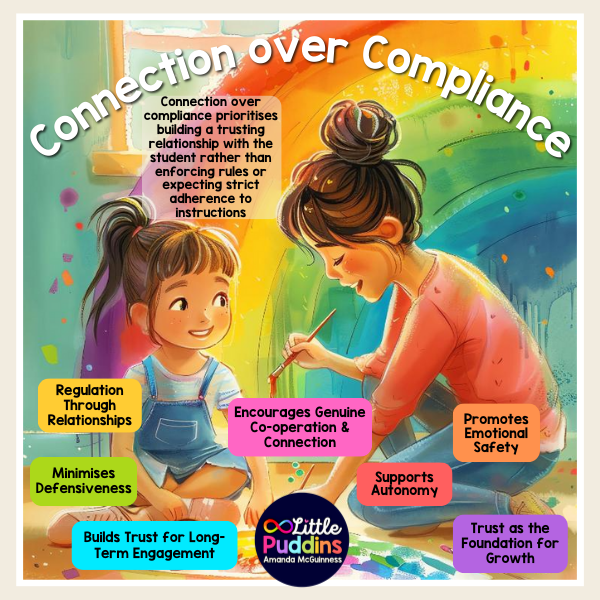
PDA individuals have a deep, intrinsic need for control over their environment. Any perceived attempt to direct their actions, even through subtle guidance, may trigger resistance. This is not about opposition but about preserving their sense of agency.
Sensitivity to Authority & External Influence
Feedback can sometimes feel like an imposed expectation, even when well-meaning. The perception of external control can create an instinctive rejection, as it may feel restrictive rather than supportive.
Emotional Overload & Processing Differences
For many PDA individuals, processing external input while managing internal emotions can feel overwhelming. If feedback is received at a time of heightened stress, it may lead to immediate rejection or shutdown.
Why PDA External Feedback Rejection Occurs
The Power Struggle Perception
When feedback implies authority or correction, it can feel like a power struggle. PDA individuals often instinctively resist being told what to do, even if the feedback is intended to be supportive.
The Loss of Autonomy
Autonomy is not just a preference for PDA individuals, it is a fundamental need. Unsolicited feedback can feel like an infringement on their personal freedom, triggering avoidance or rejection.
Masking & Past Experiences
Many PDA individuals have a history of masking or being pressured to conform to neurotypical expectations. Feedback may bring up past experiences where their autonomy was disregarded, prompting a defensive response.
Demand-Based Language
Even well-meaning feedback can be interpreted as a demand. Statements like:
“You should try this approach…”
“It would be better if you did it this way…”
May result in immediate rejection because of the way they are framed.

How to Offer Feedback Without Rejection
Examples of how to offer feedback without rejection. As always tailor the supports to the individual in a unique neuroaffirmative manner.
1. Prioritise Collaboration Over Correction
Instead of offering directive feedback, engage in collaborative exploration:
“I wonder if this might feel helpful for you?”
“I’m curious, what do you think about this idea?”
2. Offer Feedback as a Choice
Providing choice and control increases the likelihood of engagement:
“You’re the expert on yourself, if you ever want to chat about ideas, I’m here.”
3. Use Indirect & Informational Language
Avoid framing feedback as a directive or expectation. Instead, present information in an open-ended way:
“Some people find X helpful in this situation, but everyone’s different.”
“There’s no pressure, but I came across this and thought you might find it interesting.”
4. Respect Boundaries & Timing
If a PDA individual rejects feedback, let it go without pushing further. Support works best when it is offered without expectation of compliance.
Supporting PDA Individuals with Respect & Autonomy
For Autistic PDA individuals, rejecting feedback is often not about defiance or opposition, it is about protecting their sense of autonomy.
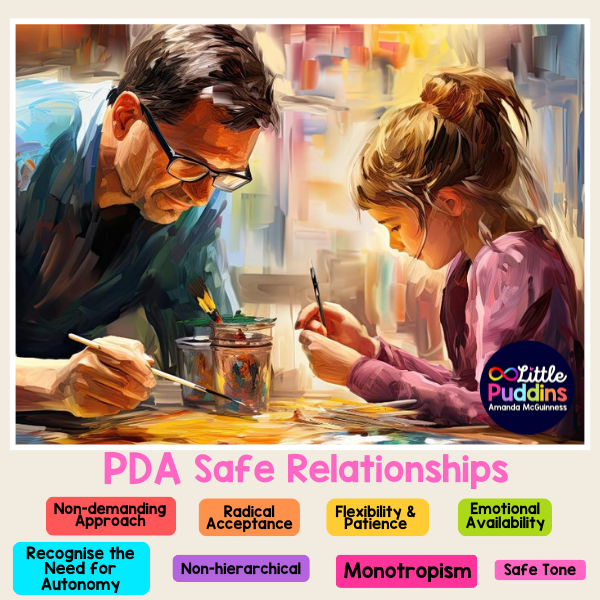
By using low-demand language, prioritising collaboration, and respecting personal agency, we can offer support in ways that feel:
Safe
Empowering
Genuinely helpful
Want to Learn More?
I provide neuroaffirmative PDA-informed training, workshops, and consultancy for families, educators, and professionals.
