
PDA Christmas Support

PDA Family Experiences at Christmas
As an Autistic ADHD and PDA adult, and as a parent to multiple neurodivergent children including two with a PDA profile, I understand Christmas from both lived and relational perspectives. Our home reflects a complex interplay of communication differences, sensory needs, dysphoria, demand avoidance, burnout cycles and deep emotional attunement. The season often highlights the tension between cultural expectations and the genuine needs of our neurodivergent family. Much of what I share in this post comes from years of lived experience, professional knowledge, and the ongoing work of creating environments that protect autonomy, invite connection and honour authenticity.
Christmas has been one of the most demanding times of year for my own children, particularly my PDA children, who experience heightened pressure when routines shift and expectations rise. I write this not as an outside observer, but as someone who has navigated these moments alongside my children, often learning in real time what helps and what harms. Our family has moved through many seasons of trial, reflection and gentle redesign, seeking ways to build holidays that feel safe and sustainable rather than overwhelming.
My hope is that this guide offers reassurance that you are not alone, that your child is not choosing difficulty, and that a meaningful, low pressure Christmas is not only possible but deeply valid.
Why I Share This Perspective on a PDA Christmas
My understanding of PDA and Christmas is shaped by lived experience, parenting experience and professional practice. These perspectives come together to inform how I interpret the pressures that emerge at this time of year and the approaches that tend to support safety and connection.
As a PDA adult, I recognise many of the internal experiences that surface for PDA children during the season. The need for autonomy, the discomfort of performance expectations, the emotional intensity of changing routines and the strain of unpredictable environments are not abstract to me. They are familiar patterns that help me understand what my own children may be moving through.
As a parent to multiple neurodivergent children, including two with a PDA profile, I have learned how often cultural expectations collide with our children’s needs. Supporting them has meant listening closely, releasing assumptions about how Christmas is supposed to look and creating environments where authenticity is valued more than tradition. These experiences continue to shape how our family celebrates in ways that honour our children’s safety and agency.
As a professional, I have seen similar themes across many families. PDA children consistently do best when the adults around them respond with flexibility, curiosity and compassion. The approaches shared here reflect patterns I have witnessed in practice as well as what has been meaningful in my own home.
This post is offered as information sharing rather than instruction. Every PDA child is unique, and what supports one child may look different for another. My hope is that the insights shared here help families reflect on their own context and feel more confident in shaping a Christmas that aligns with their child’s lived experience and sense of safety.

Why Christmas Can Feel So Overwhelming for PDA Children
Many PDA children move through the world with a heightened sensitivity to pressure and perceived demands/expectations. Christmas magnifies these pressures. Every part of the season carries subtle or overt demands. Some are sensory, some are social, some are emotional and some are invisible to others but can be deeply felt by the child.
Common sources of pressure include:
• changes in routine
• disruptions to familiar rhythms
• sensory dysphoria from lights, noise and visual clutter
• pressure to “be excited”
• pressure to join events or gatherings
• pressure to respond socially during gift giving
• pressure to mask discomfort
• pressure created by other people’s expectations of what Christmas should look like
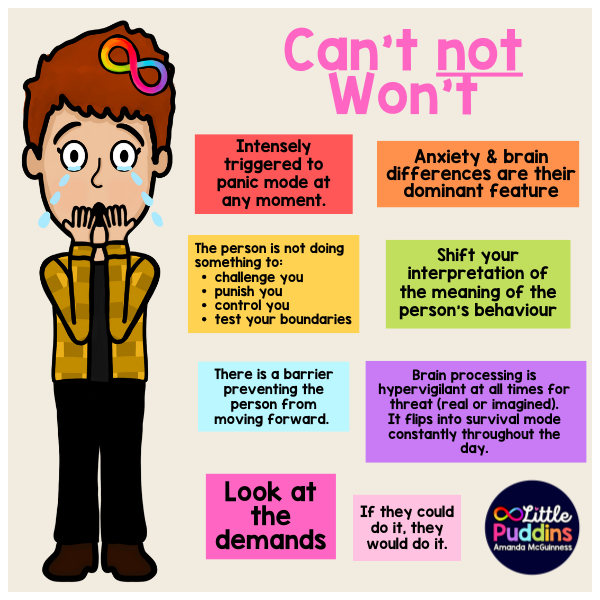
For PDA children, these pressures often register as threat, even when the intentions behind them are innately well meaning. This threat response may look like avoidance, withdrawal, anger, humour, control seeking, shutdown, or appearing strangely calm and detached. These responses are not choices. They are self protective.

The Weight of Expectations
Even unspoken hopes for a “nice family day” can be felt strongly by PDA children. They may sense the emotional atmosphere around them more acutely than adults realise. When they feel responsible for preserving the mood, their internalised feelings of pressure may increase.
Christmas creates a unique emotional landscape where:
• excitement from others becomes pressure
• surprises feel unsafe
• social rituals feel performative
• unpredictability increases anxiety
• adults’ nostalgia or expectations may unintentionally override the child’s needs
Autonomy as the Core of a PDA Inclusive Christmas
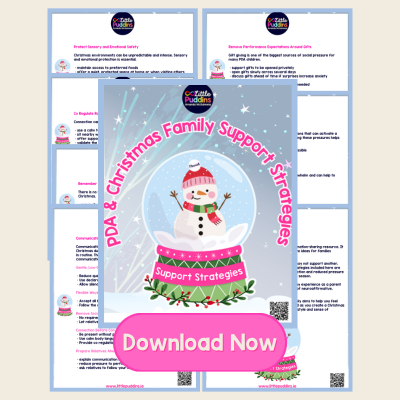
Autonomy is central to how PDA individuals may regulate and remain connected. When children feel they can guide their environment, decide their pace, and choose how they engage, the perceived threat can potentially be reduced.
Autonomy is unique to each individual but may look like:
• choosing their clothes, even if they are not festive
• having access to preferred foods throughout the day
• choosing when to open gifts or opening them privately
• dipping in and out of gatherings
• deciding whether to attend events
• having a safe haven of space available to them, on their terms at all times
• knowing they can leave a situation without consequence
• using their comfort items or devices freely
Autonomy does not remove family connection. It makes connection possible because the child no longer feels trapped and pressured.
Gift Giving Without Performance Pressure
Gift giving is one of the most emotionally charged parts of Christmas. For many PDA children, it can combine sensory overwhelm, social attention, pressure to react in a “socially expected manner”, and fear of disappointing others.
A neuroaffirmative approach may include:
• gifts being opened slowly across several days
• opening gifts privately, away from others/cameras
• telling the child what gifts they will receive if surprises create anxiety
• offering unwrapped gifts to reduce sensory and emotional pressure
• modelling acceptance of whatever reaction the child has
• thanking relatives on the child’s behalf if needed
The goal is not to create a perfect reaction. It is to remove the expectation of performance, and the associated pressure.
Sensory and Environmental Protection
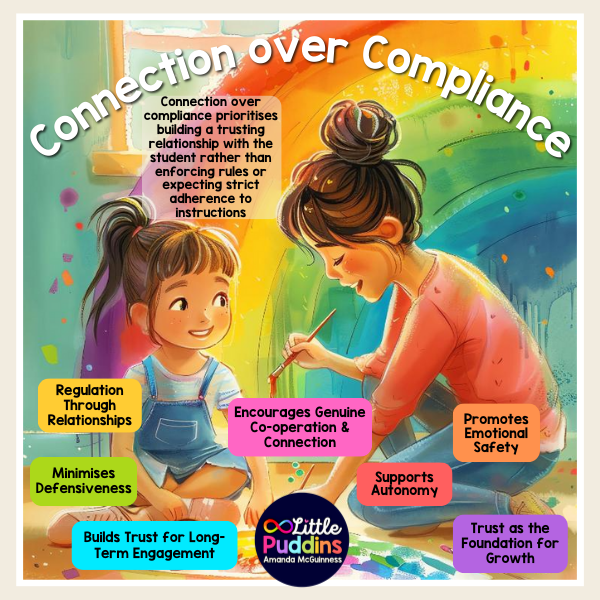
Christmas environments can be overwhelming with noise, lights, smells and busy rooms. Minimising sensory overload supports safety.
Consider:
• reducing decorative clutter
• offering low lighting
• creating predictable safe haven spaces
• using noise reducing headphones
• avoiding crowded gatherings or intense events
• keeping clothing soft and familiar (always following the person’s preferences)
The focus is not on eliminating sensory experiences but reducing unpredictable or uncontrollable ones.

Burnout, Capacity and Emotional Exhaustion
Many PDA children reach December already carrying the accumulated weight of school pressures, social demands and environmental stress. Christmas arrives during a period when their capacity is already fragile.
Ways to protect capacity include:
• reducing schedules in the week before Christmas
• minimising transitions
• allowing slower mornings and unstructured time
• avoiding back to back gatherings
• cancelling events that feel too demanding
• building recovery days before and after activities
Resilience should never be a goal. Burnout can be the unintentional end product when we insist on resilience being a goal for our PDA children. Burnout is a sign that the child has been surviving conditions that were not aligned with their needs.
Creating a Season That Supports Safety and Authenticity
A low pressure Christmas may look very different to cultural traditions, yet it can be deeply meaningful.
Families might choose:
• pyjamas all day
• simplified rituals
• quiet activities
• time spent side by side rather than in large groups
• shared sensory experiences
• short bursts of participation followed by rest
• opting out of events entirely
There is no single right way to celebrate. The best Christmas is the one where the child feels safe.
Supporting Yourself as a Parent
Caring for a PDA child during Christmas involves a great deal of emotional presence, flexibility and attunement. The season can highlight how differently your family may need to move through the world, and at times this can feel isolating or misunderstood, especially when others hold traditional expectations that do not align with your child’s wellbeing.
It can help to keep in mind:
• responding to your child’s needs is an act of care and connection
• the adjustments you make honour your child’s authenticity and protect their sense of safety
• your insight into your child’s experience is valid and grounded in lived understanding
• choosing what supports your family, including leaving early or declining events, is a legitimate and protective decision
• you do not owe explanations for creating environments that help your child feel secure
Designing a quieter, more flexible Christmas is not stepping away from tradition. It is choosing relational safety and honouring the unique ways your family thrives. You can create your own authentic PDA Christmas.
A PDA inclusive Christmas does not need to be filled with activities or traditions. It needs to be built on connection, safety and autonomy. When we reduce pressure and honour authenticity, we create space for genuine joy rather than forced celebration.
Christmas can be gentle. Christmas can be slow. Christmas can be yours.
PDA References
Supporting Autistic PDA Students References:
Christie, P., Duncan, M., Fidler, R. and Healy, Z. (2012). Understanding Pathological Demand Avoidance Syndrome in Children: A Guide for Parents, Teachers and Other Professionals. London: Jessica Kingsley Publishers.
Fidler, R. and Christie, P. (2019). Collaborative Approaches to Learning for Pupils with PDA: Strategies for Education Professionals. London: Jessica Kingsley Publishers.
Truman, C. (2021). The Teacher’s Introduction to Pathological Demand Avoidance: Essential Strategies for the Classroom. London: Jessica Kingsley Publishers.
Fricker, E. (2021). The Family Experience of PDA: An Illustrated Guide to Pathological Demand Avoidance. London: Jessica Kingsley Publishers.
Cat, S. (2018). Pathological Demand Avoidance Explained. London: Jessica Kingsley Publishers.
Eaton, J. (2017). A Guide to Mental Health Issues in Girls and Young Women on the Autism Spectrum: Diagnosis, Intervention and Family Support. London: Jessica Kingsley Publishers.
Newson, E. (2003). Pathological Demand Avoidance Syndrome: A Necessary Distinction within the Pervasive Developmental Disorders. Archives of Disease in Childhood, 88(7), pp. 595–600.
Get in Touch: Contact Amanda
Follow for Insights: Instagram @littlepuddins.ie
