Autism, Puberty and Hygiene Guide
Autism, Puberty and Hygiene: Supporting Autistic Teens
Hygiene is often discussed as a basic life skill, yet during puberty and hygiene transitions, it becomes one of the most complex and emotionally loaded areas for Autistic teenagers and their families. Routines such as showering, washing hair, brushing teeth, managing body odour, or navigating period-related hygiene are not neutral daily tasks. For many Autistic teens, they are physically overwhelming, cognitively demanding, and emotionally unsafe.
Across years of direct consultation with Autistic teens and their families, hygiene has emerged repeatedly as a significant support need during puberty. These challenges are not isolated, and they are not about motivation or refusal. They reflect real differences in sensory processing, executive functioning, interoception, energy capacity, and autonomy.
To respond to this need, a free, neuroaffirmative resource has been developed by Little Puddins to support families and professionals navigating puberty and hygiene in practical, respectful ways.
Why hygiene becomes more difficult during puberty
Puberty brings rapid physical and hormonal changes. Increased sweating, body odour, acne, hair growth, oral changes, and menstruation can significantly intensify sensory experiences. For Autistic teens, these changes often amplify existing sensitivities and regulation challenges.
What was once tolerable in childhood may suddenly feel unbearable. Understanding the reasons behind hygiene difficulty is essential before any meaningful support can be offered.
Sensory processing differences
Hygiene routines involve strong sensory input: running water, temperature changes, echoes in bathrooms, slippery textures, foaming products, and intense smells. During puberty, heightened sensory sensitivity can make these experiences distressing. Strong fragrances, sticky residues, vibrating toothbrushes, or the sensation of wet hair on skin can be enough to trigger shutdown or avoidance.
Executive functioning and task demand
Hygiene is not one task. It involves planning, initiation, sequencing, transitions, and sustained effort. During puberty, when emotional regulation and energy reserves may already be stretched, the executive load of hygiene routines can feel unmanageable.
Interoception and body awareness
Many Autistic teens experience differences in interoception, meaning they may not notice internal signals such as sweating, body odour, or discomfort in the same way others do. Without these cues, hygiene may not feel urgent or necessary from the teen’s perspective, even when adults perceive it differently.
Energy capacity and nervous system load
Autistic teens often expend significant energy navigating school environments, sensory input, social expectations, and emotional regulation. By the end of the day, they may be at capacity. Hygiene routines introduced at this point can feel impossible. Puberty-related hormonal changes can further reduce resilience and recovery time.
Emotional safety and autonomy
Hygiene is deeply personal. For some Autistic teens, these routines are associated with shame, pressure, or loss of bodily autonomy. Neuroaffirmative support during puberty must prioritise dignity, consent, and emotional safety over compliance or appearance-based expectations.
Access to sensory-friendly hygiene products
Many mainstream hygiene products are heavily scented, harsh on skin, noisy, foamy, or uncomfortable in texture. When Autistic teens cannot tolerate available products, avoidance is a protective response. Access to suitable alternatives is often the missing piece in autism, puberty and hygiene support.
A practical, neuroaffirmative approach to supporting hygiene
Supporting Autistic teens through puberty-related hygiene requires a shift towards collaboration.
Helpful principles include:
Validating the teen’s lived experience without judgement
Breaking routines into manageable, predictable steps
Offering sensory-friendly alternatives rather than insisting on one method
Respecting energy levels and flexible timing
Keeping conversations neutral and non-punitive
Prioritising co-regulation before expectation
Supporting autonomy through choice
Progress is not measured by frequency or perfection. It is measured by trust, reduced distress, and felt safety.
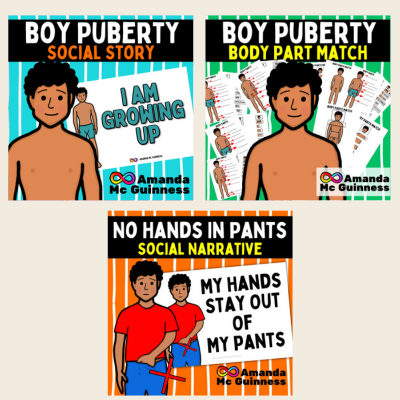
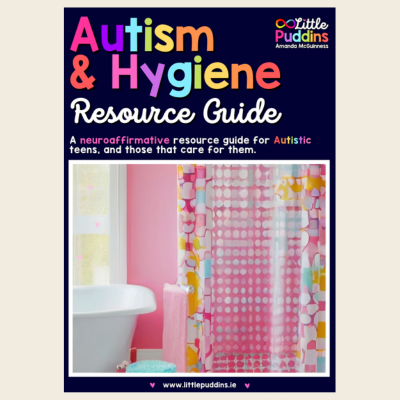
Free Autism & Hygiene Resource Guide
The Autism & Hygiene Resource Guide has been created specifically to support Autistic teens and those who care for them as they navigate the often overwhelming hygiene changes that come with puberty.
Grounded in neuroaffirmative values and inclusive of sensory, communication, and autonomy-based differences, the guide provides clear, accessible information on sensory-friendly hygiene product alternatives that are currently available in Ireland.
The guide includes thoughtfully curated sections on:
Oral hygiene alternatives
Hair hygiene and low-demand hair care options
Body hygiene, including no-rinse and low-stimulation products
Deodorant options suitable for sensitive skin and sensory needs
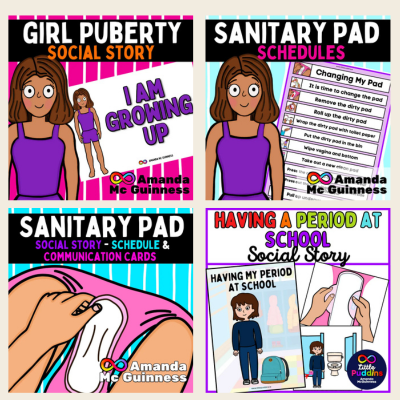
Period products that prioritise comfort, predictability, and dignity
Hair brushes designed to reduce pain and sensory overload
Every section has been developed to honour individual comfort, agency, and sensory profile, recognising that there is no single “right” way to do hygiene.
Whether you are a parent, educator, support professional, or an Autistic teen exploring this resource yourself, the guide is designed to reduce overwhelm and increase accessibility without pressure or expectation.
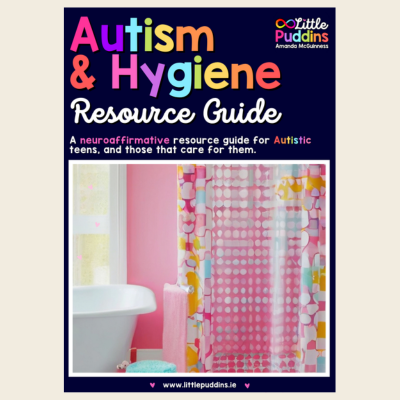
Autism & Hygiene Resource Guide
Hygiene challenges during puberty are not a failure of skill or effort. They are a reflection of environments and expectations that do not yet fit Autistic needs.
When families and professionals adjust the environment, reduce sensory load, and respect autonomy, hygiene becomes more accessible.
The Autism & Hygiene Resource Guide is available as a free download and is intended to support that shift toward understanding, dignity, and neuroaffirmative care.
