
Going to School Checklist

Starting School Checklist: Preparing for a Smooth Transition
(This post was originally written in 2018)
Starting school is a significant milestone, and thorough preparation can make the transition smoother for Autistic children and families alike. This comprehensive checklist has been designed to support Autistic children, as they begin their educational journey.
Checklist for Autism Starting School
1. Clothing and Accessories
Uniforms: Ensure all items are labelled with the child’s name. Include spare items in case of accidents.
Comfortable Footwear: Choose shoes that are easy for the child to manage independently, such as Velcro straps.
School Bag: Select a sturdy bag with enough space for books, lunch, and any additional items.
2. Personal Essentials
Lunch Box and Water Bottle: Opt for easy-to-open containers and bottles to encourage independence.
Personal Care Items: If required, pack items like wipes, tissues, or any medical supplies.
3. Communication Tools
Communication Passport: Include a document outlining the child’s strengths, needs, and preferences to help educators provide appropriate support.
Visual Supports: Provide personalised visual schedules or social stories to prepare the child for the school routine.
4. Sensory Support Items
Sensory Aids: Pack items like ear defenders, fidget tools, or comfort objects, if necessary, to help manage sensory sensitivities.
Calming Strategies: Share preferred sensory regulation strategies with teachers and support staff.
5. Practical Preparations
School Orientation: Attend any available orientation sessions to familiarise the child with the school environment.
Practice Independence Skills: Encourage activities such as opening lunch containers, dressing, or using the toilet independently.
6. Emergency Contacts and Medical Information
Up-to-Date Information: Provide the school with accurate emergency contact details and relevant medical information, such as allergies or medication requirements.
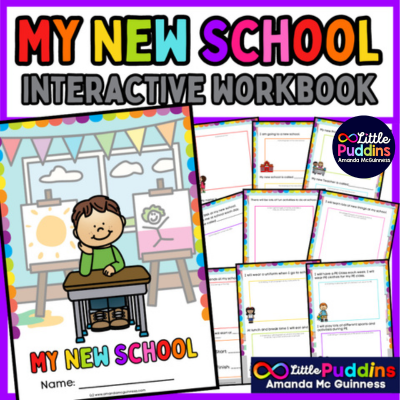
Supporting the Transition
Preparing for school involves more than gathering supplies, it includes equipping the child with tools and strategies to feel confident and secure in their new environment. By sharing essential information and fostering collaboration with the school, families can help ensure a positive and inclusive start to the academic year.
What is a Transition?
A transition refers to a change or disruption in an established, predictable pattern, activity, routine, or environment that necessitates adaptation.
When transitions are not effectively managed, they can result in increased anxiety, emotional distress, and, in some cases, significant nervous system responses such as meltdowns. Proper preparation and support are essential to ensure smooth and positive transitions for individuals requiring additional support.
What are Transition Strategies?
Transition strategies are structured approaches designed to support individuals in navigating changes in routine, activity, or environment. These strategies aim to:
Reduce Anxiety: Minimising stress and promoting a sense of calm during periods of change.
Enhance Predictability: Helping to make transitions more predictable and manageable by providing clear guidance and structure.
Promote Safety and Stability: Supporting Autistic individuals by creating a secure and stable framework during transitions.
Below are several effective Transition to School strategies that have been successfully implemented to support Autistic individuals in adapting to new environments and routines.
Using a Visual Calendar for Transition Support
A visual calendar is an effective tool for providing clarity and structure during the summer months, particularly for school-age children. This approach helps establish a concrete understanding of when school concludes and when it will resume, offering a clear sense of time and routine.
Incorporating the calendar into a daily routine encourages consistency and engagement. For example, each morning, the child can place the corresponding visual representation on the appropriate date, reinforcing the concept of time and upcoming events.
The downloadable Visual Monthly Calendar can also be customised to create a Weekly Visual Calendar, specifically designed to differentiate between “School Days” and “Non-School Days.” Simply utilise the School/No School images and attach them to an existing calendar to provide a clear visual representation of the schedule.
This strategy is particularly beneficial for supporting predictability and reducing anxiety during transitional periods.
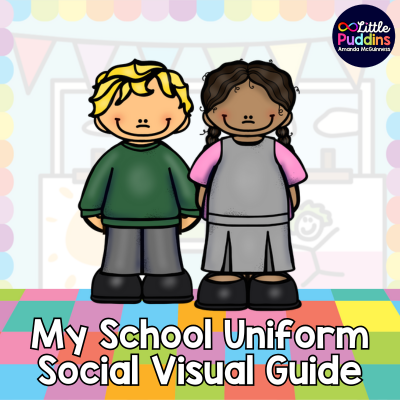
Social Visual Guides
A Social Visual Guide is a structured narrative designed to explain what is expected to happen in a specific situation, written from the perspective of the Autistic individual. Social Stories should serve as a supportive tool to promote Autistic autonomy, agency, and self-advocacy and not as a means of enforcing compliance.
When creating a Social Visual Guide, it is essential to use language that aligns with the individual’s communication preferences and comprehension abilities. This ensures that the story is accessible, meaningful, and respectful of their needs.
Morning and Evening Schedules
A Visual Schedule is an effective tool for structuring a child’s day, providing a clear and concise outline of activities in an accessible format. This approach is beneficial for all children, including those who are Autistic, as it enhances understanding and promotes a sense of predictability.
Visual schedules offer a concrete representation of the day’s events, allowing children to anticipate what will happen and in what order. By providing this clarity, visual schedules can reduce anxiety and foster a sense of security, particularly for those who may feel overwhelmed by uncertainty or changes in routine.
Implementing a morning and evening schedule helps create a consistent framework, enabling children to navigate their day with greater confidence and ease.
Preparing for School: Familiarisation and Practical Tips
Visiting the School
Familiarising your child with their school environment is a crucial step in easing the transition to starting or returning to school. Consider the following strategies:
Drive-By Visits: Take short trips to drive past the school, stopping briefly to point out the building and surroundings to your child.
On-Site Visits: With the school’s permission, walk around the grounds to help your child become familiar with the environment. Visiting key areas such as entrances, classrooms, and other facilities can make the experience less overwhelming.
Playground Familiarity: If the school has a playground, spend time there. This non-threatening environment can help your child associate positive feelings with the school.
The goal of these visits is to build familiarity and comfort with the school setting, reducing anxiety and promoting a sense of confidence.
Meeting Teachers and Exploring Classrooms
Before the school year begins, arrange for your child to meet their new teacher and visit their classroom. This introduction can help the child become accustomed to their teacher and learning space, fostering a smoother transition.
Using Visual Supports
Consider taking photos of key locations during your visits, such as classrooms, hallways, and play areas. These images can be incorporated into a Social Story or Visual Schedule to prepare your child for the new routine and environment.
Preparing School Clothes and Shoes
In the weeks leading up to the start of school, ensure your child has an opportunity to wear their uniform and school shoes. This can help them adjust to the textures and fit of the clothing, particularly if they experience sensory sensitivities.
For children who find specific clothing materials intolerable due to sensory differences, communicate with the school to request reasonable accommodations. Many schools are open to working with families to ensure children’s sensory needs are met effectively.
By combining familiarisation visits, practical preparation, and open communication with the school, you can help create a more positive and seamless transition for your child.

Communication Journal
A Communication Journal is a vital tool for maintaining effective communication between home and school. It facilitates a strong partnership between parents and teachers, ensuring both parties are well-informed about the child’s experiences and needs.
Key benefits of using a Communication Journal include:
Enhancing Collaboration: Promotes a strong and positive parent-teacher relationship by providing a consistent channel for sharing updates and insights.
Daily Insights: Allows both parents and teachers to stay informed about how the child’s day at school or evening at home has been, fostering continuity of care and support.
Sharing Critical Information: Serves as an effective way to communicate any significant developments or changes outside the usual routine, ensuring that both home and school are aligned in their approach.
A well-maintained Communication Journal helps create a cohesive support system for the child, fostering better understanding and collaboration between all involved.
Free Resource: School Checklist
I trust this post has been informative and helpful. You can access your FREE School Checklist Download [HERE].
Starting or returning to school can be a period of adjustment, and it is natural for the first few weeks to present challenges as children adapt to new routines and environments. Patience, preparation, and consistent support are key during this transition phase.
Your feedback is always appreciated. If you find the School Checklist beneficial or wish to share how your child is settling into school this year, please feel free to get in touch. We value your insights as they help us continue to support families effectively.
By planning ahead and utilising resources like the School Checklist, you can help create a smoother, more positive experience for your child.
