
Going to Secondary School Checklist

Starting Secondary School Checklist: Preparing for a Smooth Transition
(This post was originally written in 2018)
Transitioning to secondary school can be a significant change for Autistic children, presenting both challenges and opportunities. Secondary school introduces new routines, environments, and social dynamics, which can feel overwhelming without adequate preparation and support. With the right strategies in place, families and schools can work together to ensure a smoother and more successful transition.
In this post I provide a FREE Autistic Children Transitioning to Secondary School Checklist.
Challenges of Transitioning to Secondary School
Autistic children may encounter several challenges when moving to secondary school, including:
Adjusting to a Larger Environment: Secondary schools are often larger, with more classrooms, hallways, and staff to navigate.
Complex Schedules: Switching between subjects, classrooms, and teachers can be difficult to manage without clear guidance.
Social Expectations: The social landscape in secondary school is more complex, increasing social pressure to build and maintain peer relationships.
Sensory Differences: The heightened noise, lighting, and crowded spaces in a secondary school can lead to sensory overwhelm.
Increased Independence: Secondary school often expects students to take on more responsibility, which may require additional support for Autistic children.

Strategies to Support a Successful Transition
Plan Ahead:
Collaborate with the school to create a transition plan tailored to the child’s specific needs.
Arrange visits to the school to familiarise the child with the layout, classrooms, and key staff members.
Use Visual Supports:
Provide visual schedules, maps, and timetables to help the child navigate their day with confidence.
Highlight key locations such as classrooms, restrooms, and quiet areas on the school map.
Build Routines:
Establish consistent morning and evening routines to create stability.
Practice aspects of the new routine, such as packing a school bag or travelling to school.
Encourage Open Communication:
Foster open lines of communication between the school, the child, and the family to address concerns as they arise.
Use communication tools such as daily journals or check-ins with teachers.
Support Social Integration:
Facilitate opportunities for the child to meet peers or join extracurricular activities that align with their interests.
Provide guidance on social expectations and strategies for navigating social interactions.
Create Sensory-Friendly Spaces:
Collaborate with the school to identify or create quiet areas where the child can regulate if needed.
Consider noise-reducing tools such as ear defenders to mitigate sensory overload.
The Importance of Collaboration
Transitioning to secondary school is most effective when families, schools, and the child work together. Teachers and staff should be aware of the child’s strengths, needs, and any accommodations required, ensuring a supportive and inclusive environment.
Autistic Children Transitioning to Secondary School Checklist
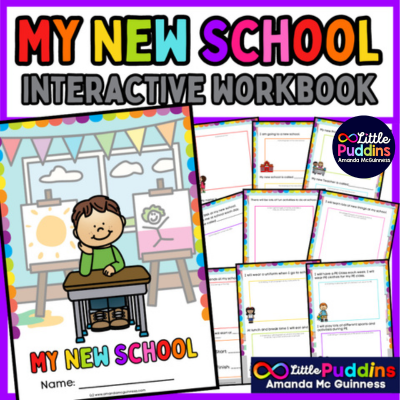
Download your free Autistic Children Transitioning to Secondary School Checklist and support your child with this life transition.
