
Autistic Meltdowns
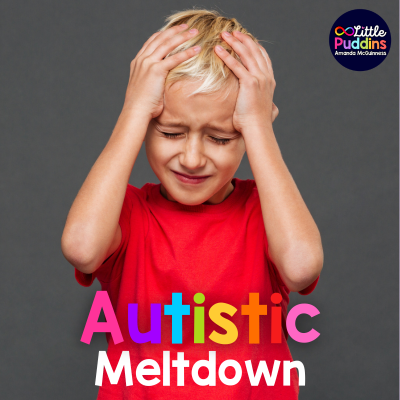
Understanding, Recognising, and Supporting
Autistic meltdowns are a natural response to overwhelming situations. This guide explores the causes, warning signs, and practical strategies to provide support in a compassionate and neuroaffirmative way.
What Are Autistic Meltdowns?
An Autistic meltdown is an involuntary response to sensory, cognitive, or emotional overload. Unlike tantrums, Autistic meltdowns are not intentional and cannot be controlled. They represent the brain’s response to extreme distress and overwhelm.
Signs of an Autistic Meltdown
Meltdowns can vary greatly from person to person. Some common signs include:
Shedding tears or raising one’s voice
Physical gestures such as pacing or clenching fists
Retreating into oneself or zoning out
Eloping and/or running away
Intense stimming that is not bringing Autistic joy to the person
Physical reactions, such as hitting or throwing items
Harming self, others or the environment
Meltdowns can last anywhere from a few minutes to over an hour. Even after the initial trigger is addressed, it often takes additional time for the individual to regulate their emotions and recover. It can take a significant amount of time post meltdown for the Autistic person to recover and they continue to process what occurred for a time afterwards.
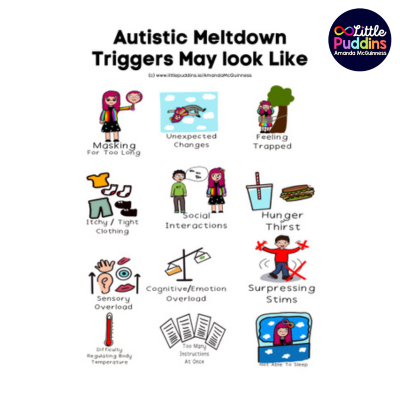
What Triggers an Autistic Meltdown?
Autistic meltdowns can be triggered by a wide range of factors. These may include sensory, cognitive, emotional, or environmental stressors. Common triggers include:
Sensory Triggers
Sensory input can overwhelm the brain, leading to dysregulation. It is different for each individual what they may find overwhelming. Examples of sensory triggers include:
Auditory: Persistent noise, loud environments, or overlapping voices.
Tactile: Uncomfortable clothing, unwelcome touch, or sensory sensitivities.
Visual: Bright lights, crowded spaces, or chaotic patterns.
Olfactory: Strong smells like perfumes, food, or cleaning products.
Gustatory: Intense flavours in food, drinks, or medicines.
Motion: Excessive or abrupt movement, such as fast travel or vigorous exercises.
Cognitive Triggers
Cognitive overload occurs when the brain is processing too much information at once. Triggers may include:
Anxiety or worry about upcoming events.
Situations with multiple conversations or competing stimuli.
Information presented in a fast or complex manner.
Other Triggers
Additional factors that might lead to Autism meltdowns include:
Emotional stress or rejection sensitivity
Unmet communication needs or challenges
Disruptions to routines or lack of structure
Fatigue or lack of rest
Physical discomfort
Life transitions (e.g., moving house or changing jobs)
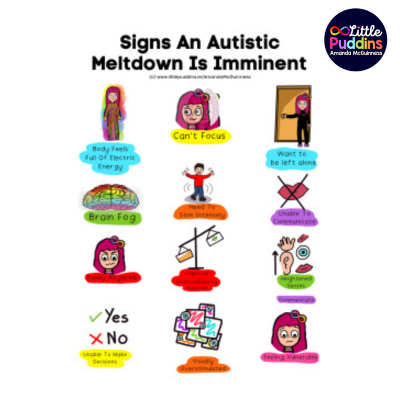
Recognising the Warning Signs
Some individuals may show early indicators that they are becoming overwhelmed, which can help caregivers or supporters provide proactive assistance or create a more supportive environment. These indicators may include:
Increased movement or self-soothing actions, such as tapping, rocking, or pacing
A preference to disengage from social interaction
Heightened responses to sensory input, such as sounds, lights, or textures
A preference to step away from activities they usually enjoy
More frequent or intense use of repetitive motions or routines
It’s important to note that not everyone will display noticeable early indicators before an Autistic meltdown. For some, overwhelm may escalate quickly and without obvious signs.
How to Support During an Autistic Meltdown
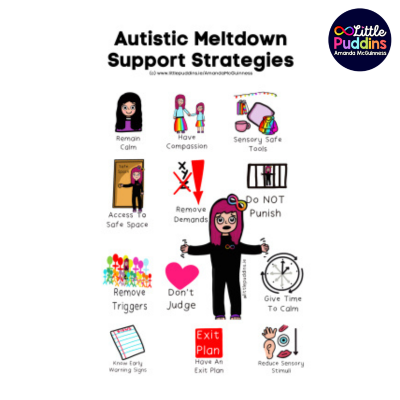
Providing effective and compassionate support during an Autistic meltdown can help reduce distress and create a safer, more supportive environment. Here are detailed strategies to consider:
1. Stay Calm and Grounded
Why It’s Important: Individuals experiencing a meltdown often mirror the energy around them. Staying calm can help de-escalate the situation.
How to Do It:
Avoid showing frustration, panic, or impatience, as this can increase their distress.
Practice slow breathing to model calm behaviour, which may indirectly help the individual regulate.
Share your calm – your nervous system can support the individual’s overwhelmed nervous system.
2. Reduce Stimulation
Why It’s Important: Overwhelming sensory input can intensify a meltdown. Creating a quieter and more predictable environment helps minimise additional triggers.
How to Do It:
Move to a low-stimulation area – find out ahead of time what the person’s preferences are regarding low stimulation and have those ready.
Minimise noise by turning off music, reducing conversation, or offering noise-cancelling headphones.
Avoid physical contact unless the individual indicates it is comforting or necessary.
Remove or reduce overwhelming stimuli, find out ahead of time what the person’s preferences.
3. Offer Sensory and Comfort Tools
Why It’s Important: Sensory tools can provide a grounding or calming effect during periods of distress.
How to Do It:
Make available noise-cancelling headphones, weighted blankets, fidget toys, or soft fabrics for tactile comfort.
If the person has preferred calming tools or objects (e.g., a favourite blanket or toy), make them accessible.
Provide hydration or a safe snack if they are open to it, as hunger or thirst may exacerbate dysregulation.
4. Respect Individual Needs and Boundaries
Why It’s Important: Each person experiences meltdowns differently. Respecting their preferences fosters trust and prevents additional distress.
How to Do It:
Avoid overwhelming them with questions or instructions during the meltdown.
Allow them to communicate in their preferred way, whether through speech, gestures, or AAC (Augmentative and Alternative Communication) devices.
Respect their need for space, and remain close by if they need reassurance.
5. Maintain Safety Without Escalating Distress
Why It’s Important: Meltdowns may involve physical actions that pose risks, such as hitting or throwing objects. Ensuring safety while avoiding escalation is essential.
How to Do It:
Remove hazardous items from the immediate area to reduce risk of harm.
Position yourself in a way that allows you to provide assistance while respecting their boundaries.
If others are present, politely ask them to give space to reduce sensory input and stress.
6. Provide Time for Recovery
Why It’s Important: Meltdowns often leave the individual feeling drained, and recovery is an essential part of the process.
How to Do It:
Give them as much time as they need to calm and regain their sense of control.
Avoid pressuring them to explain or revisit the event immediately after it has occurred.
Create a calming environment where they feel safe to rest or process their emotions.
Additional Tips
Be Proactive: If you notice early signs of a meltdown, address triggers early by offering breaks, sensory tools, or alternative options.
Communicate Clearly: Use simple, direct language. Do not communicate with the Autistic person during the meltdown if this heightens their distress.
Follow Up: After the meltdown, check in when the individual is ready. Offer support and validate their feelings without assigning blame.
Creating a Supportive Environment for Autistic Meltdowns
Autistic meltdowns are a natural response to feeling overwhelmed and are not within an individual’s control. Providing compassionate and tailored support during these moments can significantly help reduce distress and foster a sense of safety. By recognising early indicators, reducing sensory triggers, and offering tools and understanding, you can create an environment where individuals feel valued and respected.
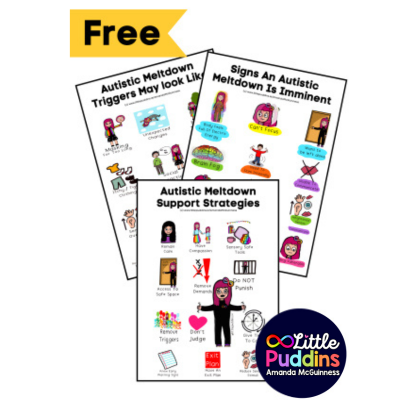
To support you in this process, we’ve created Free Meltdown Informational Posters for you designed to help prevent and manage Autistic meltdowns. You can download your free Autistic Meltdown resource by clicking here.
Use Visual Supports to Reduce Cognitive Load
During burnout, processing spoken language can be difficult. Visual supports/AAC can bridge the gap between intention and understanding.
Supports to Use:
Visual communication tools like AAC
Visual schedules with ‘rest’ and ‘break’ symbols
First/Then boards with only one low-demand step
“I feel…” communication cards when verbal expression is hard
Visual Tip: Collaborate with the child to identify what is most meaningful to them.
Support the Nervous System Daily
Burnout is not a one-time event, it’s a systemic response to accumulative overload. Ongoing nervous system support helps prevent recurrence. Check in with your OT to seek advice on what best works for your child. Below is a list of some strategies, but ultimately you need to follow the guidance of your child’s therapist and finding out what works best for your child.
Try:
Gentle, rhythmic movement (rocking, bouncing, swings)
Deep pressure (weighted blankets, squishes)
Nature walks, water play, or soft music
Time with a safe person with no expectations
Consider: Daily “Energy Level Check-In” visual to help children explore their energy levels and emotional state.
Collaborate With Your Child
Even during burnout, Autistic children often have insight into what they need, though they may not have the words for it. Use low-demand, visual-based collaboration:
Create a “My Burnout Recovery Toolkit” together with visuals and practical tools
Build routines around regulation first, then play or activities
Neuroaffirmative Insight: Autistic children know their bodies, trust their cues, even if they differ from yours.
Support For You As A Parent or Educator
Burnout affects the whole family or classroom dynamic. It’s okay to feel overwhelmed too. Your presence, not perfection, is what supports the child best.
Helpful practices:
Create your own regulation plan
Lower expectations around non-essential tasks
Seek community with other neuroaffirmative families or professionals
Healing Happens in Safety, Not in Speed
Burnout recovery isn’t linear. There may be good days, and harder ones. What matters most is the consistent message of safety, respect, and unconditional support. You need to be their anchor in the storm.
Disclaimer
The information shared in this blog post is intended for general informational purposes only and does not constitute personalised support, therapeutic advice, or medical guidance. Every Autistic child is unique, and their experience of burnout, and recovery, will vary. Support strategies should always be individualised in collaboration with the child, their trusted caregivers, and where relevant, qualified professionals.
Neuroaffirmative practice honours Autistic identity, autonomy, and needs, there is no one-size-fits-all approach. Always prioritise safety, consent, and respectful partnership when supporting an Autistic child through burnout.

