
Autistic Burnout
Supporting Autistic Children Through Burnout
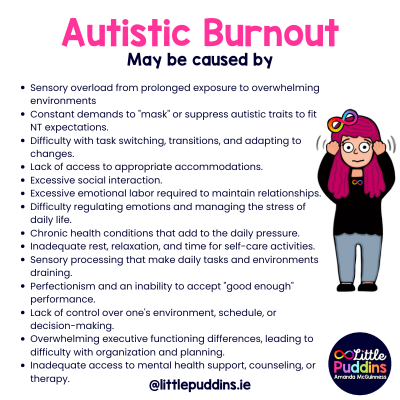
When an Autistic child is experiencing burnout, the world can feel overwhelming, unsafe, and exhausting. Burnout is not about being tired, it can be caused by sustained stress, sensory overload, social exhaustion, and unmet needs.
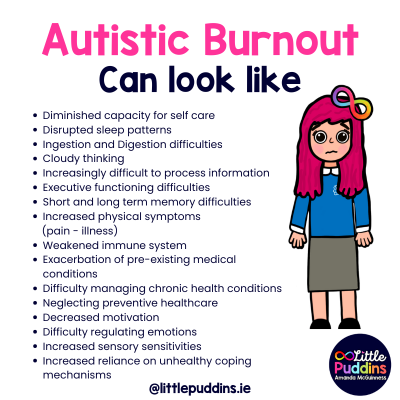
Recognising the Signs of Burnout in Children
While this post doesn’t redefine burnout, it’s important to recognise how it can present in children:
Withdrawal from favourite activities
Increased meltdowns or shutdowns
Difficulty with communication or processing
Refusal or inability to engage in daily routines
Sleep changes, fatigue, or illness
Regressive behaviours or increased dependency
Burnout is not a behavioural problem, it’s a accumulative overwhelm, that requires compassionate, structured support.
Create a Safe and Low-Demand Environment
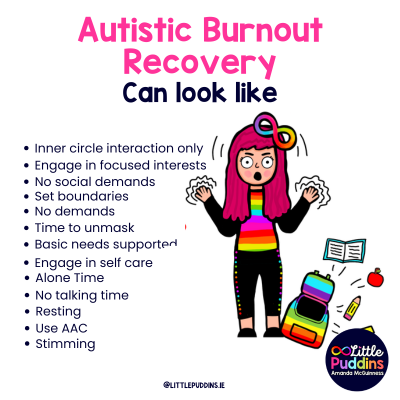
Supporting Autistic children through burnout begins by reducing all non-essential demands. This doesn’t mean removing all structure, it means creating a safe, low-pressure atmosphere that allows recovery.
Strategies:
Work with school to discuss where demands can be lowered (if possible)
Pause social expectations, including family gatherings or outings
Provide quiet, sensory-friendly spaces at home
Use visual supports to create predictability without pressure
Ask the Autistic child what would help them feel safe, understood and able to rest
Neuroaffirmative Tip: Focus on co-regulation rather than compliance. Be the calm, not the consequence.
Prioritise Connection Over Correction
Children in burnout may seem defiant, avoidant, or “not themselves.” This is their threat response’s way of protecting them. Trying to correct “behaviours” will often escalate distress.
Instead:
Focus on co-regulation
Offer preferred sensory input (e.g., weighted blankets, fidget tools)
Acknowledge what they’re feeling, even if they can’t say it
Offer reassurances and letting them know you understand they need time to rest etc and that they can come to you if they would like to for support
Language Matters: “You’re safe now. You don’t have to do anything right now.”
Rebuild Predictability and Autonomy
Burnout often stems from a loss of control over daily life. Slowly rebuild trust through autonomy-supportive routines.
Ideas:
Offer controlled choices (“Would you like quiet time here or in your room?”)
Use a visual schedule that includes rest, play, and no-pressure time
Build in “Do Nothing Time” and let them choose their own sensory regulation strategies
Important: This is not the time for pushing social or academic goals. Think: recovery, not resilience.
Use Visual Supports to Reduce Cognitive Load
During burnout, processing spoken language can be difficult. Visual supports/AAC can bridge the gap between intention and understanding.
Supports to Use:
Visual communication tools like AAC
Visual schedules with ‘rest’ and ‘break’ symbols
First/Then boards with only one low-demand step
“I feel…” communication cards when verbal expression is hard
Visual Tip: Collaborate with the child to identify what is most meaningful to them.
Support the Nervous System Daily
Burnout is not a one-time event, it’s a systemic response to accumulative overload. Ongoing nervous system support helps prevent recurrence. Check in with your OT to seek advice on what best works for your child. Below is a list of some strategies, but ultimately you need to follow the guidance of your child’s therapist and finding out what works best for your child.
Try:
Gentle, rhythmic movement (rocking, bouncing, swings)
Deep pressure (weighted blankets, squishes)
Nature walks, water play, or soft music
Time with a safe person with no expectations
Consider: Daily “Energy Level Check-In” visual to help children explore their energy levels and emotional state.
Collaborate With Your Child
Even during burnout, Autistic children often have insight into what they need, though they may not have the words for it. Use low-demand, visual-based collaboration:
Create a “My Burnout Recovery Toolkit” together with visuals and practical tools
Build routines around regulation first, then play or activities
Neuroaffirmative Insight: Autistic children know their bodies, trust their cues, even if they differ from yours.
Support For You As A Parent or Educator
Burnout affects the whole family or classroom dynamic. It’s okay to feel overwhelmed too. Your presence, not perfection, is what supports the child best.
Helpful practices:
Create your own regulation plan
Lower expectations around non-essential tasks
Seek community with other neuroaffirmative families or professionals
Healing Happens in Safety, Not in Speed
Burnout recovery isn’t linear. There may be good days, and harder ones. What matters most is the consistent message of safety, respect, and unconditional support. You need to be their anchor in the storm.
Disclaimer
The information shared in this blog post is intended for general informational purposes only and does not constitute personalised support, therapeutic advice, or medical guidance. Every Autistic child is unique, and their experience of burnout, and recovery, will vary. Support strategies should always be individualised in collaboration with the child, their trusted caregivers, and where relevant, qualified professionals.
Neuroaffirmative practice honours Autistic identity, autonomy, and needs, there is no one-size-fits-all approach. Always prioritise safety, consent, and respectful partnership when supporting an Autistic child through burnout.
