
Child Autism Diagnosis

Learning Your Child is Autistic
The day your child receives an Autism diagnosis can bring a range of emotions. For some parents, it feels like clarity. For others, it brings questions or uncertainty simply because our society has not yet created widespread, accurate conversations about neurodivergence.
Whatever you feel is valid. What remains constant is this. Your child is the same extraordinary person they were yesterday. The diagnosis does not redefine them. It gives language and clarity to who they have always been.
A diagnosis provides a framework for understanding your child’s communication, sensory experiences and ways of relating to the world. It supports the adults in their life to respond more effectively. It can also connect your family to communities, knowledge and supports that recognise Autistic identity as valuable and meaningful.
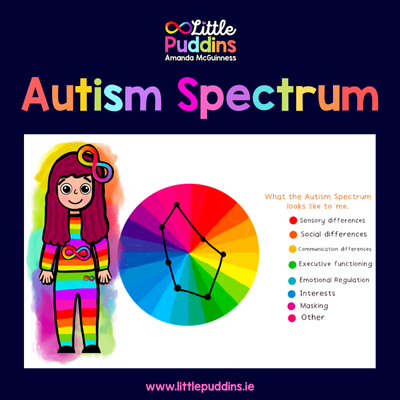
Honouring Your Emotions Without Framing Autism as a Loss
Parents can experience many emotions at this time of diagnosis. Relief. Recognition. Uncertainty. Hope. These emotions often reflect the transition into a deeper understanding of your child. Much of the discomfort parents encounter following their reading of a report that formally identifies their child as Autistic, stems from outdated societal narratives rather than the reality of raising an Autistic child.
If you notice sadness, confusion or worry, it is important to remember that these feelings are shaped by what you have been taught to expect, not by who your child is. As you learn from Autistic voices and neuroaffirmative perspectives, the landscape becomes clearer, kinder and far more accurate.
Your emotions are real. They deserve space. But they do not define your child’s future, their strengths or their potential.
Your Child Has Always Lived Autistically
Your child has always felt, processed and engaged with the world through their Autistic neurology. They have already been expressing their needs, preferences and communication in Autistic ways. The diagnosis simply gives adults the tools and language to understand these expressions more fully.
Centring the child’s perspective reframes the day of diagnosis as a moment where the world begins to align more closely with the way they already experience life.
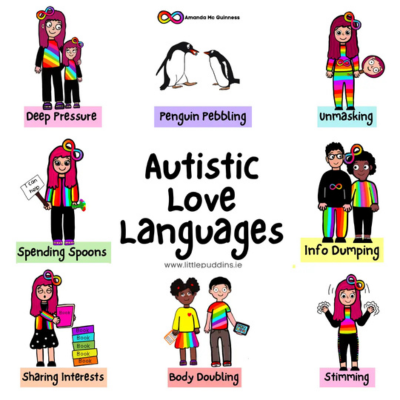
Moving From Uncertainty to Understanding
Many parents describe their first encounters with Autism information as overwhelming because much of what is publicly available still reflects older, deficit-based models. These descriptions do not represent Autistic culture, Autistic strengths or Autistic lived experience. When you turn instead to Autistic adults, scholars and neuroaffirmative Autistic professionals, you encounter a far more contextualised and respectful understanding.
You will learn that Autistic children:
• connect with deep sincerity and intention
• communicate with authenticity, whether through speech, AAC, gestures, movement or behaviour
• engage in focused interests that enrich their learning and well-being
• experience sensory worlds that are vivid, detailed and meaningful
• thrive when supported with clarity, predictability and autonomy
• demonstrate profound creativity in how they interpret and interact with their environment
These insights show Autism not as something to fear but as a natural variation of human experience with its own patterns of strength, expression and meaning.
Supporting Your Child After Diagnosis
Learn from Autistic voices
Autistic adults offer essential insight into Autistic childhood, development and identity. Their perspectives are the most reliable grounding for understanding your child.Respond to sensory needs with respect
Sensory differences are central to Autistic experience. Supporting comfort through environment, lighting, movement, sound and tactile considerations can transform daily life.Honour communication in all forms
Autistic communication is diverse. Spoken language, AAC, typing, gesture or behaviour all represent meaningful self-expression.Practice strengths-based interpretation
Notice what your child enjoys, seeks, avoids or repeats. These patterns hold important information about their well-being and how they navigate the world.Affirm Autistic identity
Speak about Autism with respect and acceptance. Protect your child from narratives that depict Autism as lesser. Their identity is valid and should be celebrated.
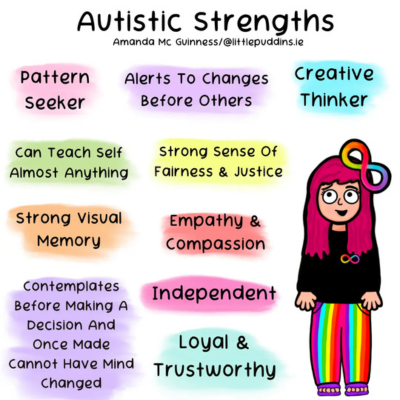
A Diagnosis as a Framework for Understanding and Belonging
An Autism diagnosis is not a moment of loss. It is a moment of recognition. It gives you the language to advocate effectively, the knowledge to support your child with insight, and the confidence to understand their needs through an affirming lens.
Parents often describe that, over time, this becomes one of the most meaningful stages in their parenting journey. They begin to see their child’s world with new clarity. They grow in appreciation of authenticity, difference and depth. They learn to slow down, observe, and follow their child’s lead. They see their child flourish when understood rather than misinterpreted.
You and Your Child Are Not Alone
There is a strong and expansive Autistic community, along with neuroaffirmative practitioners, educators and advocates who walk this path alongside families. You will find belonging, insight and shared experience here.
The day of an Autism diagnosis is not an ending. It is a beginning. A day where your child’s identity is acknowledged. A day where understanding grows. A day that invites you into a deeper, more attuned relationship with the child you love.
Your child is whole. They are Autistic. They are cherished. And they deserve a world that recognises and values them exactly as they are.
