Post Autism Diagnosis Guide
Child Autism Diagnosis
Learning that your child is Autistic following the assessment process can bring a mix of emotions; relief, hope, and questions. You may wonder, "What do I do next?", “Will I be enough to help my child?”. An Autism diagnosis doesn’t change who your child is. Your child was born Autistic, you may just not have been aware of this information right away.
An Autism diagnosis is a powerful opportunity to understand and celebrate how they experience the world.
Embrace Learning Together
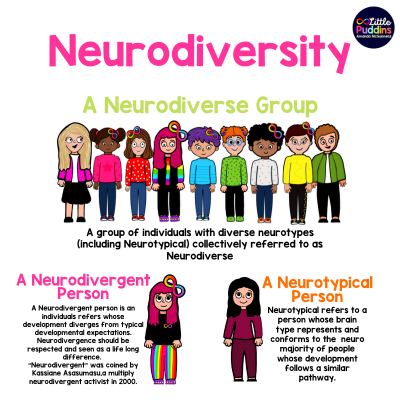
Start by learning about Autism from Autistic voices. Your child is part of a beautiful and diverse community of Autistic people who have so much wisdom to share.
Seek out books, blogs, podcasts, and resources created by Autistic people who speak with authenticity about their lived experiences. This can help you better understand your child’s needs, strengths, and the ways they engage with the world. Autism is not a "deficit", it’s a natural variation of human experience.
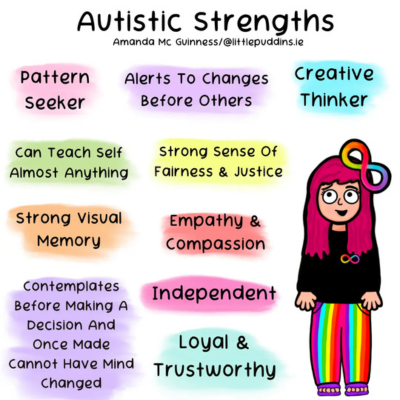
By approaching your child’s needs through a strength-based lens, you can nurture their abilities and meet their differences with compassion and creativity.
Connect with Your Child
Your child is communicating all the time. Learn to observe and honour their ways of connecting, whether that’s through play, movement, art, or quiet companionship. Your child’s interests and passions are their guideposts.
Following their joy, even in what seems small (like lining up toys, loving a particular character, or stimming with enthusiasm), builds trust and connection. Support your child’s sensory needs with empathy and understanding. Whether it’s noise-cancelling headphones, sensory breaks, or cozy spaces, creating environments where your child feels safe can reduce stress and support them to thrive.
Build Your Support Network
Find supportive professionals, educators, and therapists who approach your child with respect, dignity, and an affirming mindset. Steer away from practices like Applied Behavior Analysis (ABA), which often aim to make Autistic children “appear neurotypical” at the cost of their well-being. Instead, seek approaches that empower your child, value their autonomy, and respect their ways of being in the world. Wherever possible engage with professionals, educators and therapists who are Autistic. Look for other families, Autistic mentors, or local groups who share a neuroaffirmative perspective. Community can bring comfort and wisdom.
Celebrate Your Child’s Unique Journey
Every child’s development looks different, and that’s okay. There is no “right way” to be human. Every human is unique and some human’s are Autistic. Celebrate the progress your child makes in their own time, in their own way. Focus on what helps your child feel understood, supported, and loved exactly as they are. Your unconditional acceptance is one of the greatest gifts you can give.
Care for Yourself Too
Your love and dedication are profound, but parenting can also be overwhelming at times. Be kind to yourself, find moments of rest, and seek support when you need it. You are growing and learning alongside your child, and that’s a beautiful process.
Above all, know this: Autism is not something to “fix” or grieve. Your child is already whole, already worthy, and already enough. They deserve to feel loved and celebrated for exactly who they are. By embracing your child’s uniqueness and meeting them where they are, you are creating a foundation where they can flourish.
10 Neuro-affirming Steps to Take After Your Child’s Autism Diagnosis
Learn from Autistic Voices Seek resources, books, blogs, and videos created by Autistic individuals. Listening to their lived experiences helps you better understand Autism in a way that centers dignity, acceptance, and authenticity.
Celebrate Your Child’s Strengths Focus on what your child enjoys and excels at, whether it’s a passion for dinosaurs, music, art, or stimming. Interests are meaningful, and building on them fosters confidence, joy, and connection.
Create a Sensory-Friendly Environment Support your child’s sensory needs by recognizing their preferences. This might include quiet spaces, sensory tools like fidget toys or weighted blankets, and accommodations like noise-cancelling headphones.
Honour Communication in All Forms Embrace and respect how your child communicates, whether it’s through speech, AAC devices, gestures, body language, or scripting. All communication is valid and meaningful.
Build a Supportive Community Connect with other parents, Autistic mentors, and Autistic professionals who share a neuro-affirming mindset. Building relationships with people who “get it” will help you feel supported and informed.
Advocate for Inclusion and Accommodations Work with your child’s educators, caregivers, and therapists to ensure they are in inclusive environments where accommodations, like sensory breaks, flexible communication supports, and quiet zones, are readily available.
Embrace Stimming and Self-Regulation Stimming (like hand-flapping, rocking, or spinning) is natural and important for Autistic people. It helps with self-regulation, expression, and joy. Support your child to stim freely and explore tools to support their regulation needs.
Focus on Connection, Not Correction Build a relationship rooted in trust and connection by joining your child in their focus. Follow their lead during play or downtime, and let their interests guide you. Prioritize creating safe, loving spaces.
Practice Self-Compassion and Patience Parenting is a journey, and it’s okay to learn as you go. Celebrate the progress you make as a family and give yourself grace. Your willingness to listen, learn, and support your child is the most important step of all.