
Autism and Handwriting
Supporting Early Mark Making and Visual Motor Development Through Play
(This post was originally written in 2019)
Early mark making, tracing, and matching activities support the development of a range of underlying skills that contribute to later writing, drawing, and functional hand use.
For many Autistic children and neurodivergent learners, traditional writing expectations can feel overwhelming when the foundational skills required for handwriting are still developing. Providing opportunities to explore tracing and matching through play based, low pressure activities allows children to engage at their own pace while building confidence and motor awareness.
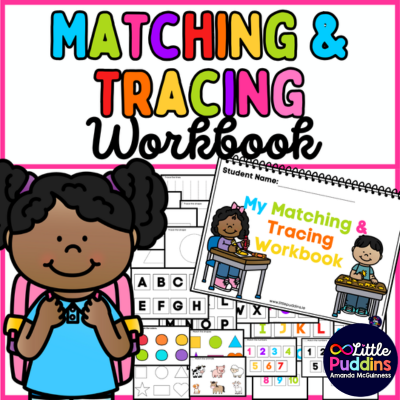
This resource has been designed with these principles in mind. It offers a free matching and tracing activity that can be used flexibly at home, in early years, school settings, or within Occupational Therapy informed practice. The activity supports children to visually scan, match corresponding images, and practise controlled mark making without the expectation of letter formation or handwriting accuracy.
Occupational Therapy Informed Use
Tracing and matching activities support:
Visual motor integration
Hand eye coordination
Motor planning
Grasp development
Bilateral coordination
Attention and task engagement
These skills develop over time and in varied ways. Some children may enjoy repeating the activity, while others may engage briefly or intermittently. Both are valid forms of participation.
The activity can be adapted in a number of ways, such as using thick markers, crayons, or paintbrushes, working on a vertical surface, or placing the sheet inside a reusable sleeve to allow for repeated use without pressure. Adjustments should always be guided by the child’s sensory preferences and Occupational Therapist recommendations where applicable.
A Neuroaffirmative Approach to Skill Development
A neuroaffirmative approach recognises that differences in fine motor development are not deficits to be corrected, but variations in how children develop and interact with tools and tasks. Matching and tracing activities should be offered as invitations, not demands. Signs of fatigue, avoidance, or frustration are meaningful communication and indicate a need for rest, adjustment, or a different activity.
This free matching and tracing activity is intended to support exploration, enjoyment, and access, not compliance or performance. When used alongside play, movement, and supportive adult attunement, it can become one small part of a broader, respectful approach to development.
As with all fine motor activities, families and educators are encouraged to follow guidance from Occupational Therapists and to prioritise wellbeing, autonomy, and engagement over outcomes.
