
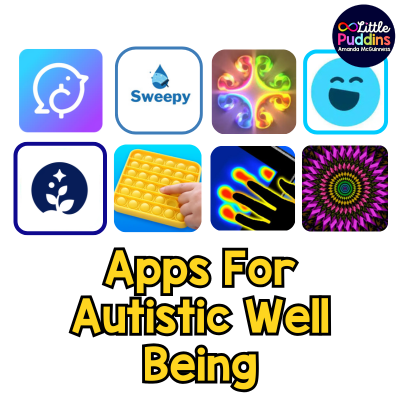
Apps Supporting Autistic Wellbeing
An evidence-informed overview of wellbeing apps that can support Autistic regulation, sensory processing, emotional balance, and autonomy. This post includes a curated list of iOS and Android apps commonly used by Autistic people to support wellbeing, routine, relaxation, and self-directed regulation.
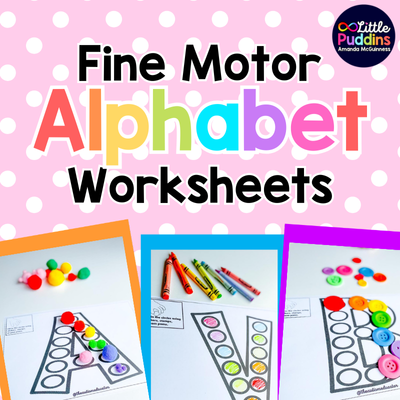
Pencil Control Printables
Download your FREE Fine Motor Pom Pom Activity. When supporting handwriting development, it is important to remember that progress is not linear and readiness looks different for every child. Pencil control activities should remain optional, strengths based, and responsive to the child’s energy and regulation. Supporting fine motor development is most effective when it is embedded within a broader understanding of each learner’s needs and abilities.

Free Arfid Webinar
Arfid and Autism Free Webinar - Teresa Foley OT and Amanda McGuinness. This webinar is designed to provide parents with an understanding of ARFID and its unique intersection with Autism. Attendees will gain insights into the challenges faced by Autistic children with ARFID and learn practical strategies to foster positive mealtime experiences.

Arfid and Autism
On this week’s episode of the Unfiltered Autistic Podcast Amanda speaks with Teresa Foley Paediatric Occupational Therapist and Specialist Feeding Therapist about what is Arfid, how to support Autistic children with Arfid and what supports she has to offer families just like Amanda’s Little Puddins.

Handwriting Fine Motor Apps
A list of fine motor and handwriting apps. Digital tools and apps can play a useful role within this broader approach when used thoughtfully and in line with Occupational Therapy guidance. Handwriting apps should be viewed as supportive resources rather than replacements for developmentally appropriate motor work or therapeutic input.
Autism and Handwriting
Free Handwriting Matching Tracing Resource to Support Autistic Learners. Early mark making, tracing, and matching activities support the development of a range of underlying skills that contribute to later writing, drawing, and functional hand use.
Fine Motor Skill Development
Fine motor skill development underpins many everyday activities, including self care, play, learning tasks, and communication. These skills rely on the coordinated use of small hand muscles, postural stability, sensory integration, bilateral coordination, and motor planning. For many Autistic children and neurodivergent learners, fine motor development may progress differently and requires thoughtful, individualised support rather than increased demands or repetition.
Autism Hand Dominance
Linda Keogh OT offers her insights into understanding Hand Dominace. An Occupational Therapist (OT) can evaluate a child’s skills with playing, school performance, and daily activities. They will then use these findings to develop goals with parents around meaningful occupational treatments that the child needs to develop further. Therapy can come in many forms and shapes but it should always be rooted in play.