AAC Symbol Based Communication
AAC Symbol Based Communication
(This post was originally written in 2019)
As a parent to a non-speaking teenager and as a professional working with and supporting non-speaking individuals, I understand he importance of AAC symbol based communication.
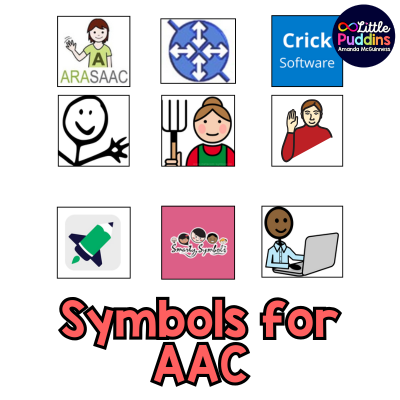
I have curated a short list of graphic symbols (pictograms) that are commonly used in aided AAC ools and resources.
As a parent and as a professional I have used a number of the graphic symbols listed below and in recent times have become more familiar with the rest.
Graphic Symbols for AAC
To represent words, ideas and messages visually we can use 2-dimensional graphic symbols (pictograms). In the short list I have curated the graphic symbols I am using most often currently are Arasaac. They are modern and offer a variety of edits options.
In the past I have used Boardmaker and Smarty Symbols, both of which offer a variety of graphic symbol imagery including full colour and black and white.
Some of the graphic symbols on the list are free and some are fee based. For parents starting out I recommend Arasaac. A free graphic symbol based resource which also offers free templates.
Some of the graphic symbol providers charge a once off fee or a monthly subscription. Ensure you read the descriptions of each product description to ensure you purchase the option most suitable for you and your loved ones needs.

Who Uses AAC?
AAC is used by many Autistic people, including non-speaking and minimally speaking individuals. It is also used by people who speak some of the time, people who have unreliable speech, individuals with motor or speech differences, and people who use AAC temporarily or intermittently.
Importantly, AAC use does not prevent speech development. Research and lived experience consistently show that AAC supports and scaffolds language development and reduces frustration by providing reliable access to communication.
Why AAC Matters
Communication is a human right. Without access to AAC, individuals may be excluded from education, healthcare decisions, relationships, and everyday participation. AAC supports autonomy, self-advocacy, emotional expression, and safety.
For parents, AAC can open up new ways of understanding a child’s inner world. For professionals, AAC is a critical component of inclusive, trauma-informed, and neuroaffirmative practice.
AAC should never be something a person has to earn or prove they need. Access should be proactive, respectful, and ongoing.