What is AAC?
Understanding Augmentative and Alternative Communication
Augmentative and Alternative Communication, commonly known as AAC, refers to the many ways people communicate when speech is non accessible, reliable, or preferred. AAC is used by Autistic people, disabled people, and individuals with a wide range of communication differences. For both parents and professionals, understanding AAC is an essential step toward creating inclusive, respectful communication environments.
AAC is not a last resort and it is not a replacement for intelligence, language, or understanding. It is a communication access tool. When AAC is available, people are better supported to express needs, thoughts, emotions, opinions, humour, and identity.
What Does AAC Include?
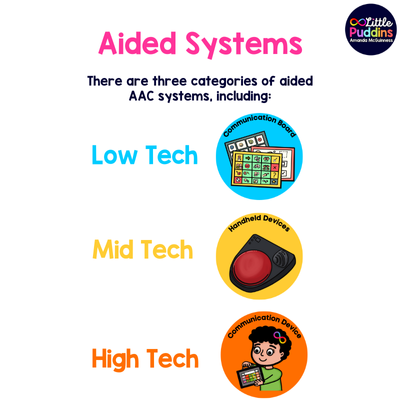
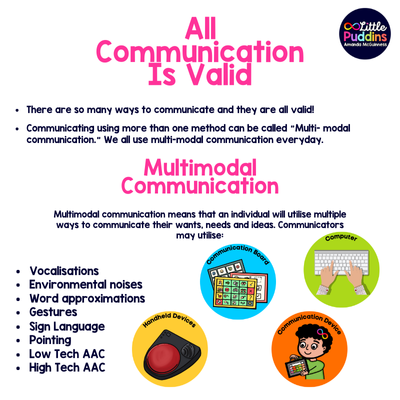
AAC includes both low-tech and high-tech communication supports. Low-tech AAC may involve communication boards, picture symbols, visual cards, written words, or sign-based systems. High-tech AAC can include speech-generating devices, tablets, and communication apps that use symbols, text, or a combination of both.
AAC can support single words, full sentences, complex language, and evolving communication over time. There is no one correct AAC system. The most appropriate system is the one that works best for the individual using it.
Who Uses AAC?
AAC is used by many Autistic people, including non-speaking and minimally speaking individuals. It is also used by people who speak some of the time, people who have unreliable speech, individuals with motor or speech differences, and people who use AAC temporarily or intermittently.
Importantly, AAC use does not prevent speech development. Research and lived experience consistently show that AAC supports and scaffolds language development and reduces frustration by providing reliable access to communication.
Why AAC Matters
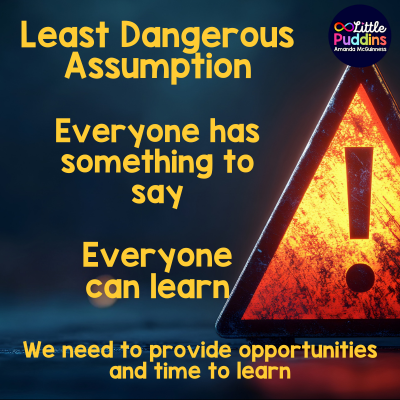
Communication is a human right. Without access to AAC, individuals may be excluded from education, healthcare decisions, relationships, and everyday participation. AAC supports autonomy, self-advocacy, emotional expression, and safety.
For parents, AAC can open up new ways of understanding a child’s inner world. For professionals, AAC is a critical component of inclusive, trauma-informed, and neuroaffirmative practice.
AAC should never be something a person has to earn or prove they need. Access should be proactive, respectful, and ongoing.
Supporting AAC at Home and in Professional Practice
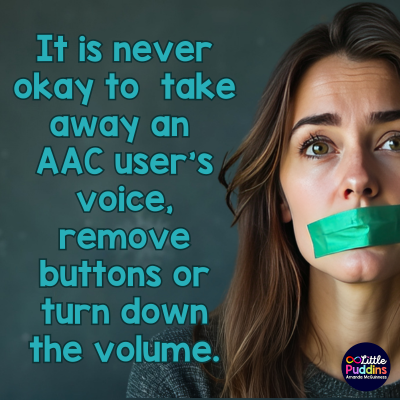
Supporting AAC means more than providing a device or system. It involves modelling communication, responding meaningfully to all communication attempts, and ensuring AAC is available across environments. AAC should travel with the person and be supported consistently at home, in school, and in the community.
When AAC is respected and embedded into daily life, communication becomes safer, richer, and more authentic.
AAC Is About Access, Not Ability
AAC does not limit communication. It expands it. When parents and professionals understand what AAC is and why it matters, they are better equipped to support Autistic people to communicate in ways that honour their autonomy and lived experience.
Supporting AAC is not about changing the person. It is about changing the environment so communication can flourish.