Kerry Murphy on Neurodiversity-Affirming Practice in the Early Years
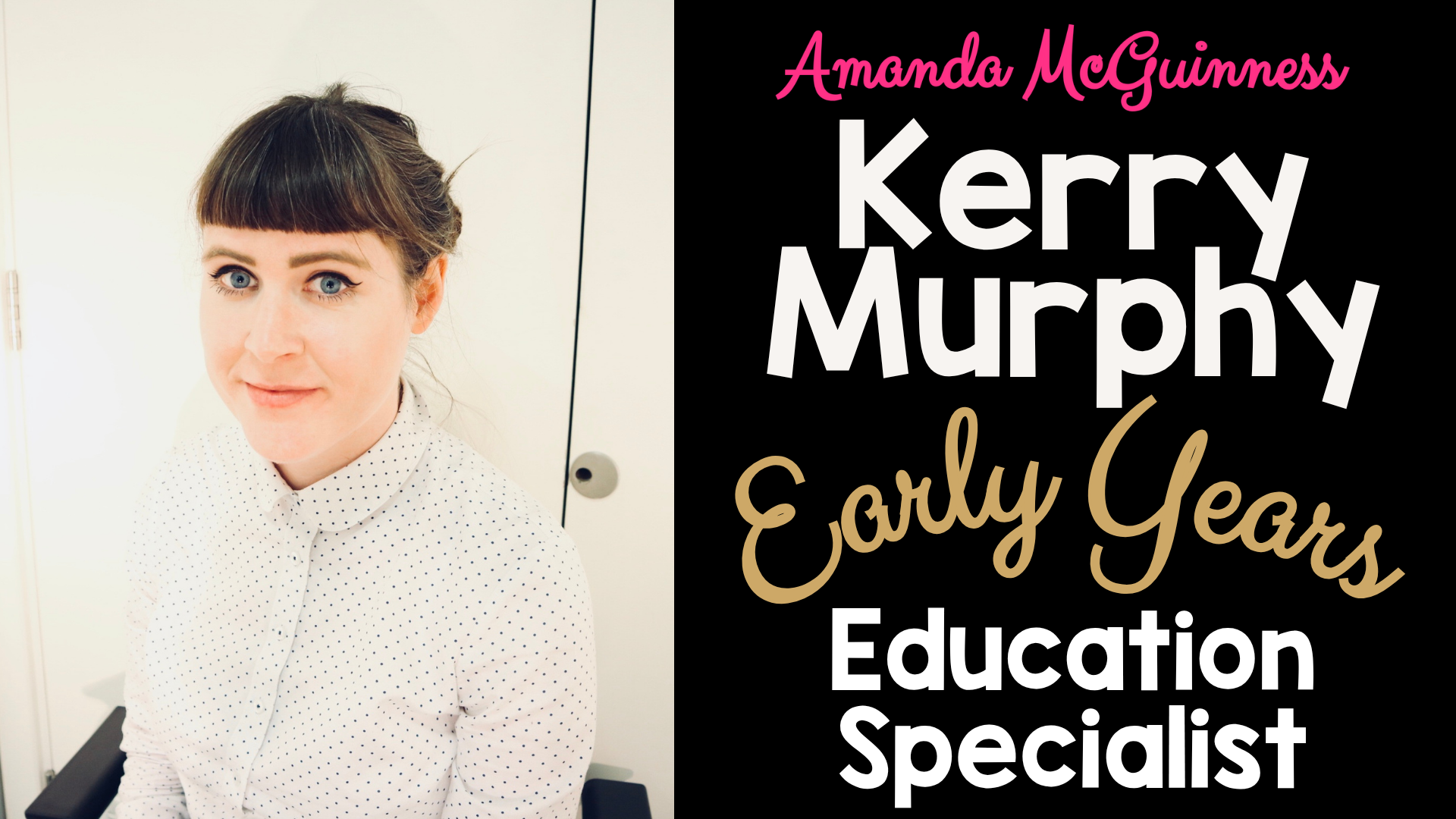
Neurodiversity-Affirming Practice in the Early Years: A Conversation with Kerry Murphy
What if the earliest years of a child's life weren't about preparing them to fit into the world, but about creating a world where they already belong?
That question sits at the heart of my latest conversation on The Unfiltered Autistic Podcast with Kerry Murphy, early childhood specialist, lecturer, author and founder of Diverse Pathways for Early Childhood.
Kerry has become one of the leading voices challenging traditional approaches to early childhood education through a neurodiversity-affirming and anti-ableist lens. Her work invites educators, leaders and families to rethink long-held assumptions about child development, behaviour, communication, play and inclusion. Rather than asking how we can change children to fit existing systems, Kerry encourages us to ask a far more important question:
How do we create environments where every child is understood, valued and able to thrive?
Why the Early Years Matter
Throughout our conversation, one message emerged again and again.
The early years are not simply preparation for school. They are the foundation upon which identity, belonging, confidence and relationships are built.
The experiences children have during these formative years shape how they come to understand themselves and how they believe the world understands them. For neurodivergent children, these early experiences can either foster safety, autonomy and authentic self-expression, or communicate that their natural ways of thinking, communicating and moving through the world need to be corrected.
Kerry reminds us that neurodiversity-affirming practice is not a collection of strategies or interventions. It is an ethical commitment to seeing children as whole people rather than problems to solve.
Beyond Developmental Checklists
One of the most thought-provoking aspects of our discussion centred on developmental expectations.
Traditional developmental frameworks often encourage educators to compare children against predetermined milestones and norms. While developmental knowledge undoubtedly has value, Kerry encourages professionals to critically examine how these frameworks can unintentionally reinforce deficit thinking.
Children develop differently.
This shift moves us towards understanding the unique ways each child may experience the world.

Challenging Ableism in Early Childhood
One of Kerry's most powerful messages is that creating inclusive environments requires more than increasing knowledge about Autism or Neurodivergence.
It requires us to recognise and challenge ableism.
Ableism is often subtle. It appears in everyday expectations around eye contact, sitting still, communication, play, emotional expression and independence. These expectations frequently reflect what society values rather than what children genuinely need. When educators begin to critically reflect on these assumptions, they create opportunities to build environments that welcome diversity instead of rewarding conformity.
Neurodiversity-affirming practice is therefore not simply about accommodating difference. It is about questioning the systems that define some ways of being as more acceptable than others.
Planting Seeds for Neurodiversity
One phrase from Kerry's book has stayed with me ever since reading it:
"Planting seeds for neurodiversity."
It perfectly captures the role early childhood educators play.
Every interaction, every conversation with families, every adaptation to an environment and every moment of genuine curiosity plants a seed that can influence how children understand themselves for years to come.
When children experience acceptance before judgement, curiosity before correction and connection before compliance, they develop within environments that protect both wellbeing and identity. Those seeds continue growing long after children leave the early years.
Families Are Partners, Not Passengers
Another recurring theme throughout our conversation was the importance of relationships with families. Parents and caregivers know their children in ways that cannot be replicated through observation alone. Listening to families, valuing lived experience and developing genuine partnerships creates richer, more responsive support for children.
Rather than positioning professionals as experts who deliver answers, Kerry advocates for collaborative relationships built on mutual respect, shared learning and curiosity. This approach not only strengthens outcomes for children but also creates greater trust between families and educational settings.

Neurodiversity-Affirming Practice Is About Everyone
Although Kerry's expertise lies within early childhood education, one of the strongest messages from our discussion was that these principles extend far beyond the early years.
Respecting autonomy.
Honouring different communication styles.
Creating psychologically safe environments.
Recognising behaviour as meaningful information of communication.
Valuing diverse ways of learning.
These are principles that benefit children, young people and adults across every stage of life.
Neurodiversity-affirming practice is not confined to nurseries or preschools. It represents a broader shift towards a society that values diversity as a natural part of being human.
A Conversation That Challenges and Inspires
What I particularly appreciated about speaking with Kerry was her ability to combine academic rigour with practical application.
Her work encourages educators to think critically, question inherited assumptions and remain open to continual reflection. Rather than offering quick fixes, she invites us into deeper conversations about ethics, inclusion, professional identity and the kind of childhoods we want all children to experience.
For anyone working in early childhood education, schools, clinical practice, family support, leadership or policy, this conversation offers an opportunity to reflect not only on what we do, but why we do it.
Listen to the Episode
If you're passionate about Autism, neurodiversity, early childhood education, inclusive practice or creating environments where every child belongs, I encourage you to listen to this episode of The Unfiltered Autistic Podcast.
You'll hear an honest, thought-provoking conversation exploring:
Neurodiversity-affirming practice in the early years.
Challenging deficit-based models of child development.
Creating inclusive environments beyond compliance.
Partnering meaningfully with families.
Understanding behaviour through context rather than control.
Building educational systems that celebrate difference rather than simply accommodate it.
Learn more about Kerry Murphy Early Years Education Specialist
Kerry Murphy is an early childhood specialist, lecturer, author and founder of Diverse Pathways for Early Childhood. Through her writing, training and professional learning, she continues to influence educators around the world to rethink early childhood through a neurodiversity-affirming and anti-ableist lens.
You can explore Kerry's work, books and professional learning opportunities at www.diversepathways.org.
You can also join the Early Childhood Neurodiversity-Affirming Summit, bringing together leading international speakers to explore the future of inclusive early childhood practice.
Follow Kerry on Instagram at @diversepathways_earlyyearsfor regular insights, research and practical ideas that continue the conversation beyond this podcast.
The earliest years shape lives. Thought leaders like Kerry Murphy help shape the future of early childhood itself.