
Autism Toilet Training Visual Supports
Downloadable Visual Supports, Social Narratives & Printable Resources for Autistic Children
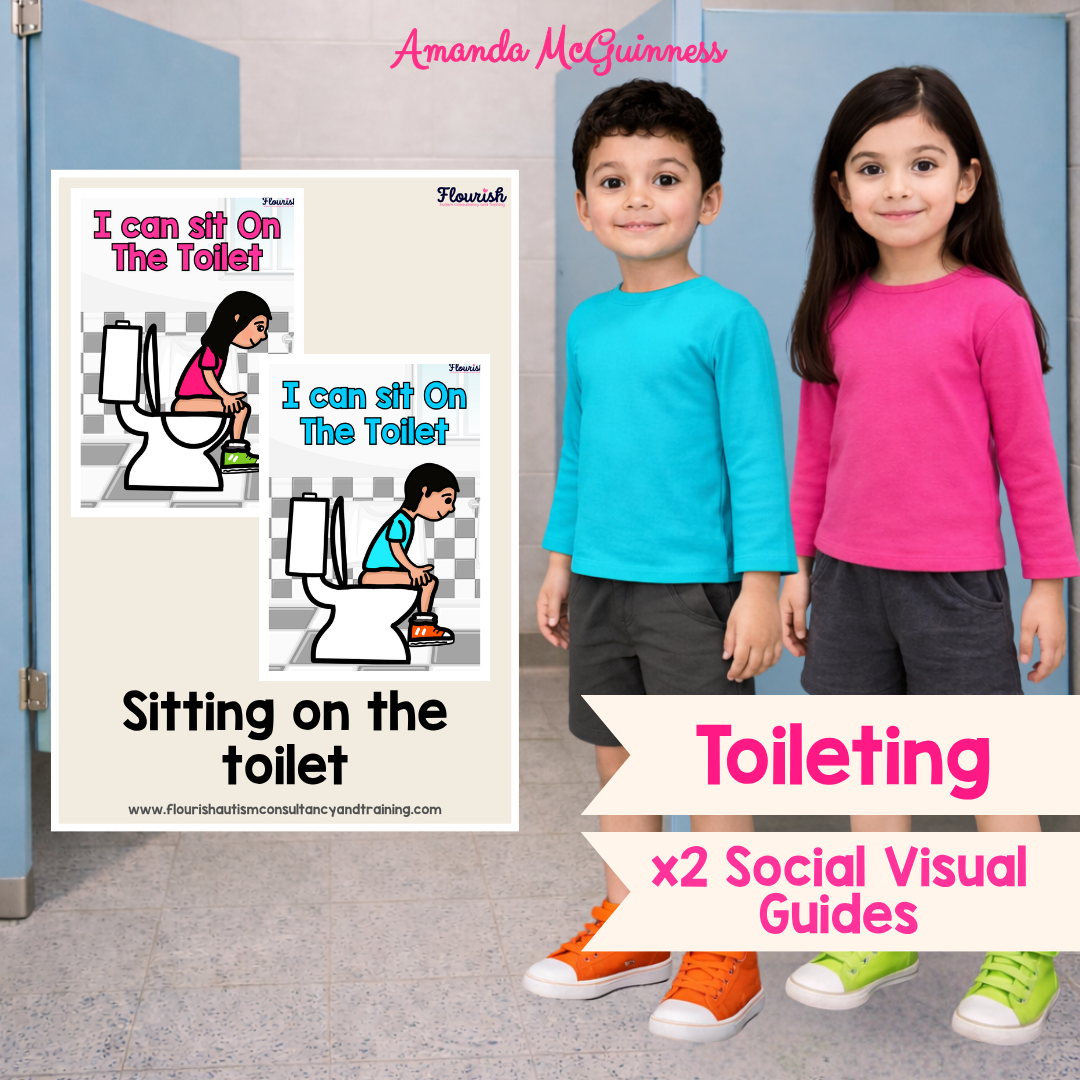
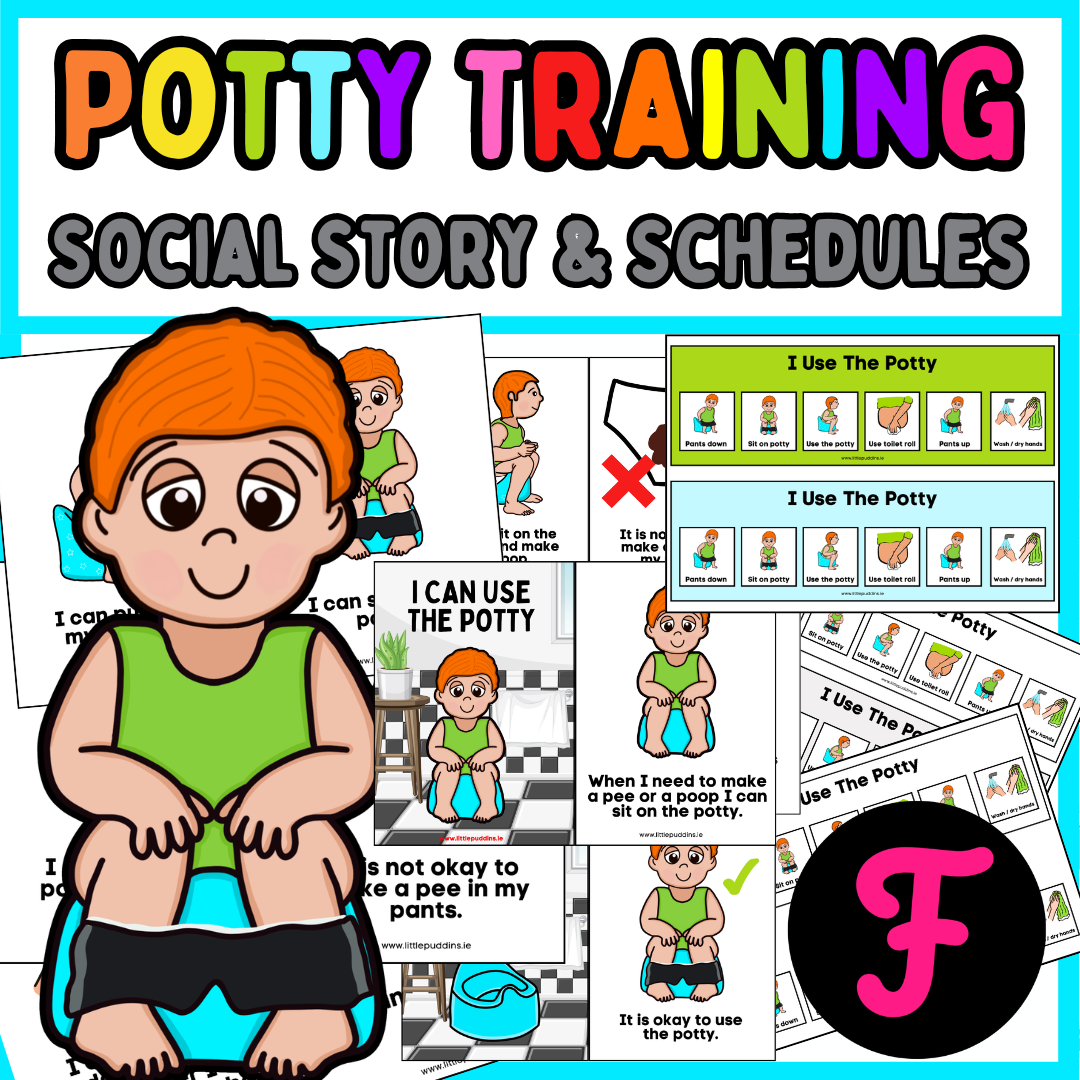
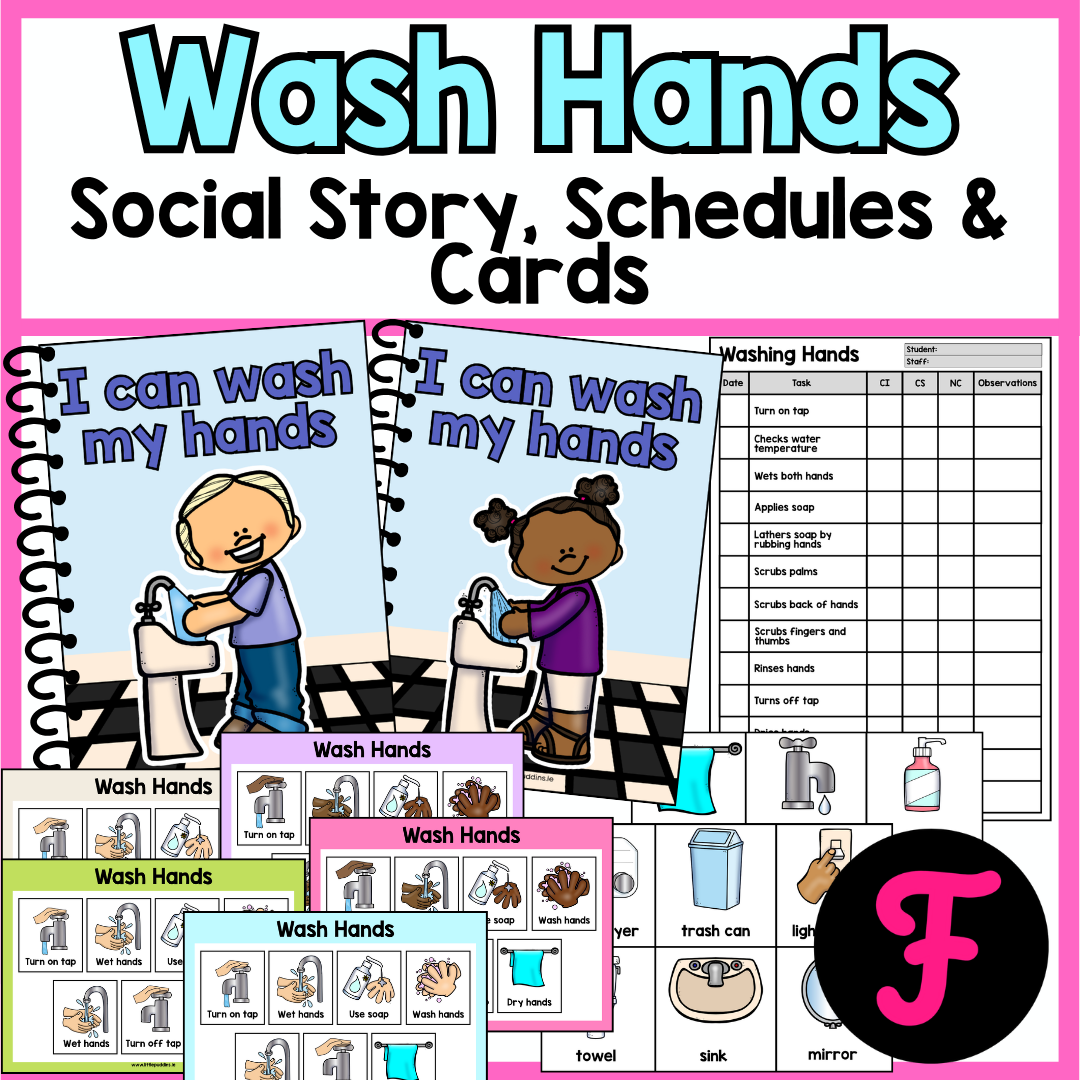
Visual supports can help create predictability, reduce uncertainty and support understanding throughout the toilet learning journey. Explore our growing collection of neuroaffirmative Autism toilet learning visual supports designed for families, schools, Early Years settings and professionals.
At Little Puddins and Flourish Autism, we recognise that language shapes understanding. Wherever possible, we use the term toilet learning, as it reflects a neuroaffirmative understanding that children develop toileting skills in their own time, through individual pathways and with the right supports, rather than being "trained". However, because toilet training remains the language most commonly used by families and professionals when searching online, you will see both terms used throughout our website. This approach helps ensure our resources are accessible to everyone while remaining aligned with respectful, child-centred and neuroaffirmative practice.
Why Use Visual Support To Empower Autistic Children To Learn To Use The Toilet
Learning to use the toilet is a highly individual journey for every Autistic child. Toilet learning is influenced by far more than learning a new routine. Sensory processing, interoception, communication differences, executive functioning, anxiety, previous experiences and individual developmental pathways can all influence how a child experiences toileting.
Visual supports provide an alternative way of sharing information. Rather than relying on spoken language alone, they help make routines more predictable, expectations clearer and communication more accessible. For many Autistic children, visual supports can reduce uncertainty, increase understanding and support greater participation in everyday toileting routines.
Created by Amanda McGuinness, Autism & PDA Specialist, this collection has been developed using a neuroaffirmative approach and is designed to support families, educators and professionals across home, school and Early Years environments.
Whether you are beginning toilet training, supporting a child experiencing anxiety around the bathroom, introducing public toilets, encouraging independence or creating consistent routines, these visual supports have been developed to promote understanding while respecting each child's individual pace and needs.
Autism Toilet Learning Visual Supports Design By Amanda McGuinness
The Autism Toilet Learning Collection has been exclusively created by Amanda McGuinness, Autism & PDA Specialist, educator and founder of Little Puddins. Amanda personally develops the content, designs every resource and hand illustrates many of the visual supports to create practical, evidence-informed and neuroaffirmative resources for families, educators and professionals.
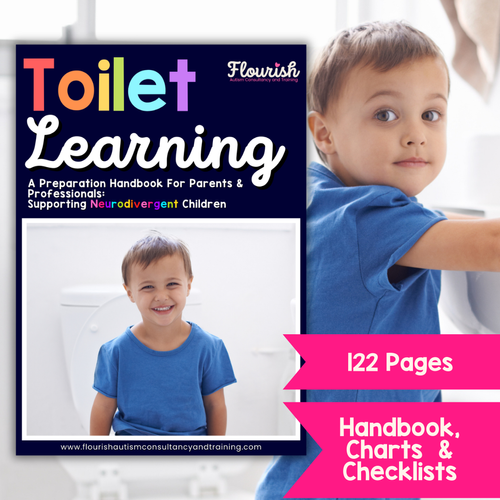
Available exclusively through the Flourish Autism Consultancy & Training online store, the collection continues to expand with new visual supports, social narratives, communication resources, handbooks and printable materials.
Browse the Autism Toilet Learning Collection
Whether you're supporting a child who is beginning toilet learning, developing independence, experiencing constipation or learning new self-care skills, explore the collection by topic below.
Autism Toilet Learning
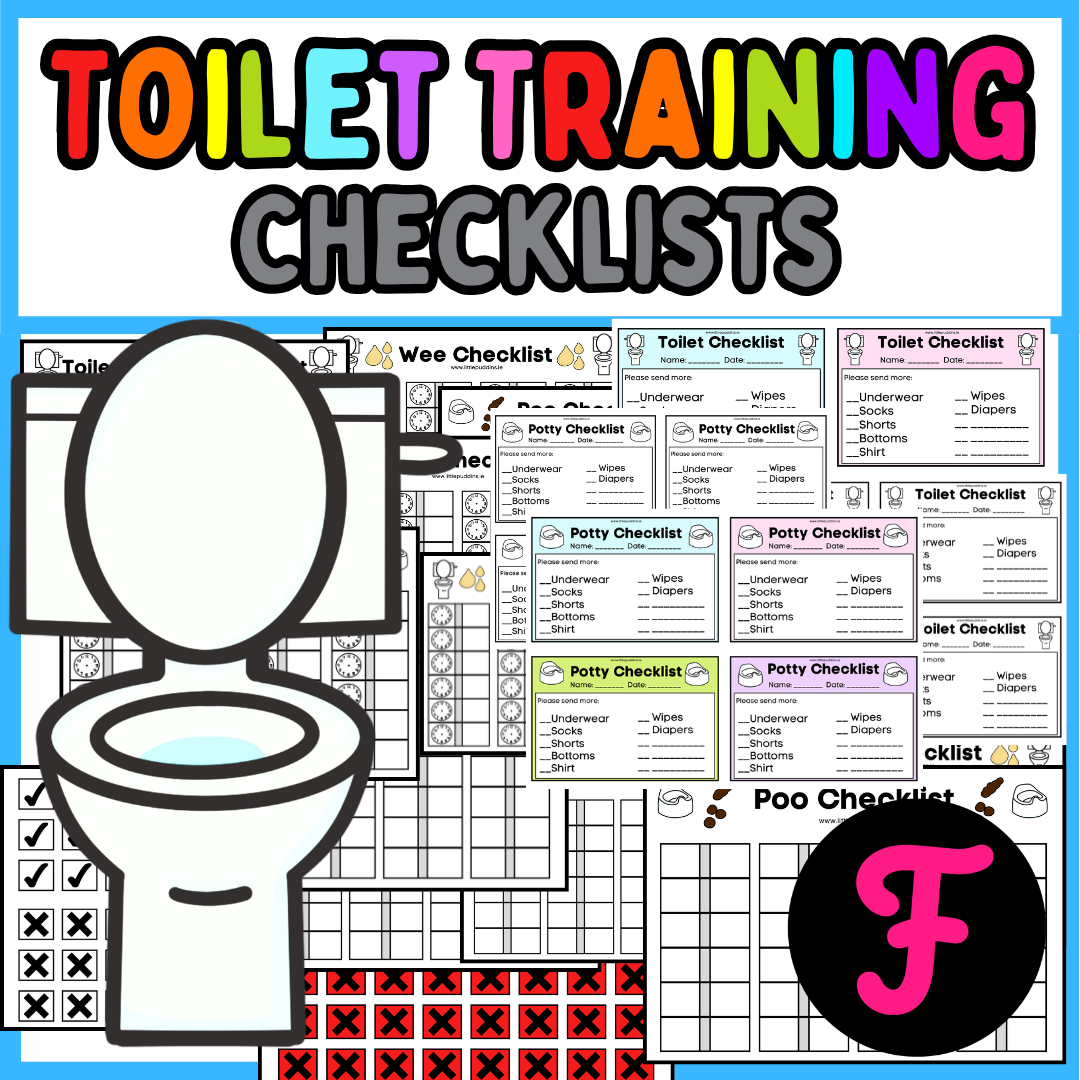
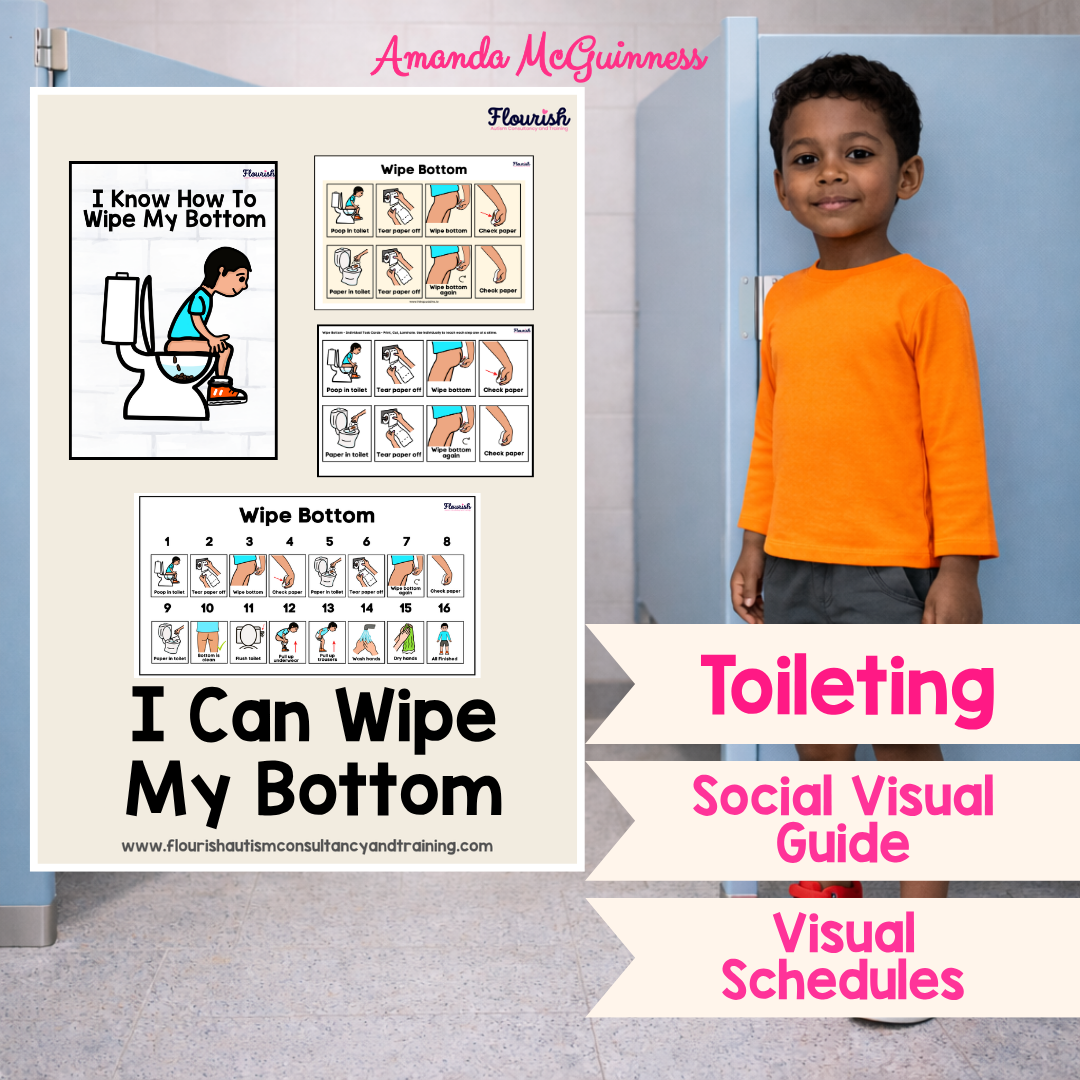
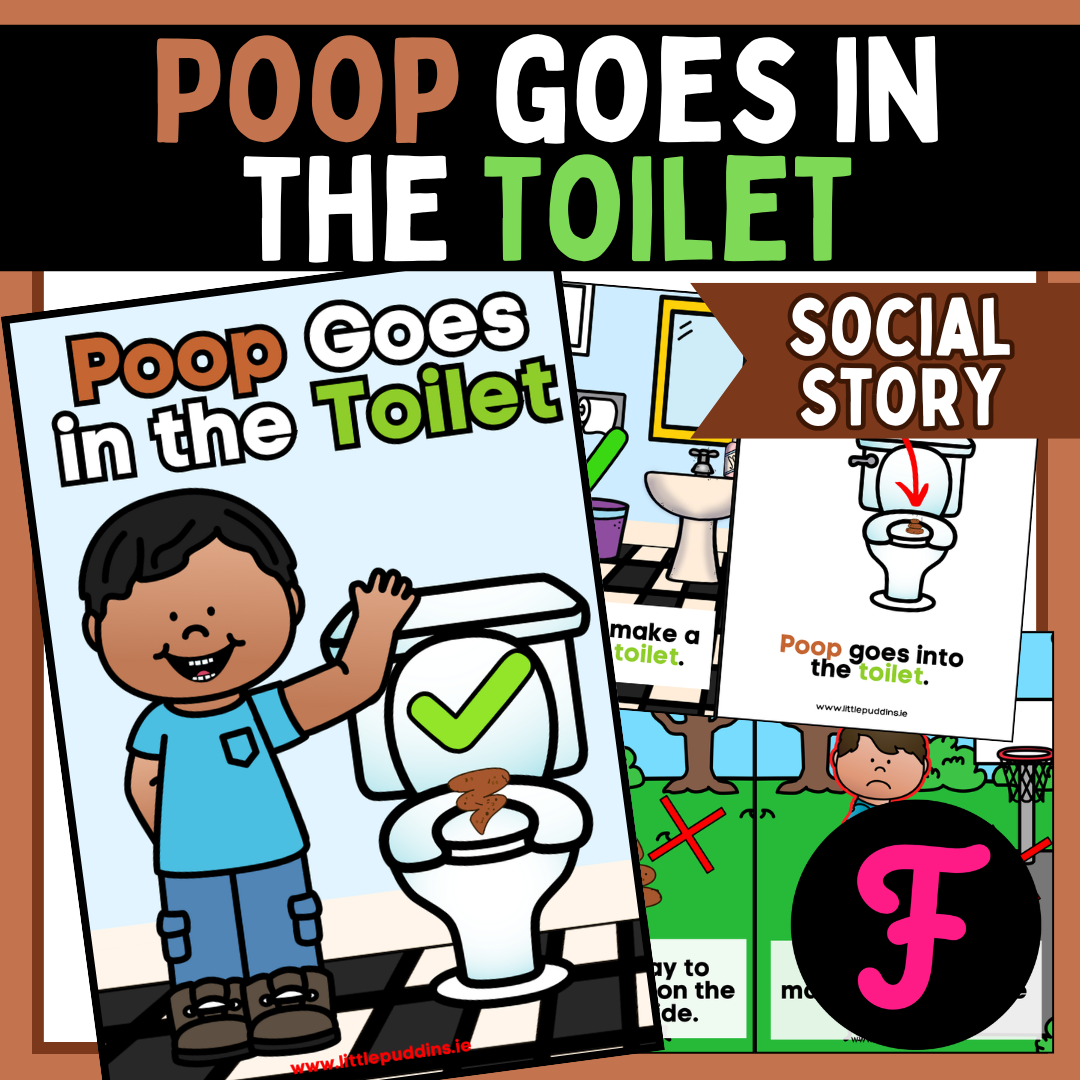
Visual supports designed to introduce toilet routines, increase predictability and help children understand every stage of the toilet learning journey.

Autism Toilet Learning Videos
-
When To Start Autism Toileting Learning
Knowing when to start toilet learning is about more than age. This video explores how body awareness, communication, sensory needs, bowel health and individual readiness can help guide when and how to begin.
-

Teaching How To Wipe
Learning to wipe involves body awareness, reaching, balance, coordination, sensory processing and motor planning. This video explores practical, neuroaffirmative ways to help Autistic children develop the skills needed for wiping with greater confidence and independence.
-
Fear Of Entering The Bathroom
It all begins with an idea. Maybe you want to launch a business. Maybe you want to turn a hobby into something more. Or maybe you have a creative project to share with the world. Whatever it is, the way you tell your story online can make all the difference.
-
Autism Poo Smearing
Poo smearing in Autistic children can have many underlying causes. This video explores how bowel health, sensory experiences, interoception, communication and discomfort may contribute, and how understanding what is happening can guide compassionate support.
-

Autism Poo Withholding
Poo withholding can be connected to constipation, pain, fear, sensory experiences and interoception. This video explores why Autistic children may hold their poo and how understanding what is happening in the body can guide supportive next steps.
-
Autism Constipation Advice
Constipation can significantly affect comfort, body awareness and toilet learning for Autistic children. This video explores common signs of constipation, how it can contribute to withholding and toileting difficulties, and why supporting bowel health is so important.