
Persistent Drive for Autonomy
PDA (Persistent Drive for Autonomy)
Neuroaffirmative Autism Support
PDA, often understood as a Persistent Drive for Autonomy, is a nervous system response where everyday demands can feel overwhelming, unsafe, or controlling for an Autistic individual. This space brings together neuroaffirmative guidance, practical strategies, and lived parenting insight to support children whose need for autonomy is central to their wellbeing. Drawing from both professional experience and real family life, these resources are designed to help you understand behaviour through a nervous system lens, reduce pressure, and build connection, safety, and trust across home, school, and daily life.
Understanding Pathological Demand Avoidance
Also known as Persistent Drive for Autonomy, to support your child or student in a neuroaffirmative manner it is essential to understand what PDA means.
PDA and The Window of Tolerance
Learn about the Window of Tolerance in Autism and PDA, including hyperarousal, shutdown, nervous system regulation, sensory overwhelm, and neuroaffirmative support strategies for families and professionals.
Understanding PDA & Dr Ross Greene’s CPS Model
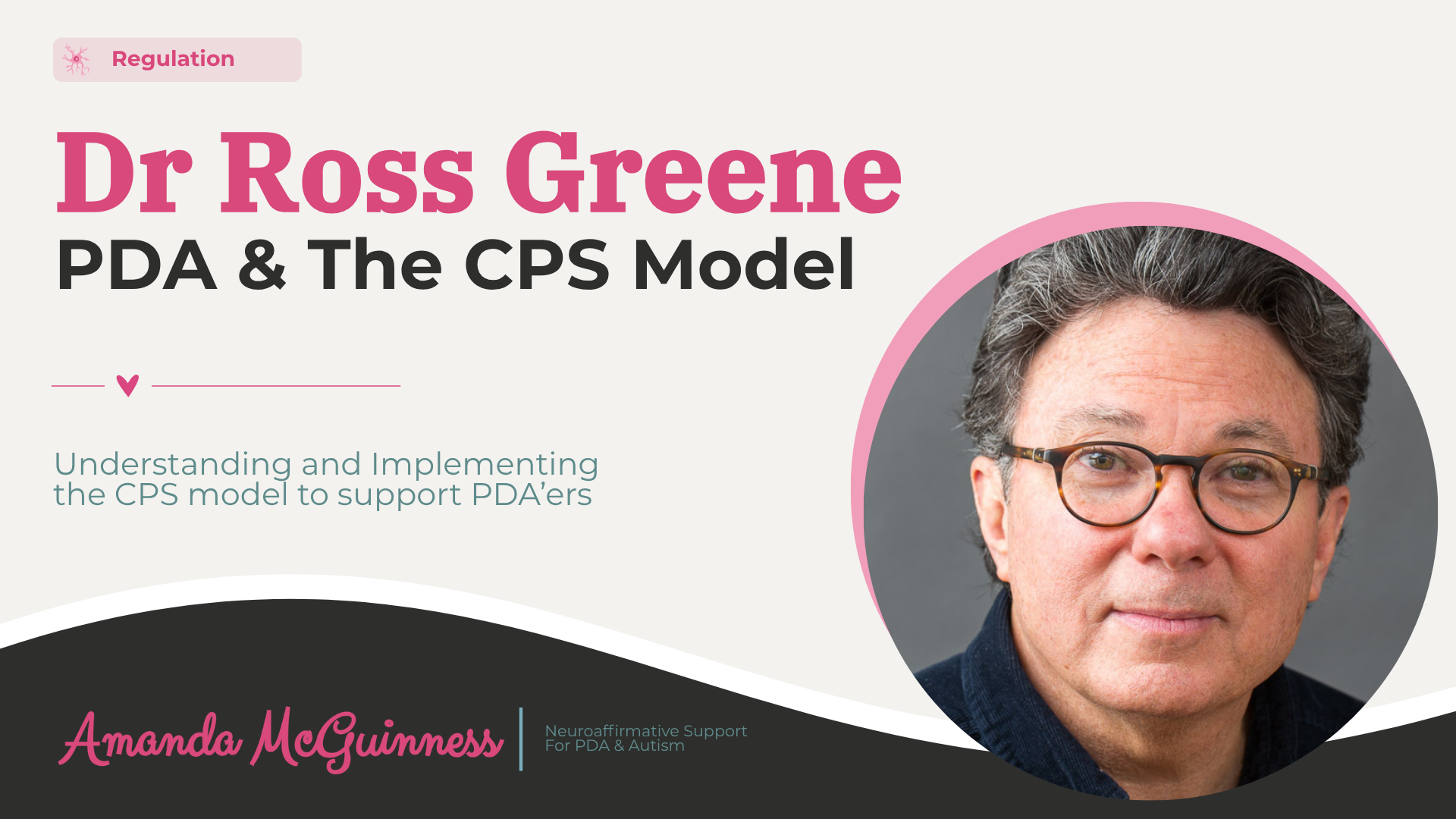
Dr. Ross Greene’s Collaborative & Proactive Solutions (CPS) model provides a trust-based, trauma-informed, and autonomy-respecting alternative that aligns with PDA-friendly approaches.
Supporting Autistic PDA Students
Supporting an Autistic Student with a PDA (Pathological Demand Avoidance) profile requires a fundamentally different approach from conventional educational models.
PDA & Strewing Origins
When adapted thoughtfully, strewing becomes a powerful strategy to support Autistic individuals whose engagement is shaped by demand sensitivity and nervous system safety
PDA and Rejection of Praise and Feedback
This unique way of experiencing the world means that even gentle guidance can be met with resistance or avoidance. Understanding why this happens allows us to shift from a compliance-based approach to one that respects autonomy and fosters trust.
