
Understanding PDA and Ross Greene’s CPS Model
Understanding PDA and Ross Greene’s CPS Model
Many traditional parenting and educational strategies, including rewards, consequences, and rigid behavioural interventions, fail to support Autistic PDA individuals neuroaffirmatively and can often cause and/or increase distress and demand avoidance.
Dr. Ross Greene’s Collaborative & Proactive Solutions (CPS) model provides a trust-based, trauma-informed, and autonomy-respecting alternative that aligns with PDA-friendly approaches. His “children do well if they can” framework prioritises emotional safety, problem-solving, and collaboration, making it an essential strategy for parents, educators, and professionals supporting PDA children.
What is PDA (Persistent Drive for Autonomy)?
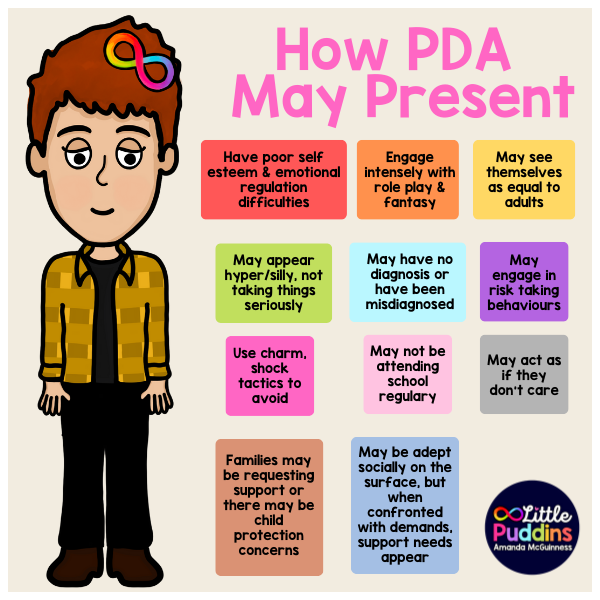
Persistent Drive for Autonomy (PDA), historically known as Pathological Demand Avoidance, is a profile recognised by many clinicians, researchers, Autistic people and families as describing individuals for whom experiences of reduced autonomy, agency or felt safety may have particular significance for wellbeing.
Rather than viewing PDA simply as avoiding demands, many neuroaffirmative perspectives understand it as reflecting the interaction between an individual's nervous system, their environment, and experiences that may be perceived as reducing choice, control or self-determination.
Understanding PDA Through the Lens of Nervous System Protection
Within this contemporary neuroaffirmative understanding of Persistent Drive for Autonomy (PDA), the focus shifts away from the demand itself and towards how the nervous system evaluates experiences of autonomy, agency, relational safety, and power dynamics.
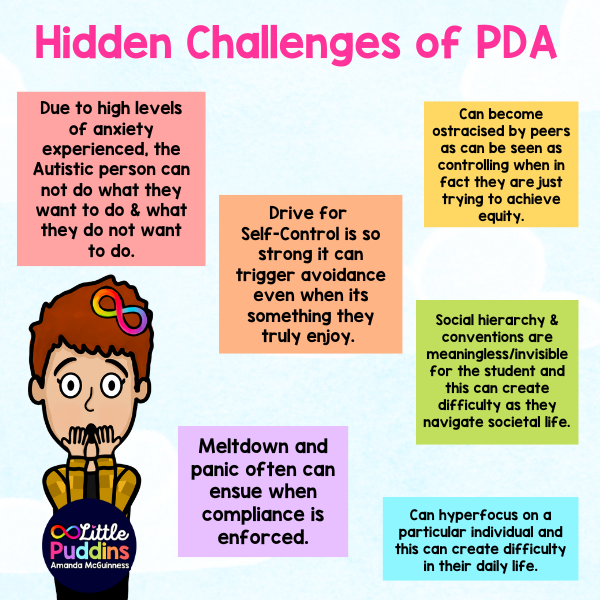
For individuals with a PDA profile, situations characterised by pressure, coercion, reduced autonomy, may be evaluated by the nervous system as threatening. This evaluation can reduce felt safety and increase the likelihood of protective responses emerging.
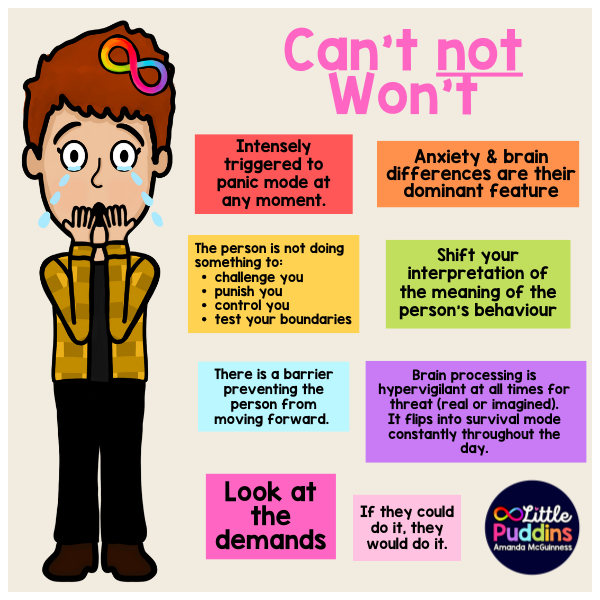
Importantly, these responses are not best understood as defiance, manipulation, or a deliberate refusal to cooperate. Rather, they may reflect the nervous system's adaptive attempts to preserve autonomy, agency, self-determination, when these are perceived to be at risk.
This perspective helps explain why approaches centred on collaboration, shared problem-solving, flexibility, and genuine participation are often more effective than those that rely on compliance, control, or increasing pressure.
Why Applied Behaviour Analysis (ABA) Is Not Appropriate for Individuals with a PDA Profile
Applied Behaviour Analysis (ABA) and other compliance-based behavioural approaches are not neuroaffirmative and are not appropriate for supporting individuals with a PDA profile. These approaches seek to modify observable behaviour, often through reinforcement and consequences.
Within a contemporary understanding of PDA, protective responses are not viewed as deliberate defiance or non-compliance but as adaptive responses that may emerge when autonomy, meaningful influence, relational safety or felt safety are compromised. Approaches that prioritise compliance over understanding can increase pressure, reduce autonomy and contribute to distress. Many Autistic people have also described experiences of ABA as harmful and, in many cases, traumatic, reinforcing the need for collaborative, autonomy-supportive and neuroaffirmative approaches that prioritise dignity, wellbeing and meaningful participation.
Why Ross Greene’s CPS Model is a More Effective Alternative
Ross Greene’s Collaborative & Proactive Solutions (CPS) model provides a compassionate, child-led alternative that respects autonomy and emotional well-being.
Rather than punishment or reinforcement, CPS focuses on:
Empathy and understanding – Identifying what is driving demand avoidance rather than reacting to surface behaviours.
Collaborative problem-solving – Engaging with the child to find mutually beneficial solutions.
Reducing pressure – Creating an environment where the child feels safe enough to regulate, rather than being forced into compliance.

For PDA children, the goal should never be compliance, it should be connection, trust, and a sense of agency over their own lives.
A trust-based, neuroaffirmative approach, such as Ross Greene’s CPS model, prioritises collaboration, emotional safety, and autonomy, making it a far more effective and compassionate way to support PDA children.
Ross Greene’s “Kids Do Well If They Can” Framework
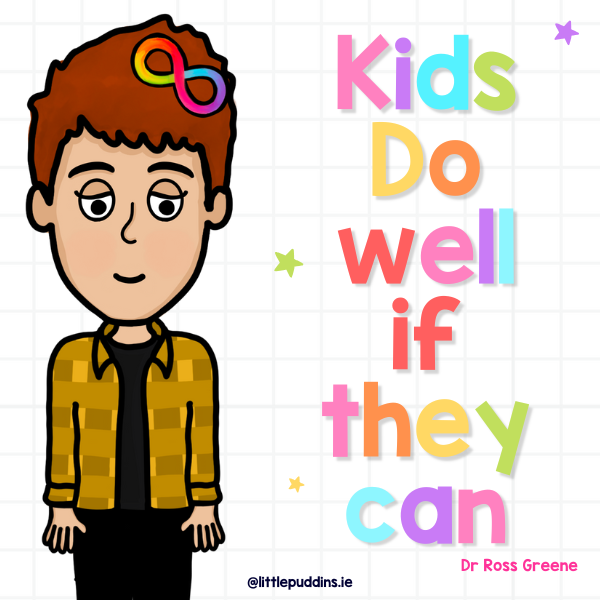
Ross Greene’s foundational principle, “Kids do well if they can”, challenges the outdated notion that children misbehave due to defiance or lack of motivation.
Instead, he argues that when children struggle with demands, they are lacking the necessary skills to cope, including:
Emotional regulation and distress tolerance
Flexible thinking and adaptability
Processing and managing autonomy-based anxiety
Executive functioning skills (e.g., planning, transitioning, problem-solving)
By identifying the child’s unmet needs rather than focusing on surface behaviours, parents and educators can reduce demand triggers and work collaboratively with PDA children.

The Window of Tolerance - Adapted from the work of Dr Dan Siegel
The CPS Model: An Understanding PDA-Friendly Framework
Ross Greene’s Collaborative & Proactive Solutions (CPS) model provides a step-by-step problem-solving process that aligns with PDA needs by reducing pressure, prioritising autonomy, and fostering emotional safety. In the context of understanding PDA this can be conceptualised to be:
Step 1: Empathy & Understanding PDA (Identifying Triggers)
The first step is to acknowledge and validate the child’s perspective without judgment. Radical acceptance is key. This removes the direct pressure, shifting the focus from demand to understanding.
Step 2: Define the Problem Together (Addressing Needs)
Rather than imposing a solution, both the child’s concerns and the adult’s concerns are acknowledged to find a mutually workable solution. This reduces stress and builds trust, helping PDA children feel safe enough to engage.
Step 3: Brainstorm Solutions Collaboratively (Offering Autonomy)
Rather than enforcing compliance, the goal is to offer flexibility and choices while respecting the child’s need for control. This reduces perceived pressure while allowing the child to maintain a sense of control.
Optimising Ross Greene’s CPS Model for Understanding PDA
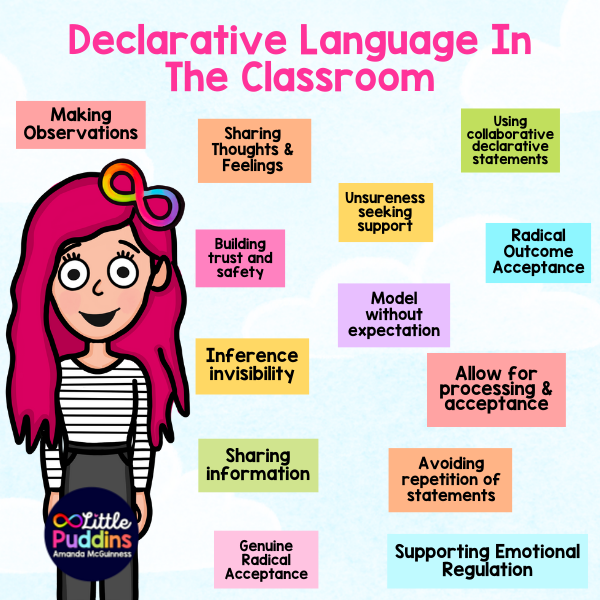
To make the CPS model more PDA-friendly, consider these key adaptations, for example:
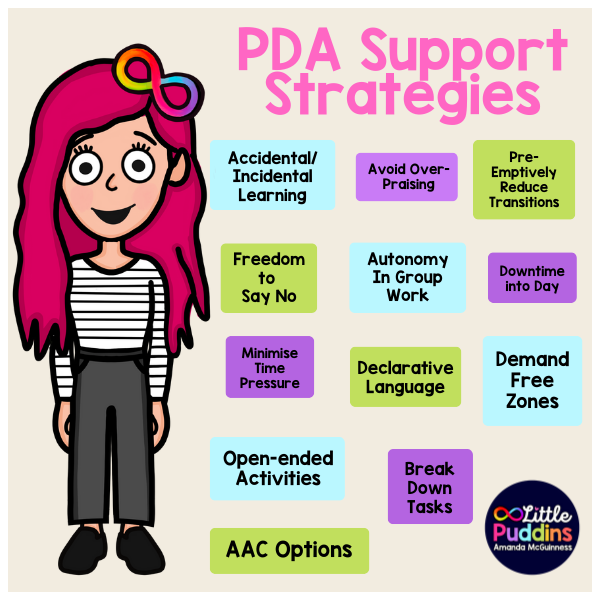
Reduce the perception of demands – Use declarative language instead of direct instructions.
Prioritise emotional safety over compliance – Recognise that PDA is a survival response, not opposition.
Create a low-demand environment – Minimise unnecessary pressures and allow for flexibility, autonomy, and spontaneity.
Why Ross Greene’s CPS Model is Essential for PDA
Ross Greene’s Collaborative & Proactive Solutions (CPS) model is a crucial framework for supporting PDA children because it shifts the focus from compliance to collaboration.
By recognising that PDA is an anxiety-driven response rather than oppositional behaviour, this approach allows children to feel safe enough to engage in problem-solving without triggering their demand-avoidance reflex.
Key Takeaways
Traditional compliance-based strategies do not work for PDA.
PDA is a nervous system response, not a behavioural choice.
Ross Greene’s CPS model helps reduce anxiety and increase trust.
The goal is not immediate compliance, it is long-term emotional well-being.
Get in Touch: Contact Amanda
Follow for Insights: Instagram @littlepuddins.ie
References:
Pathological Demand Avoidance (PDA) and the Nervous System:
1. Foundational Understanding of PDA:
Newson, E., Le Maréchal, K. and David, C. (2003) ‘Pathological demand avoidance syndrome: a necessary distinction within the pervasive developmental disorders’, Archives of Disease in Childhood, 88(7), pp. 595–600. Available at: https://adc.bmj.com/content/88/7/595 (Accessed: 1 February 2025).
Johnson, M. and Saunderson, H. (2023) ‘Examining the relationship between anxiety and pathological demand avoidance in adults: A mixed methods approach’, Frontiers in Education, 8, Article 1179015. Available at: https://www.frontiersin.org/articles/10.3389/feduc.2023.1179015/full (Accessed: 2 February 2025).
O’Nions, E., Happé, F., Viding, E. and Noens, I. (2021) ‘Extreme demand avoidance in children with autism spectrum disorder: Refinement of a caregiver-report measure’, Advances in Neurodevelopmental Disorders, 5(3), pp. 1–13. Available at: https://link.springer.com/article/10.1007/s41252-021-00203-z (Accessed: 1 February 2025).
O’Nions, E., Christie, P., Gould, J., Viding, E. and Happé, F. (2014) ‘Development of the “Extreme Demand Avoidance Questionnaire” (EDA-Q): Preliminary observations on a trait measure for pathological demand avoidance’, Journal of Child Psychology and Psychiatry, 55(7), pp. 758–768. Available at: https://acamh.onlinelibrary.wiley.com/doi/10.1111/jcpp.12149 (Accessed: 2 February 2025).
2. Neurophysiological Perspectives:
Porges, S.W. (2011) The Polyvagal Theory: Neurophysiological Foundations of Emotions, Attachment, Communication, and Self-Regulation. New York: W.W. Norton & Company.
Porges, S.W. (2001) ‘The polyvagal theory: phylogenetic substrates of a social nervous system’, International Journal of Psychophysiology, 42(2), pp. 123–146.
3. Insights for PDA Practitioners:
O’Nions, E., Happé, F., Viding, E. and Noens, I. (2021) ‘Extreme demand avoidance in children with autism spectrum disorder: Refinement of a caregiver-report measure’, Advances in Neurodevelopmental Disorders, 5(3), pp. 1–13. Available at: https://link.springer.com/article/10.1007/s41252-021-00203-z (Accessed: 1 February 2025)
Haire, L., Symonds, J., Senior, J. and D’Urso, G. (2024) ‘Methods of studying pathological demand avoidance in children and adolescents: A scoping review’, Frontiers in Education, 9, Article 1230011. Available at: https://www.frontiersin.org/articles/10.3389/feduc.2024.1230011/full (Accessed: 1 February 2025).
4. Neuroscience and Trauma-Informed Perspectives:
Porges, S.W. (2009) ‘Reciprocal influences between body and brain in the perception and expression of affect: A polyvagal perspective’, The Healing Power of Emotion: Affective Neuroscience, Development & Clinical Practice, pp. 27–54.
5. Real-World Lived Experience and Clinical Application:
Christie, P. (2018) ‘PDA… the story so far’, PDA Society Resources. Available at: https://www.pdasociety.org.uk/resources/phil-christie-pda-the-story-so-far/ (Accessed: 1 February 2025).
