
Why PDAers Reject Help

Understanding Why Support Can Sometimes Feel Like Pressure
Offering help is one of the most natural ways we show care. Whether we are supporting a child to get dressed, helping with homework, solving a problem or stepping in during moments of distress, our intention is usually the same: to reduce stress, make life easier and provide reassurance.
For many families when supporting an Autistic child or young person with a Persistent Drive for Autonomy (PDA) profile, these moments can become deeply confusing. A PDA child who is visibly struggling may become more distressed when help is offered. They may walk away, refuse assistance, become upset, insist on doing everything themselves or abandon the activity altogether. From the outside, it can appear as though they are rejecting the very support they need.
This experience is often misunderstood. Rejecting help is frequently interpreted as stubbornness, oppositional behaviour or an unwillingness to accept support. In reality, many Autistic people with a PDA profile describe something far more complex. The help itself is not necessarily the difficulty. Instead, it is how that help is experienced by the nervous system within that particular moment.
Over recent years, our understanding of PDA has expanded beyond simply recognising demand avoidance. Increasingly, neuroaffirmative perspectives encourage us to consider how accumulated pressure, nervous system regulation, autonomy, communication, relationships and the wider environment interact to shape everyday participation. This broader understanding helps explain why support that feels caring and reassuring to one person may unintentionally increase pressure for another.
Rather than viewing help as something that is either accepted or rejected, it can be more helpful to understand it as one part of a much larger interaction. Every offer of support takes place within a relationship, within a particular environment and at a particular point in time. Whether that support feels manageable is influenced not only by what is being offered, but also by the person's current nervous system state, previous experiences, opportunities for autonomy and the pressures that may already have accumulated throughout the day.

Looking Beyond "Rejecting Help"
When a PDA’er appears to reject help, it is easy to focus on the visible interaction. We see the refusal, the withdrawal, the frustration or the distress. These responses are often interpreted as the problem that needs to be solved.
However, visible responses are only one part of the picture.
Accepting help is not simply about receiving practical assistance. It is also a relational experience. It may involve:
processing another person's ideas
adapting to changes in ownership of a task
responding to increased social attention
navigating expectations
managing uncertainty about what will happen next.
For a nervous system already working hard to regulate, these additional experiences may unintentionally increase pressure. This helps explain why the same individual may happily accept support in one situation but find it impossible in another. The offer of help may be identical, yet the conditions surrounding that interaction have changed. Sensory experiences, fatigue, previous stress, communication demands, relationships, physical wellbeing and opportunities for autonomy all influence how manageable support feels in that moment.
Understanding help within this broader context encourages us to move beyond asking whether support was accepted or rejected. Instead, we begin considering how that support was experienced. This subtle shift helps us recognise that support does not occur in isolation. It is continually shaped by the interaction between the individual, their nervous system and the environment around them.
Why Help Can Sometimes Feel Like Pressure
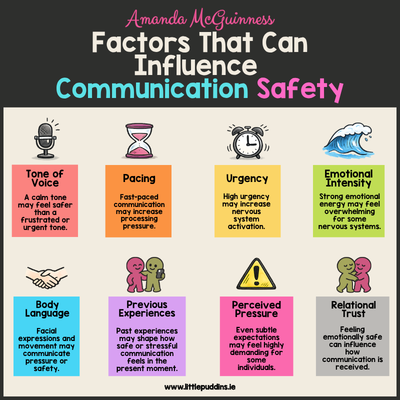
Support is usually intended to reduce pressure. Yet for some Autistic people with a PDA profile, the experience of receiving help may unintentionally introduce additional pressure instead.
Help is rarely experienced as a purely practical act. It can also communicate expectations, alter the balance of an interaction or change how much influence the individual feels they have over what happens next. Even when offered gently, support may bring increased attention, uncertainty, decision-making or changes in ownership of the task.
This does not mean help is inherently unhelpful. Rather, it highlights that support is experienced through the nervous system, not simply through the practical assistance being offered.
If pressure has already been building through sensory experiences, communication, transitions, uncertainty, physical fatigue or earlier demands on the nervous system, another interaction, even one intended to help, may become difficult to process. The offer of support is therefore experienced alongside everything that has already happened rather than as an isolated event.
Understanding this helps explain why support may feel manageable on one occasion but overwhelming on another. It also reminds us that the visible response is often shaped by a much broader context than the practical task itself.

When Support Changes Autonomy
One of the reasons help can sometimes feel difficult to accept is that it may unintentionally change a person's experience of autonomy.
Autonomy is often thought of as simply having choice. In reality, it is much broader than this. It reflects the experience of having influence over what happens, maintaining ownership of an activity and remaining an active participant in decisions that affect you.
Many everyday interactions involve subtle shifts in autonomy. A parent reaches in to complete a task, a teacher offers repeated suggestions, or a professional begins directing the next steps. These actions are usually motivated by kindness and a genuine desire to help. However, they may also unintentionally change who is leading the interaction.
For some Autistic people with a PDA profile, these shifts may increase pressure. The task may no longer feel like something they are doing, but something that is now being managed by somebody else. As ownership changes, so too can the individual's experience of agency, influencing whether participation continues to feel achievable.
This does not mean support should be avoided. Rather, it highlights the importance of considering how support is experienced. Assistance that preserves collaboration, respects ownership and allows the individual to remain meaningfully involved may feel very different from support that unintentionally takes over.
Relationships, Power and the Experience of Help
Support is never experienced in isolation. Every offer of help takes place within a relationship.
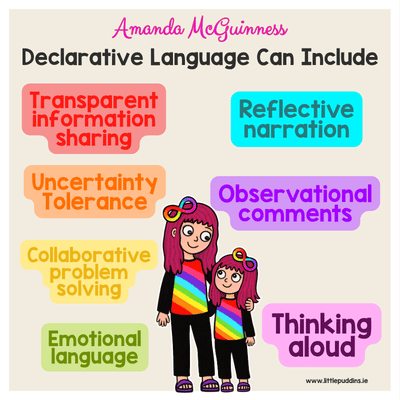
Relationships influence how safe, predictable and collaborative an interaction feels. Previous experiences, communication style, trust, familiarity and the balance of influence between two people all shape how support is received.
For some Autistic people with a PDA profile, interactions that feel highly directive or hierarchical may unintentionally increase pressure. This is not necessarily because another person holds authority, but because the interaction may reduce opportunities to influence what happens next.
Power dynamics are therefore about more than formal authority. They include the subtle ways decisions are shared, whose ideas guide the interaction, how much flexibility exists and whether the individual feels they remain an active participant rather than the passive recipient of support.
Two people may offer exactly the same practical assistance, yet the experience can feel entirely different depending on how the interaction unfolds. Support that feels collaborative, respectful and responsive is often experienced very differently from support that feels urgent, directive or controlling, even when both are offered with the same positive intentions.
Understanding these relational influences reminds us that help is not simply about what we do. It is also about how our actions are experienced by another person's nervous system.
Autonomy Interrupted
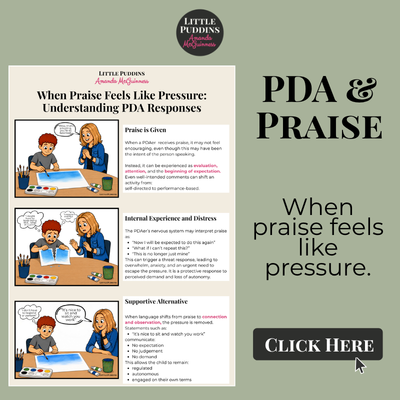
Direct advice can also feel particularly difficult because advice often carries an implied assumption that change is needed. Even gentle suggestions may unintentionally communicate that the individual’s current approach is inadequate or that somebody else knows better.
For a nervous system already highly alert to external influence, this can rapidly increase feelings of pressure and trigger defensive responses. The difficulty is not usually the practical content of the advice itself, but the emotional experience of having autonomy interrupted.
This is why interactions centred heavily around persuasion, correction, or problem-solving can sometimes escalate distress, even when they are well intended. The nervous system may interpret the interaction as a loss of agency rather than an offer of support.

The Nervous System Is Responding to More Than Help
When support is offered, the nervous system is processing much more than the practical task itself.
It is continually responding to sensory experiences, communication, uncertainty, previous interactions, physical wellbeing, accumulated pressure and the wider environment. These experiences interact with one another throughout the day, influencing how manageable each new situation feels.
If pressure has already been building, even a well-intentioned offer of help may arrive at a point where the nervous system has limited resources available to process another interaction. What appears to be rejecting support may instead reflect an attempt to reduce further pressure, preserve autonomy or restore a sense of regulation.
Understanding support in this way encourages us to move beyond asking why help was refused. Instead, it allows us to recognise that accepting support is itself a complex experience shaped by many interacting influences rather than one isolated decision.
This perspective also helps explain why support is rarely experienced consistently. The same individual may welcome assistance one day and struggle to tolerate it the next because the conditions surrounding the interaction have changed.
Understanding What Makes Help Feel Safer
Recognising why help can sometimes feel difficult also provides opportunities to think differently about how support is offered.
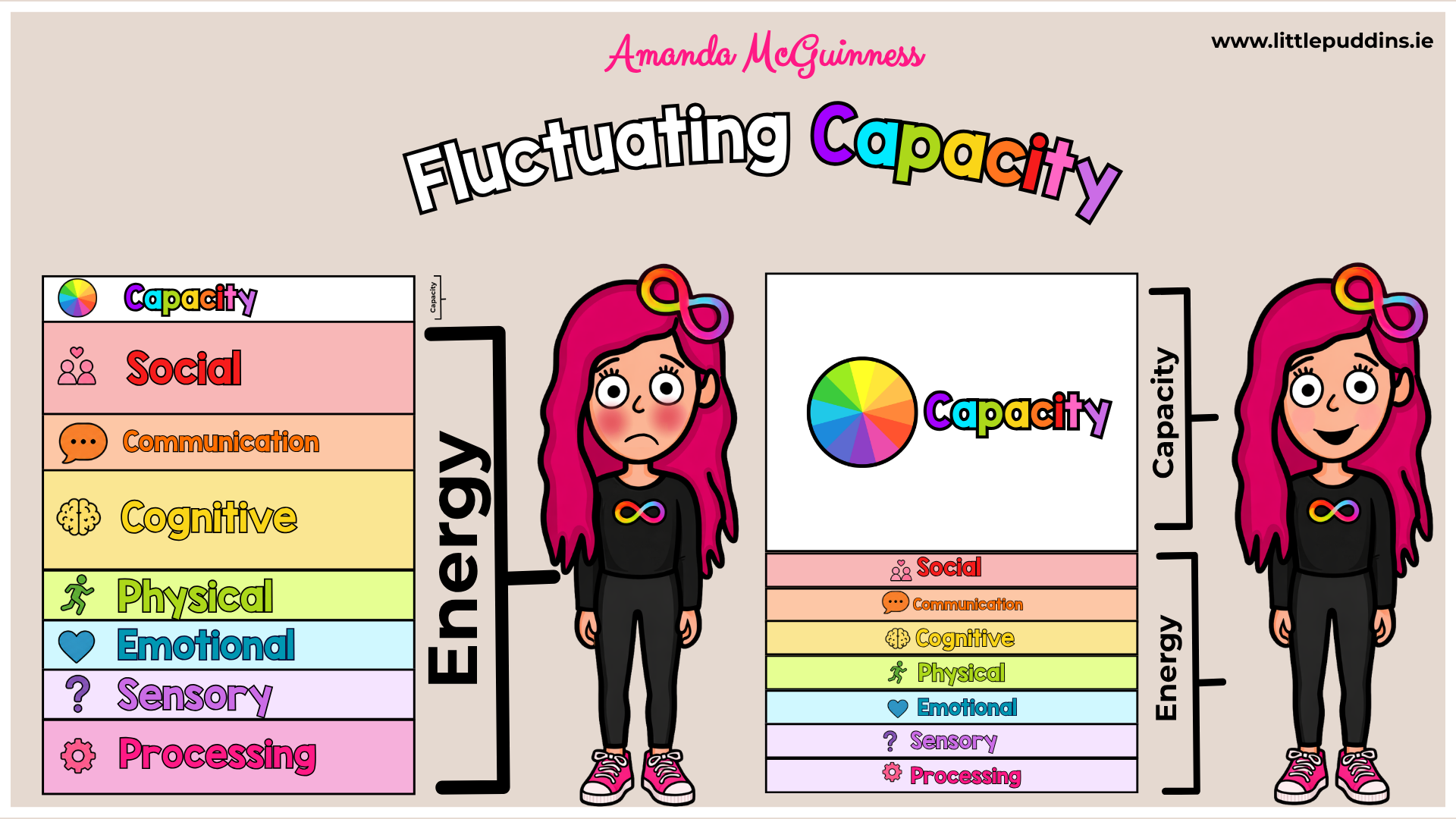
Rather than focusing solely on providing solutions, it can be helpful to consider the conditions that allow support to feel collaborative rather than intrusive. Small changes in how help is introduced may reduce unnecessary pressure while preserving autonomy and participation.
Support is often easier to receive when it:
Preserves ownership of the task rather than taking over.
Allows opportunities for genuine choice
Feels collaborative rather than directive.
Responds to the individual's current level of regulation.
Is offered without urgency or expectation.
Recognises that participation may fluctuate from one moment to the next.
Prioritises connection before problem-solving.
Respects that declining help in one moment does not necessarily mean support is never wanted.
Importantly, these are not techniques designed to encourage acceptance of help. Instead, they reflect ways of creating interactions that reduce unnecessary pressure while respecting autonomy and recognising the changing needs of the nervous system.
Everyday Examples
Understanding these concepts becomes easier when we consider how they may appear in everyday life.
Homework
A parent notices their child struggling with a piece of homework and immediately begins explaining how to complete it. Although intended to reduce frustration, the interaction may unintentionally increase pressure if ownership of the task shifts away from the child. Remaining alongside the child, allowing time to think and offering collaboration rather than immediate solutions may preserve greater autonomy while still providing support.
Technology
A device stops working and an adult reaches over to fix the problem. From the adult's perspective this is practical assistance. For the individual, however, the experience may involve losing ownership of the task before they have had an opportunity to work through it themselves. Waiting, observing and offering support when invited may sometimes feel more manageable than immediately taking over.
Everyday Tasks
When a child appears to be struggling to get dressed, tidy a bedroom or prepare for school, it is natural to step in. Yet these situations often occur after multiple other pressures have already accumulated. Before offering practical assistance, it may be helpful to consider how much pressure the nervous system has already experienced and whether preserving collaboration may feel more supportive than completing the task on the child's behalf.
Emotional Distress
When someone is overwhelmed, our instinct is often to provide reassurance, advice or solutions. However, there are times when emotional presence, patience and shared regulation may feel more helpful than immediately attempting to solve the problem. Creating space for regulation before introducing additional communication can reduce pressure and support more meaningful participation in the interaction.

Creating the Conditions Where Support Feels Helpful
Understanding why a PDA Autistic person may reject help is not about learning a new communication technique or finding the perfect way to offer support. It is about recognising that help is experienced within the context of the nervous system, relationships and the wider environment.
Support is rarely experienced as a purely practical act. It is shaped by accumulated pressure, opportunities for autonomy, communication, sensory experiences, previous interactions and the way the relationship feels in that particular moment. These interacting influences help explain why support that feels reassuring one day may feel overwhelming the next.
Viewing help through this broader lens encourages us to move beyond asking whether support was accepted or rejected. Instead, we begin considering how support was experienced and what conditions may have influenced that experience.
This shift in perspective allows us to move away from interpreting rejection as unwillingness or defiance and towards recognising that participation is continually influenced by the interaction between the individual, their nervous system and the world around them. Support that preserves autonomy, respects ownership, reduces unnecessary pressure and prioritises emotional safety is often more likely to feel collaborative and genuinely helpful.
As our understanding of PDA continues to evolve, so too does our understanding of support. Rather than focusing solely on how to encourage someone to accept help, we can begin thinking about how to create the conditions in which support feels safe enough to receive. In doing so, we move beyond solving immediate problems and towards building relationships that foster trust, regulation, autonomy and meaningful participation over time.
Frequently Asked Questions
Why do PDAers reject help?
For some Autistic people with a PDA profile, help can unintentionally increase pressure rather than reduce it. Factors such as accumulated stress, nervous system regulation, autonomy, communication, previous experiences and the wider environment all influence how support is experienced. What appears to be rejecting help may instead reflect an attempt to preserve regulation or maintain a sense of agency.
Why does my PDA child get upset when I try to help?
Support is not experienced in isolation. If pressure has already been building throughout the day, an additional interaction, even one intended to help, may feel overwhelming. This does not necessarily mean your child does not value your support. It may reflect that the timing, context or experience of receiving help has increased pressure in that moment.
Does this mean I should stop offering help?
No. Support remains an important part of caring relationships. The key consideration is not whether help is offered, but how it is experienced. Support that is collaborative, flexible and responsive to the individual's regulation and autonomy may feel more manageable than support that unintentionally takes over or increases pressure.
How can I make help feel more supportive?
There is no single approach that works for everyone. However, many Autistic people with a PDA profile find support easier to receive when it preserves autonomy, respects ownership, reduces unnecessary pressure and responds to their current level of regulation. Remaining curious, flexible and collaborative can help create interactions that feel emotionally safe while still providing meaningful support.
Continue Exploring PDA
Understanding pressure is one part of the wider picture.
You may also find these Little Puddins guides helpful:
What is PDA? Learn about the characteristics of a Persistent Drive for Autonomy and why it is understood differently from traditional behaviour-based models.
PDA Parenting Guide Explore practical, neuroaffirmative approaches to supporting everyday life at home.
Declarative Language Discover how communication styles can influence autonomy, regulation and connection.
PDA and School Understand how classroom environments, expectations and relationships shape participation.
Autistic Burnout and Regulation Learn how accumulated stress can affect capacity across home, school and community.
