

What is PDA?
Discover what PDA (Persistent Drive for Autonomy), previously known as Pathological Demand Avoidance, means through a neuroaffirmative lens. Explore regulation, autonomy, communication, current understanding and practical support for Autistic people.
Understanding Pressure in PDA
Understand pressure in PDA beyond demand avoidance. Learn how stress stacking, autonomy, power dynamics, regulation and context influence everyday participation.
Stop Solving PDA Behaviour
Many behaviours associated with PDA make more sense when viewed through the lens of autonomy, nervous system regulation and participation. Learn a neuroaffirmative approach to understanding and supporting PDA and Ross Greene's CPS model.

What is Strewing?
What is strewing? Learn how this unschooling concept supports Autistic children and PDA by reducing demands and supporting autonomy, regulation, and safe engagement. Amanda McGuinness conceptualises this information visually.
PDA Assessment in Autism: EDA-Q and EDA-8 Explained
Learn what a PDA questionnaire involves, including the EDA-Q and EDA-8 questionnaires. A neuroaffirmative guide to understanding pathological demand avoidance in Autism.

PDA Christmas Support
PDA Christmas Support Free Download Strategies for Families to Support Autistic chidren with a PDA profile this Christmas

Parenting A PDA Child
Explore parenting a PDA child through a low-demand, neuroaffirmative lens. Discover a thoughtful approach to autonomy, regulation, participation and connection in everyday family life.
Supporting Autistic PDA Students
Supporting an Autistic Student with a PDA (Pathological Demand Avoidance) profile requires a fundamentally different approach from conventional educational models. PDA is a complex, anxiety-driven profile where the individual’s threat response perceives demands, even those that seem minor or routine, as threats to autonomy and safety.

Autistic PDA Student Experiences
As an Autistic PDA individual my experience in school was shaped by a constant need to maintain control and autonomy. While other Autistic students often thrive in structured environments, PDA students can find structure and direct demands overwhelming and anxiety-inducing.
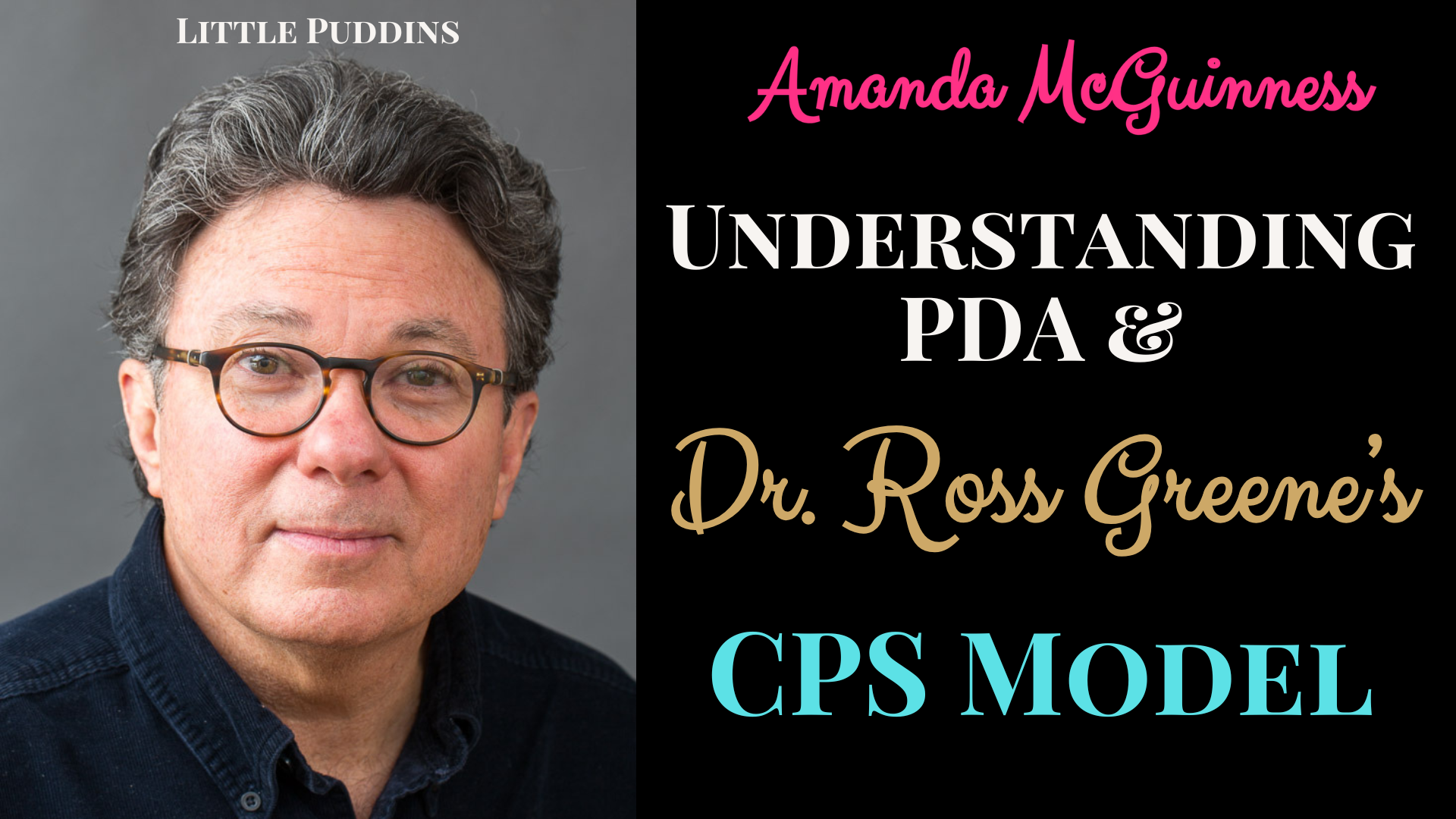
Understanding PDA and Ross Greene’s CPS Model
Dr. Ross Greene’s Collaborative & Proactive Solutions (CPS) model provides a trust-based, trauma-informed, and autonomy-respecting alternative that aligns with PDA-friendly approaches. His “children do well if they can” framework prioritises emotional safety, problem-solving, and collaboration, making it an essential strategy for parents, educators, and professionals supporting PDA children.
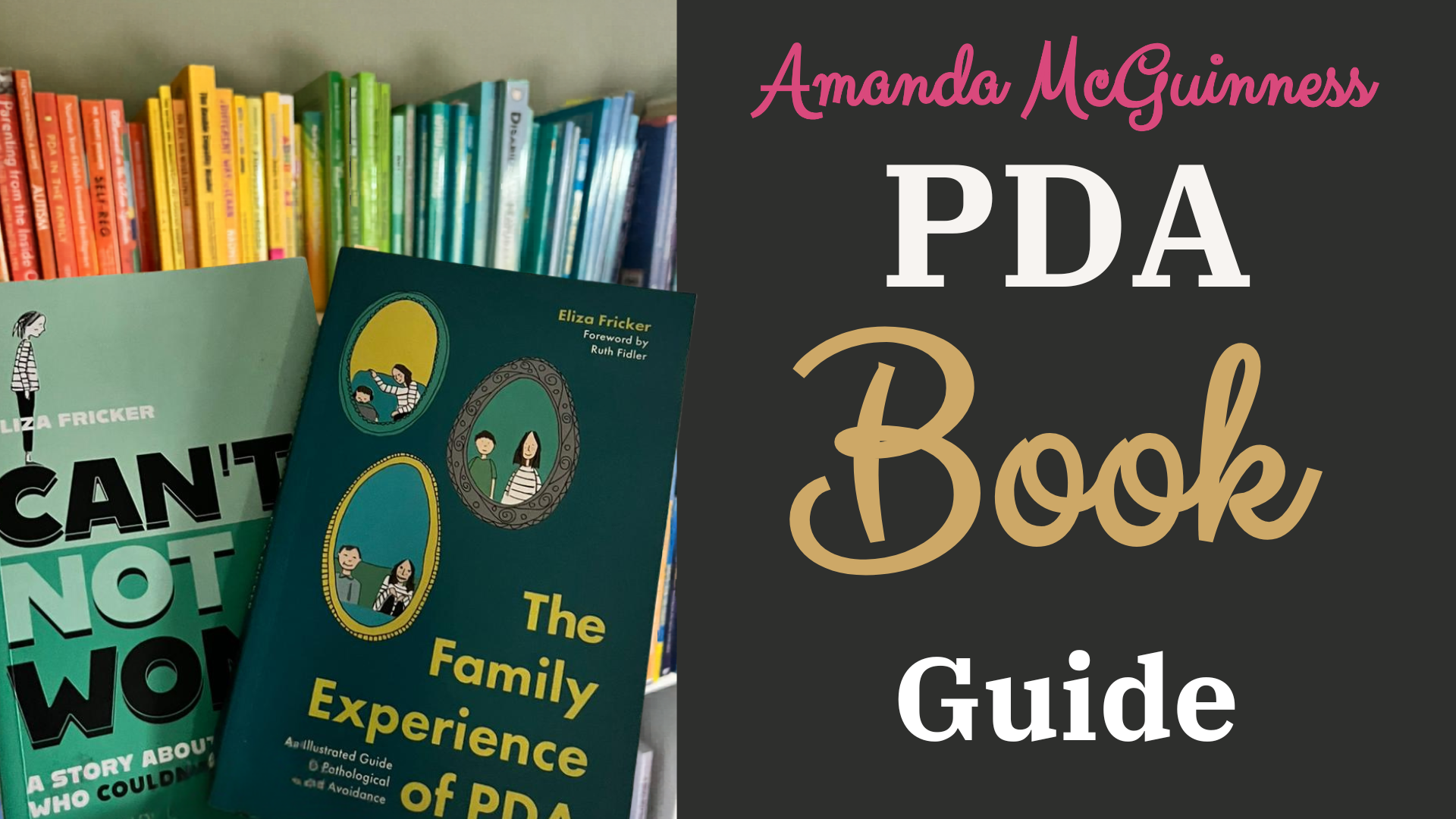
PDA Book Recommendation Guide
Pathological Demand Avoidance (PDA) is a profile of Autism characterised by an intense need for autonomy and a heightened sensitivity to demands, which can feel overwhelming or intrusive.PDA Book Recommendation Guide Free Download.
PDA Stress Response Strategies
As a PDA Autistic adult and parent to two PDA Autistic children, I understand the complexities of navigating a demand-filled world. This post will explore PDA stress-response support strategies, including how to recognise burnout, recovery, and regulation cycles, and practical ways to support autonomy while reducing distress.