
Autism Toilet Learning Supports
Neuroaffirmative Resources, Visual Supports, Professional Training & Expert Guidance
Supporting an Autistic child with toilet learning is about far more than teaching a new skill. Sensory processing, interoception, communication, executive functioning, anxiety, constipation, uncertainty and individual developmental differences can all influence the toileting journey.
Developed by Amanda McGuinness, Autism & PDA Specialist, Little Puddins' Autism Toileting Hub is Ireland's most comprehensive neuroaffirmative resource for Autism toilet learning. Whether you are a parent, educator, therapist or healthcare professional, you will find evidence-informed guidance, practical strategies, downloadable visual supports, social visual guides, webinars, podcasts and specialist training designed to support every stage of the toileting journey.
Little Puddins & Flourish Autism supports thousands of families and professionals each year through neuroaffirmative Autism resources, professional training, visual supports, children's books, webinars and podcasts. This Autism Toileting Hub brings together years of professional practice, lived experience and collaboration with leading experts to provide one trusted destination for Autism toilet learning.
Explore our specialist Autism Toileting resources
✓ Autism toilet learning guidance
✓ Constipation and bowel health
✓ Poo withholding support
✓ Interoception and body awareness
✓ Sensory-friendly toileting strategies
✓ Autism toileting visual supports
✓ School and Early Years resources
✓ Professional learning and training
Helping families, schools and professionals create safe, respectful and neuroaffirmative toileting experiences for Autistic children
Latest Autism Toileting Articles
We regularly publish new evidence-informed articles exploring Autism toilet learning, interoception, constipation, sensory processing, visual supports and neuroaffirmative approaches to supporting Autistic children. Browse our latest resources below or explore our complete Autism Toileting Resource Library.
Autism Poo Withholding
Learn the signs, causes, and support strategies for stool withholding in children. Discover why children hold their poo and how to support comfortable bowel movements.
Autism Toilet Learning Resource Guide
Explore a comprehensive neuroaffirmative Autism toilet training equipment guide created by Amanda McGuinness. Discover practical toileting products, sensory supports, adaptive bathroom equipment, visual schedules, hygiene supports, communication tools, interoception resources, and emotional regulation strategies designed to support Autistic and neurodivergent children throughout their toilet learning journey. Perfect for families, educators, therapists, and professionals seeking accessible, dignity-focused Autism toileting support.
Autism Toilet Learning Tips
Free Autism Toilet Training Information Document. Autism Toilet Training Advice - Where to start. Strategies, free resources and visual supports developed by Amanda McGuinness
Autism Toilet Learning Webinar
Autism Toilet Training Webinar Little Puddins with Amanda McGuinness - free information advice and support. Suitable for PDA Profiles
Free Autism Toilet Visual Schedule
Free Autism Toilet Visual Schedule set to support Autistic children and young people to learn to use the toilet. This is a dual set featuring a boy and a girl to support children to learn to use the toilet
Autism Toilet Learning Book Guide
Free Autism Toilet Training Book Recommendations Autism Toilet learning can be one of the most misunderstood aspects of Autistic childhood. Many families are given guidance grounded in neurotypical developmental timelines, where independence, speed, and compliance are emphasised.
Autism and Pooping In Pants
Autism Toilet Training Poo Accidents Some children may pass a wee in the toilet/potty with ease but may struggle to pass a poop in the toilet. They may instead prefer to pass their poop in a pull up or underwear. Free Autism Constipation Information Chart - Bristol Stool Chart.
Autism and Constipation
Autism Constipation is a common and often distressing health concern for many Autistic children and adults. Changes in routine, sensory processing differences, diet, and challenges in interoception (internal body awareness) can all contribute to difficulties with bowel regulation.
Constipation and Autism
Autism Constipation Understanding why Autistic children may be more likely (4 times more likely) to experience constipation is important. Some of the reasons Autistic children may experience constipation include:
Autism Interoception Books
Autism Interoception Books You will find my top three recommended books on interoception, offering practical insights and strategies to deepen your understanding of this critical area.
Fear Of Entering The Bathroom
Autistic Toilet Training is different. Fear of using the toilet. Your child is Neurodivergent and as such, their journey to toileting independence may be different to that of children who are Neurotypical.
What Is Interoception?
Autism what is interoception? Autism toileting and interoception differences. Traditionally Autistic experience of interoception differences have been ignored largely by the professional community. Now the community understand the pivotal role of interoception in supporting Autistic people to learn to use the toilet..
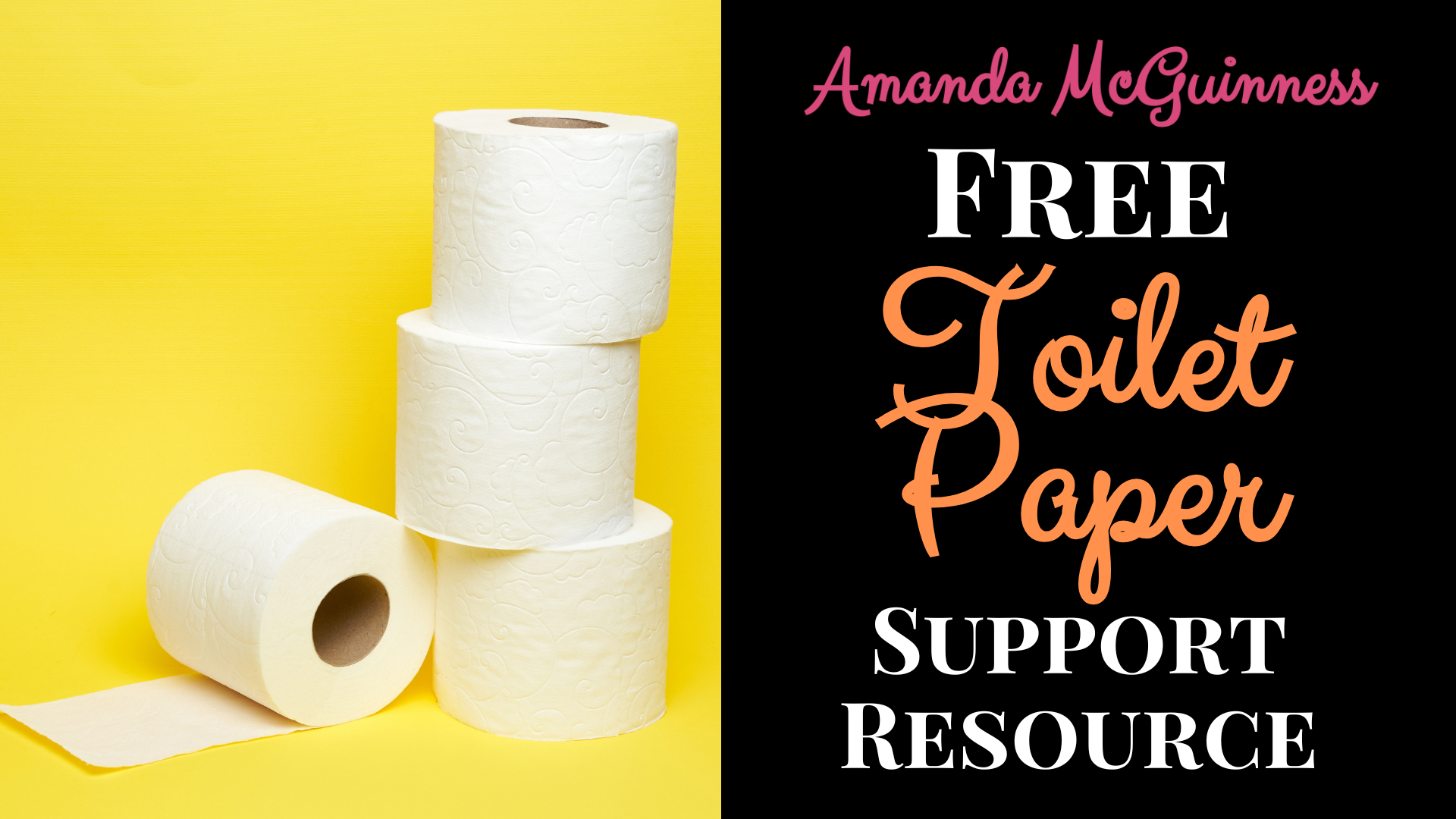
Teaching Toilet Paper Usage
Autism Toilet Training Teaching children the appropriate amount of toilet paper to use is a common challenge during toilet training, especially for Autistic children who may have differences with their sensory processing, social and sequential understanding. Free Toilet Paper Visual Support.
Autism Toilet Learning Concepts
A neuroaffirmative toilet learning process respects the child’s pace, needs, and autonomy. Preparing ahead, sometimes called pre-teaching, offers a supportive way to reduce uncertainty, build predictability, and increase your child’s confidence. I
Autism Toilet Learning Videos
-
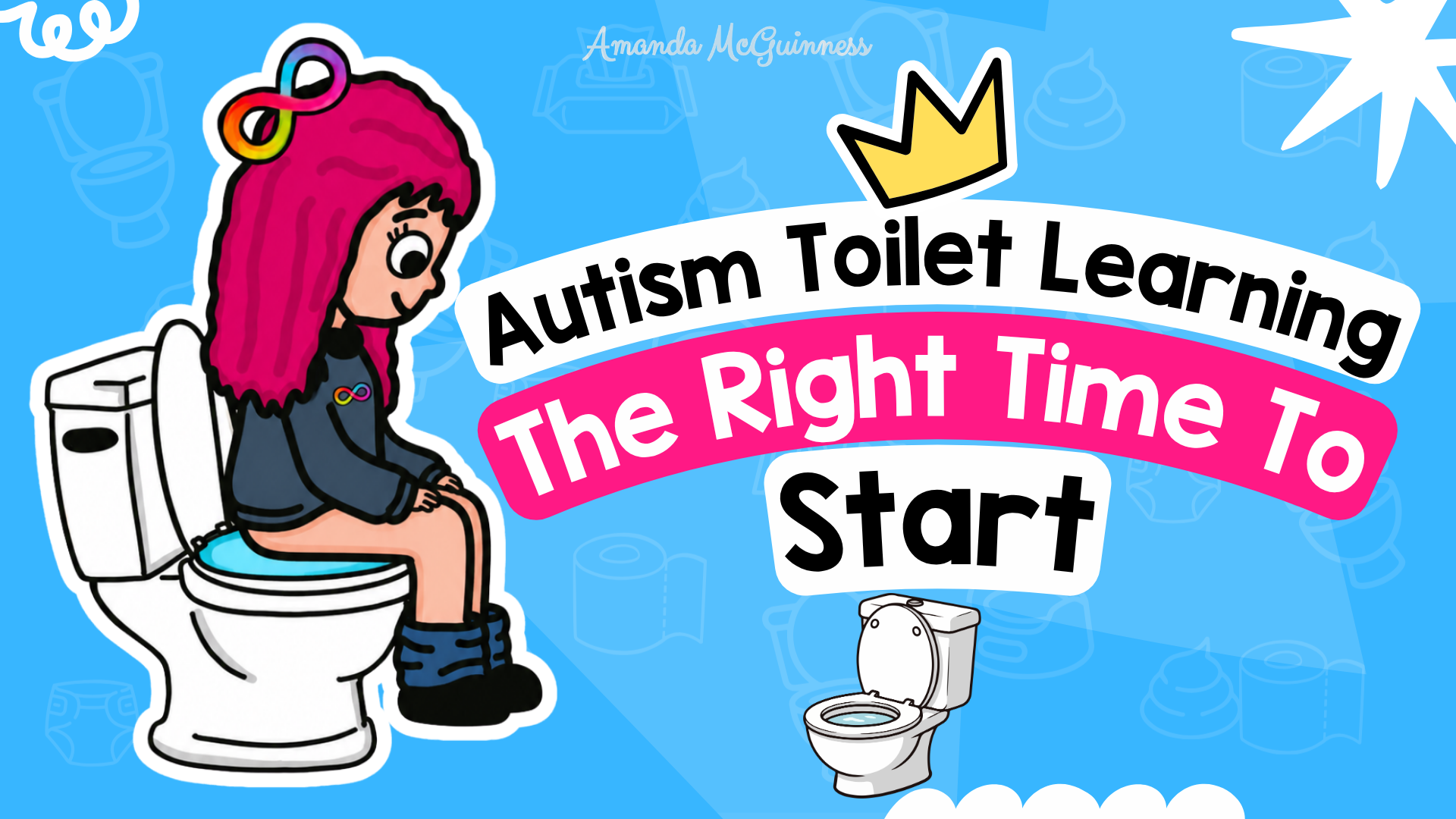
When To Start Autism Toileting Learning
Knowing when to start toilet learning is about more than age. This video explores how body awareness, communication, sensory needs, bowel health and individual readiness can help guide when and how to begin.
-
Teaching How To Wipe
Learning to wipe involves body awareness, reaching, balance, coordination, sensory processing and motor planning. This video explores practical, neuroaffirmative ways to help Autistic children develop the skills needed for wiping with greater confidence and independence.
-
Fear Of Entering The Bathroom
It all begins with an idea. Maybe you want to launch a business. Maybe you want to turn a hobby into something more. Or maybe you have a creative project to share with the world. Whatever it is, the way you tell your story online can make all the difference.
-
Autism Poo Smearing
Poo smearing in Autistic children can have many underlying causes. This video explores how bowel health, sensory experiences, interoception, communication and discomfort may contribute, and how understanding what is happening can guide compassionate support.
-
Autism Poo Withholding
Poo withholding can be connected to constipation, pain, fear, sensory experiences and interoception. This video explores why Autistic children may hold their poo and how understanding what is happening in the body can guide supportive next steps.
-
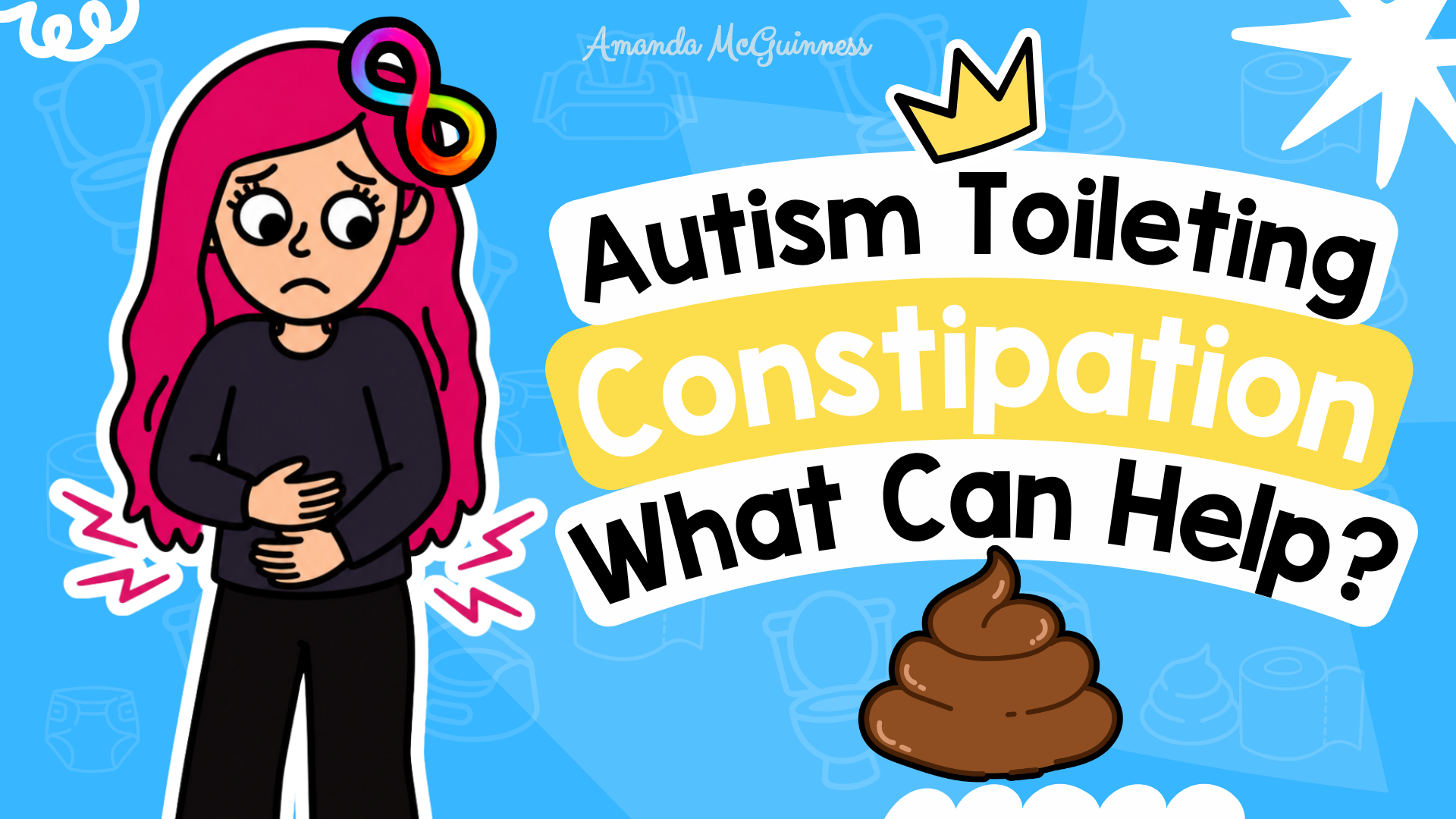
Autism Constipation Advice
Constipation can significantly affect comfort, body awareness and toilet learning for Autistic children. This video explores common signs of constipation, how it can contribute to withholding and toileting difficulties, and why supporting bowel health is so important.