
PDA Parenting with Danielle Jata-Hall
What Every Parent and Professional Needs to Know with Danielle Jata-Hall
If you've ever found yourself wondering why traditional parenting approaches seem to make life harder rather than easier for your Autistic child, you are certainly not alone. For many families raising a child with a Persistent Drive for Autonomy (PDA) profile, everyday life can feel like navigating systems that often misunderstand both the child and the people who know them best.
Recently, I had the privilege of welcoming Danielle Jata-Hall to The Unfiltered Autistic Podcast. Danielle is the founder of PDA Parenting and joined me to share both her professional knowledge and lived experience as the parent of three children with a PDA profile. During our conversation, Danielle also spoke openly about discovering that she is Autistic and ADHD herself, with a PDA profile identified during her assessment. Together, we explored the realities of parenting, school distress, parent blame and what neuroaffirmative support looks like for children with a PDA profile.
When families first begin exploring Persistent Drive for Autonomy (PDA), finding accurate, neuroaffirmative information can be challenging. Although awareness of PDA has grown significantly over recent years, many parents and professionals continue to encounter inconsistent information, outdated assumptions and limited understanding of how best to support Autistic children with a PDA profile.
Our conversation began by exploring Danielle's own journey. She described how her understanding of PDA developed while seeking answers for her eldest daughter, who was repeatedly misunderstood within education. After discovering information about PDA that closely reflected her daughter's experiences, Danielle found that professionals dismissed the profile, telling her that it did not exist or was not recognised. Rather than discouraging her, this experience motivated her to begin writing about PDA, initially sharing her family's experiences before developing what has become one of the most widely recognised online resources for PDA families.
PDA and Parent Blame
One of the strongest themes throughout our discussion was parent blame. Danielle described the significant challenges many families experience when professionals misunderstand PDA. She spoke about assumptions being made regarding parenting, her understanding of her own children and the additional scrutiny she experienced as a neurodivergent parent. Danielle also discussed research she completed with fellow author Alice Running, surveying more than one thousand parents about experiences of parent blame. The response was so substantial that the survey had to be closed within thirty-six hours due to the volume of information submitted. The findings demonstrated that many families raising neurodivergent children experience judgement and blame rather than collaborative support.
Importantly, Danielle emphasised practical strategies for parents navigating these systems. She encouraged families to:
maintain written records
document meetings
communicate factually wherever possible
seek support from trusted advocates.
Her advice reminds us as parent to ensure we are able to accurately document our child's experiences and advocate effectively when misunderstanding occurs.
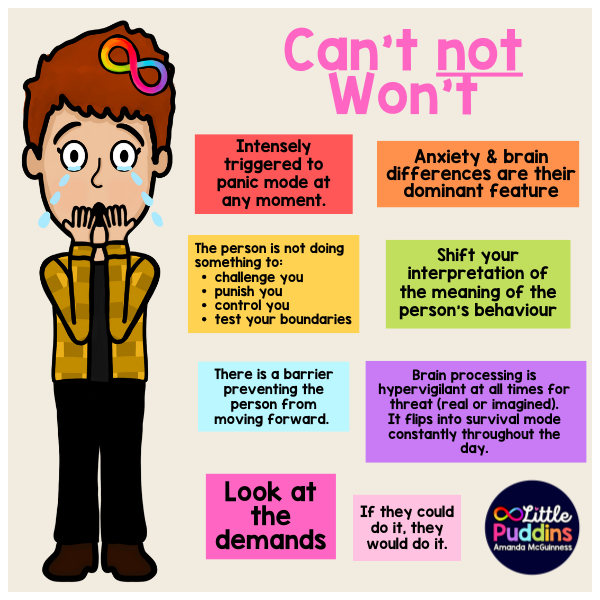
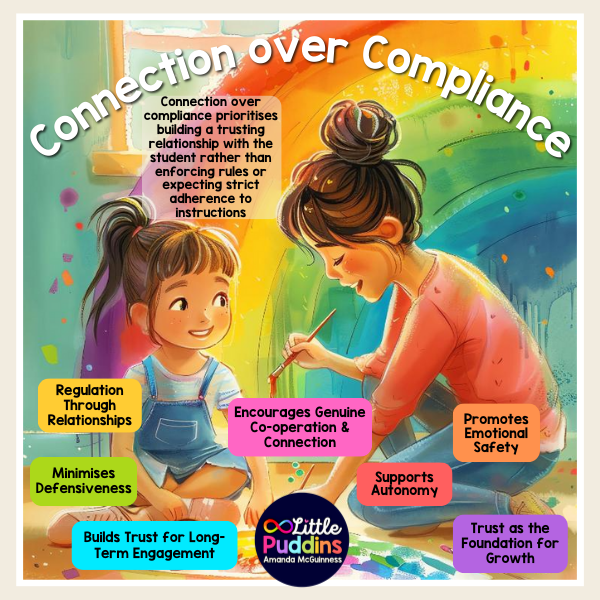
Throughout the conversation, Danielle repeatedly encouraged listeners to move beyond behaviour-based explanations of PDA. Rather than viewing children as defiant, oppositional or deliberately refusing demands, she suggested that many behaviours represent attempts to regain a sense of safety and autonomy. This shift in perspective moves the focus away from compliance and towards understanding the child's nervous system, relationships and individual capacity.
Felt Safety
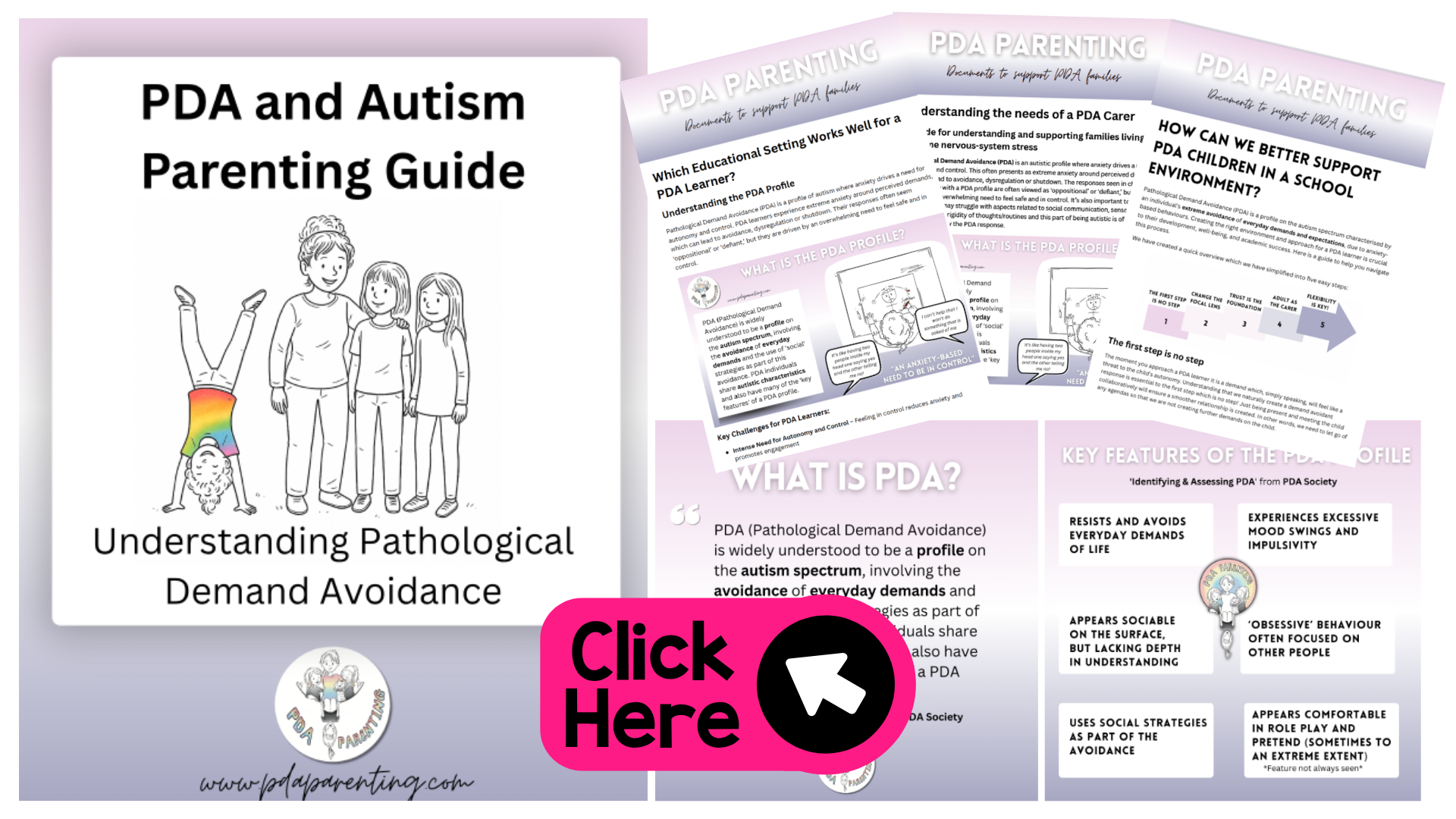
Central to this discussion was the concept of felt safety. Danielle described how many children with a PDA profile experience heightened nervous system activation and may perceive even well-intentioned interactions as threatening if they increase pressure or reduce autonomy. She explained that supporting felt safety often involves slowing interactions, adapting communication, building trusting relationships and recognising that children are more likely to engage when they feel genuinely understood rather than controlled.
Another important message from Danielle was that progress is rarely linear. Capacity fluctuates from day to day, and expectations should reflect this reality. Rather than expecting children to perform consistently regardless of context, Danielle encouraged parents and professionals to recognise changing capacity and celebrate progress whenever it occurs, even if that progress looks different from one day to the next.
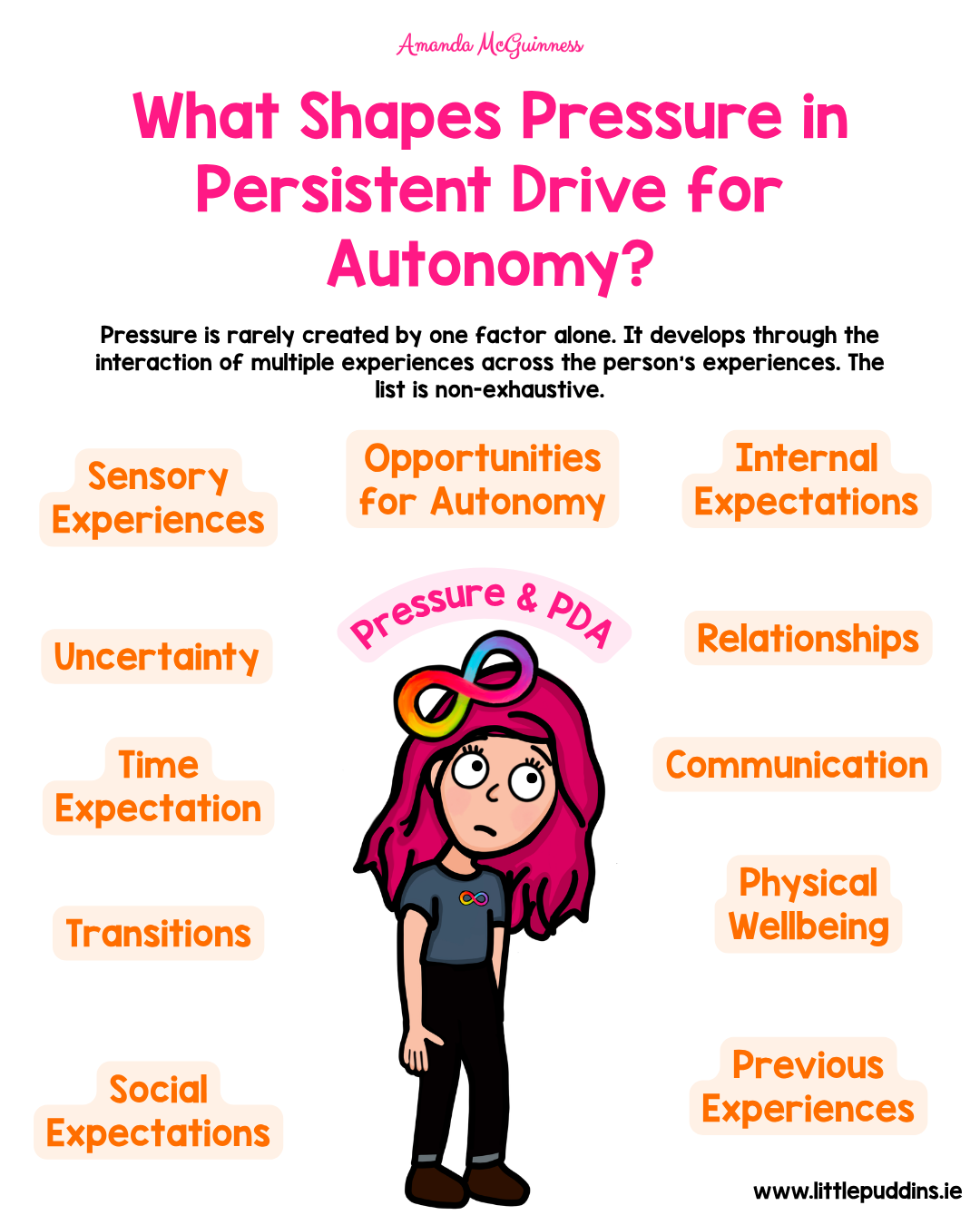
School attendance formed another significant part of our discussion. Danielle explained that many children with a PDA profile experience increasing pressure long before attendance breaks down completely. By the time a child is unable to attend school, significant distress or Autistic burnout may already be present. Rather than focusing exclusively on attendance, she encouraged schools to work collaboratively with families to identify sources of pressure and make meaningful adjustments that reduce demands before crisis develops. These adjustments may include flexibility around routines, sensory accommodations, relationship-based support and recognising that success will look different for different children.
PDA Reset Days
During the podcast, I shared one example from my own family. One of my PDA sons benefits from planned "reset days", developed collaboratively with his school. These days provide opportunities to reduce nervous system overload while maintaining a connection with learning. Danielle described this type of collaborative partnership between families and schools as an example of the proactive approaches that can often prevent burnout and support longer-term participation in education.

The School Is Lava
One part of our discussion that particularly resonated with me was Danielle's forthcoming children's book, The School Is Lava. The story follows a young girl called Liv, whose experience of school becomes increasingly overwhelming. Rather than asking why Liv cannot simply attend school, the book encourages adults to consider what her experiences are communicating and how environments can be adapted to better support her.
This conversation also provided an opportunity to reflect on how understanding of school distress has developed over time. During the podcast, I shared that I left school for almost two years while in fourth year of secondary school. At the time, I had not yet been identified as Autistic, ADHD or as having a PDA profile. Looking back, my experience illustrates how many Autistic young people historically experienced significant school distress and burnout long before these concepts became widely recognised within education or healthcare. Danielle's discussion of Liv's story highlights the importance of understanding the reasons underlying school distress rather than viewing attendance difficulties simply as behavioural issues.
PDA Parenting
For me personally, this conversation also represented something of a full circle moment professionally. During the early years of learning about PDA within my own family, Danielle’s website PDA Parenting became one of my most trusted sources of information. Danielle's articles, downloadable resources and practical guidance helped me develop a deeper understanding of PDA at a time when comparatively little information was available. It was a privilege to have the opportunity to discuss these topics with Danielle and to explore how understanding of PDA continues to evolve within education, healthcare and family support.
Danielle's work continues to make an important contribution to PDA understanding and acceptance conversations, encouraging professionals and families alike to replace judgement with curiosity, collaboration and understanding.
If you are beginning your own journey into understanding PDA, or if you support Autistic children and young people in education, healthcare or family settings, I would highly recommend listening to this episode of The Unfiltered Autistic Podcast. Danielle's insights provide practical guidance while reminding us that every child deserves to be understood before they are expected to adapt to a world that may not yet fully understand them.

Follow for Insights:Instagram @littlepuddins.ie
