
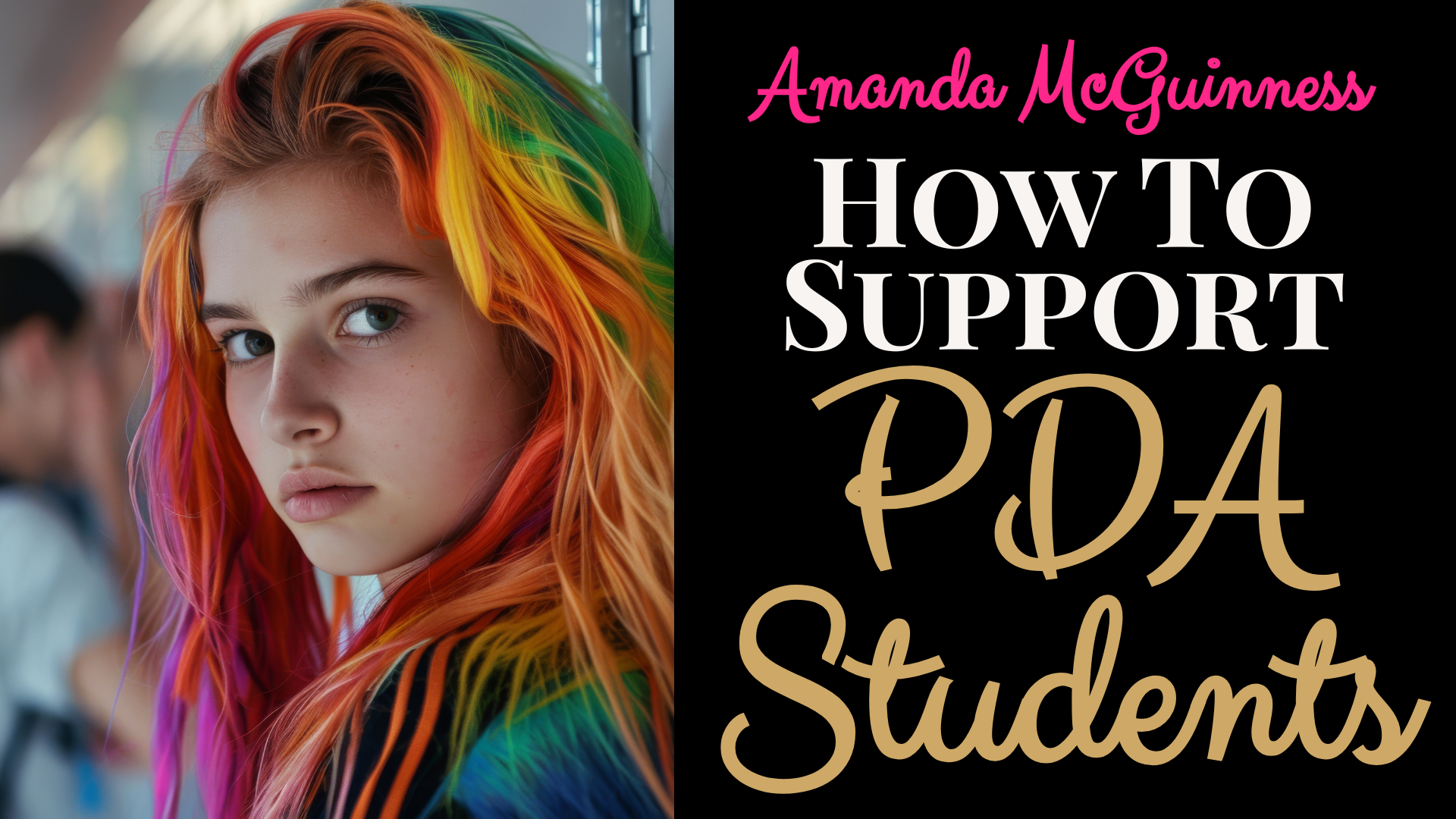
Supporting Autistic PDA Students
Supporting an Autistic Student with a PDA (Pathological Demand Avoidance) profile requires a fundamentally different approach from conventional educational models. PDA is a complex, anxiety-driven profile where the individual’s threat response perceives demands, even those that seem minor or routine, as threats to autonomy and safety.

Autistic PDA Student Experiences
As an Autistic PDA individual my experience in school was shaped by a constant need to maintain control and autonomy. While other Autistic students often thrive in structured environments, PDA students can find structure and direct demands overwhelming and anxiety-inducing.
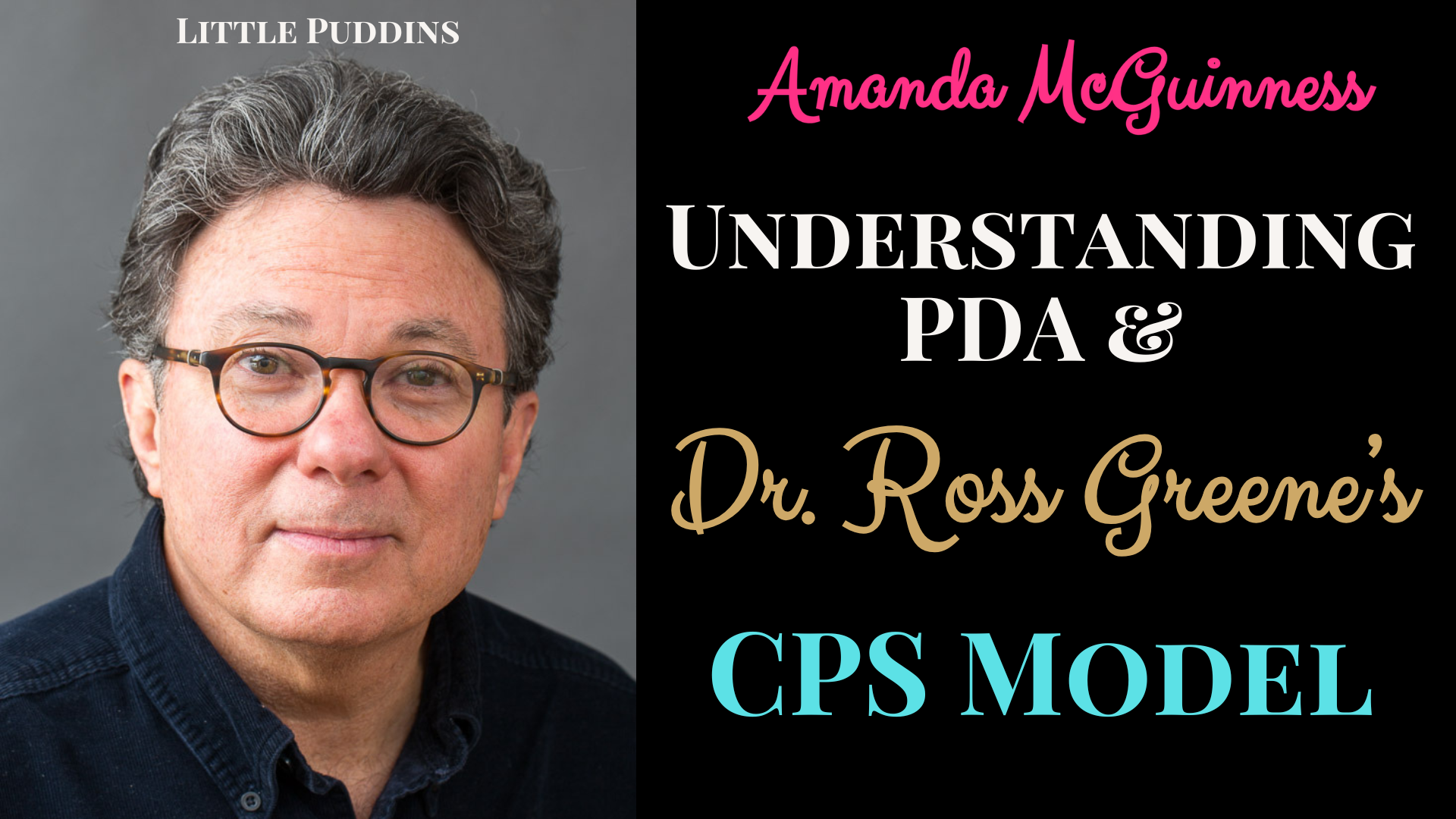
Understanding PDA and Ross Greene’s CPS Model
Dr. Ross Greene’s Collaborative & Proactive Solutions (CPS) model provides a trust-based, trauma-informed, and autonomy-respecting alternative that aligns with PDA-friendly approaches. His “children do well if they can” framework prioritises emotional safety, problem-solving, and collaboration, making it an essential strategy for parents, educators, and professionals supporting PDA children.
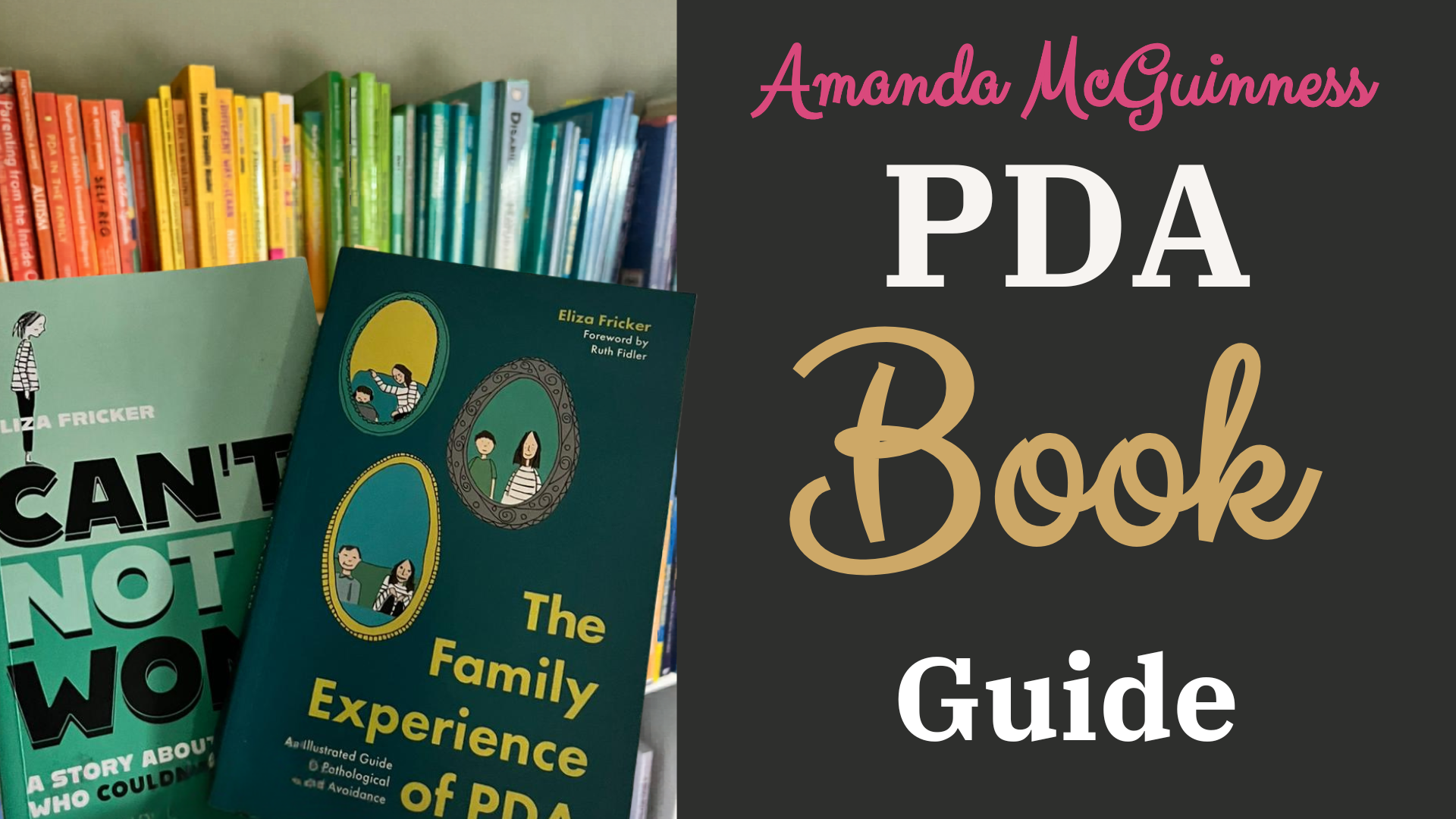
PDA Book Recommendation Guide
Pathological Demand Avoidance (PDA) is a profile of Autism characterised by an intense need for autonomy and a heightened sensitivity to demands, which can feel overwhelming or intrusive.PDA Book Recommendation Guide Free Download.
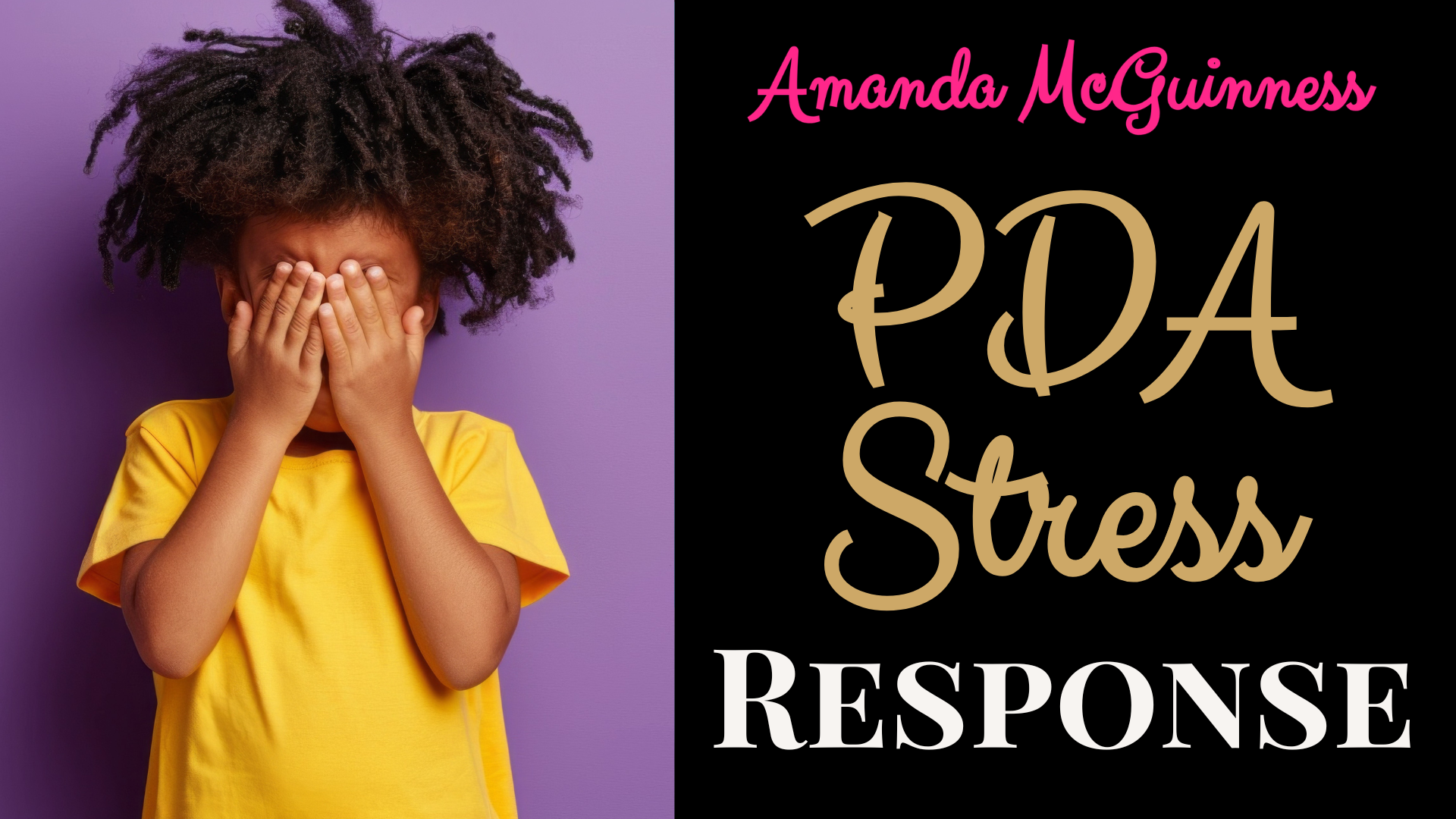
PDA Stress Response Strategies
As a PDA Autistic adult and parent to two PDA Autistic children, I understand the complexities of navigating a demand-filled world. This post will explore PDA stress-response support strategies, including how to recognise burnout, recovery, and regulation cycles, and practical ways to support autonomy while reducing distress.
Pathological Demand Avoidance
Pathological Demand Avoidance, or persistent drive for autonomy, refers to an intense, automatic nervous system response to both direct and indirect demands. This is not a conscious choice but rather a form of self-protection. For individuals with PDA, demands, whether external requests or internal expectations, can feel overwhelming, triggering the fight, flight, freeze, or fawn response.

Why PDAers Reject Help
Explore why help, external feedback, advice, and praise can feel overwhelming for PDA individuals. A neuroaffirmative look at autonomy, nervous system responses, emotional safety, and communication within Pathological Demand Avoidance.