
PDA Resources & Supports
Practical, neuroaffirmative tools to support PDA regulation, autonomy, and everyday life
Supporting an Autistic child with a persistent drive for autonomy often requires access to the right tools, resources, and supports that align with a neuroaffirmative understanding of PDA. This page brings together carefully selected resources designed to reduce pressure, support regulation, and strengthen connection in everyday life.
Rather than focusing on compliance or behaviour change, these supports centre the child’s nervous system, autonomy, and need for safety. Resources include visual supports, downloadable guides, recommended books, and practical tools that can be used at home, in school, and across daily routines.
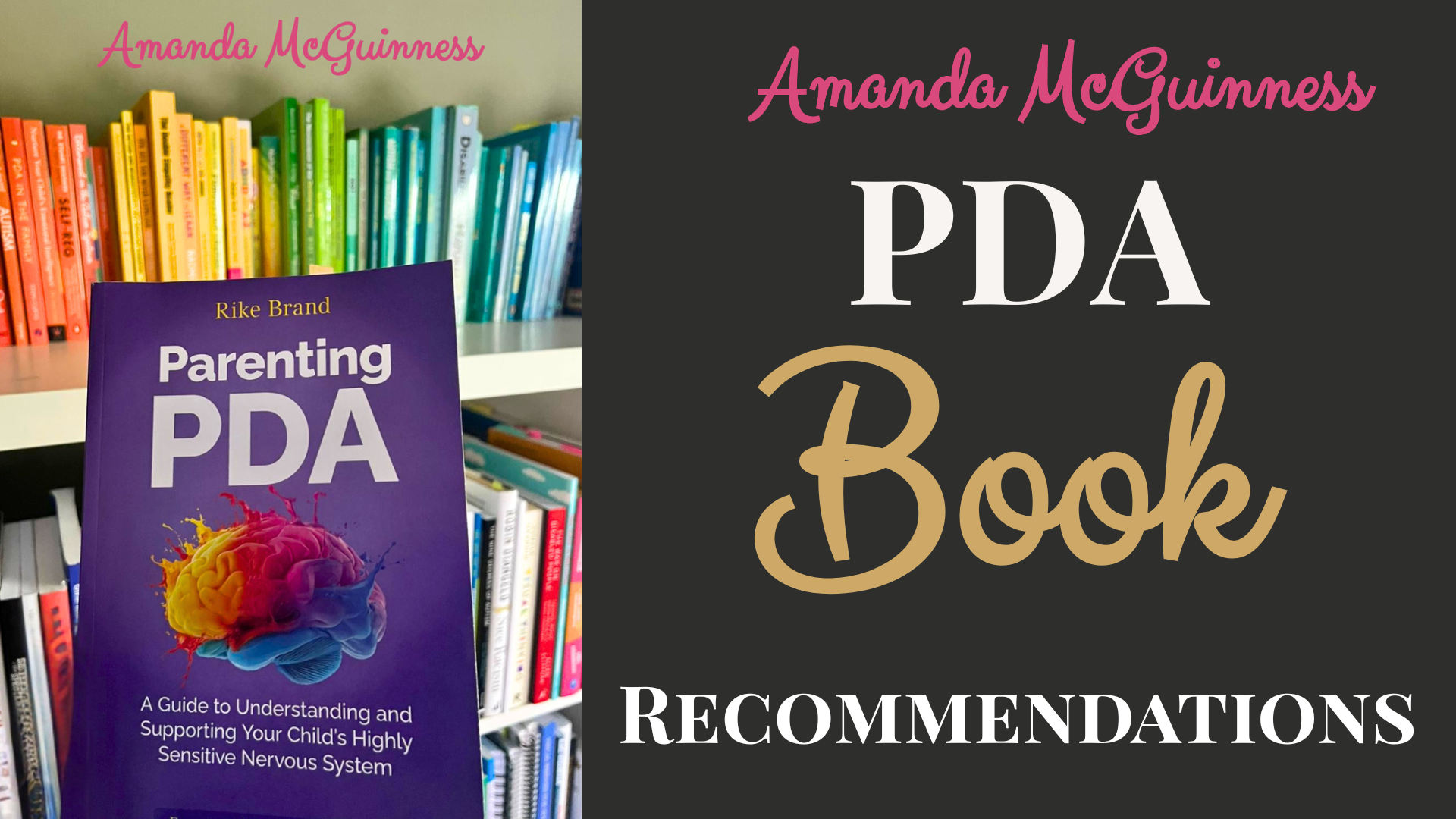
PDA Book Recommendations 2026
Discover the best PDA book recommendations for Autism, including Amanda Diekman, Kelly Mahler, Linda K. Murphy, Eliza Fricker, Rike Brand, and Sally Cat. Learn practical, neuroaffirmative approaches to demand avoidance, regulation, and connection.
EDA-Q and EDA-8 Explained
The EDA-Q (Extreme Demand Avoidance Questionnaire) and the EDA-8 are tools that are often referenced when discussing demand avoidance, yet there can be confusion around what they are, how they are used, and whether they provide a diagnosis.
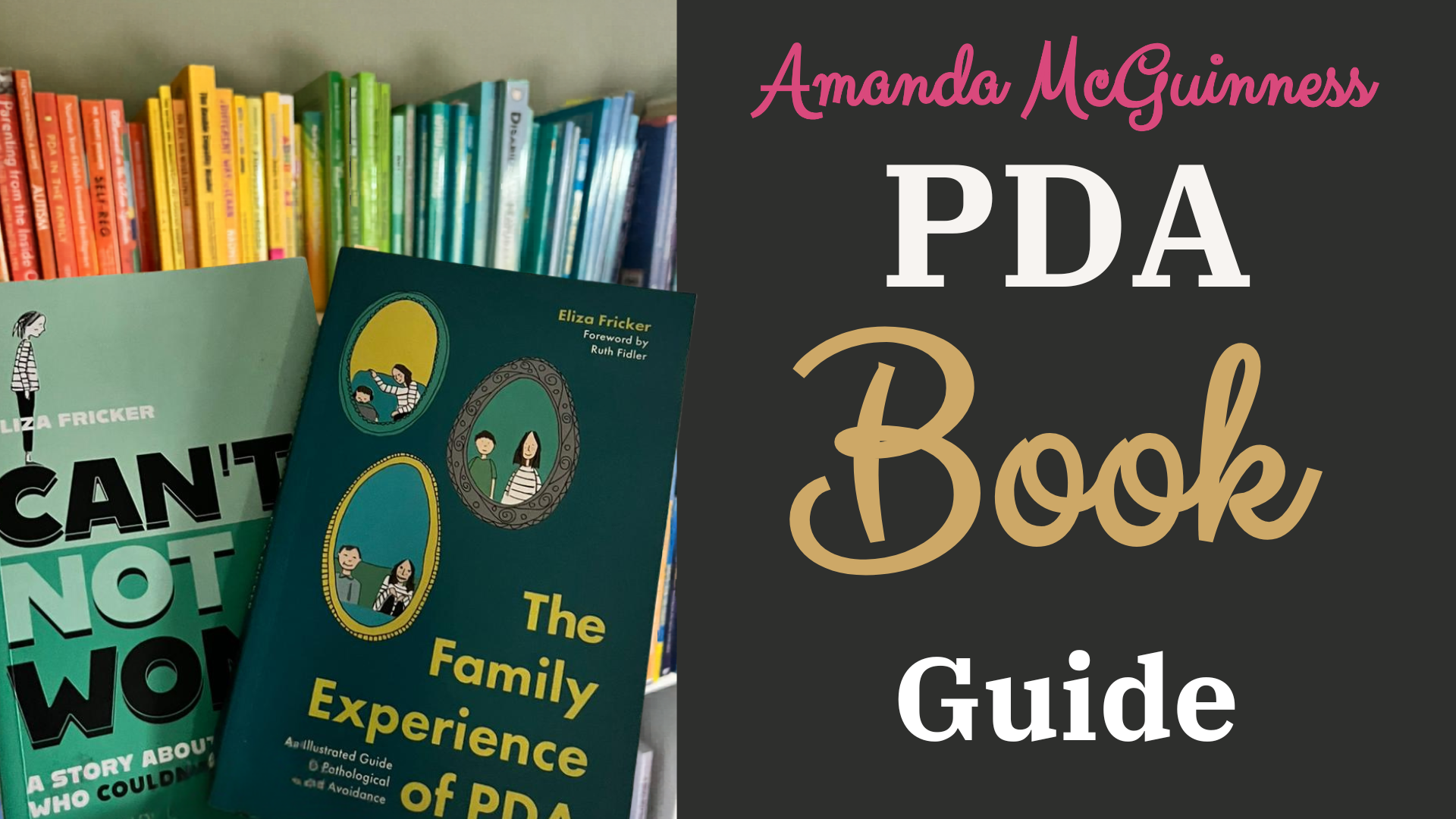
PDA Book Recommendation Guide
A curated, neuroaffirmative PDA - Pathological Demand Avoidance / Persistent Drive for Autonomy Book Recommendation Guide developed by Amanda McGuinness, Autism & PDA Specialist
PDA & Strewing Information Guide
Learn about the different types of strewing that you can incorporate into your daily life as a parent or professional supporting a PDAer. Download the FREE PDA & Strewing Guide developed by Amanda McGuinness
PDA Christmas Information Guide
My understanding of PDA and Christmas is shaped by lived experience, parenting experience and professional practice. These perspectives come together to inform how I interpret the pressures that emerge at this time of year and the approaches that tend to support safety and connection.
